
Last updated October 17, 2026
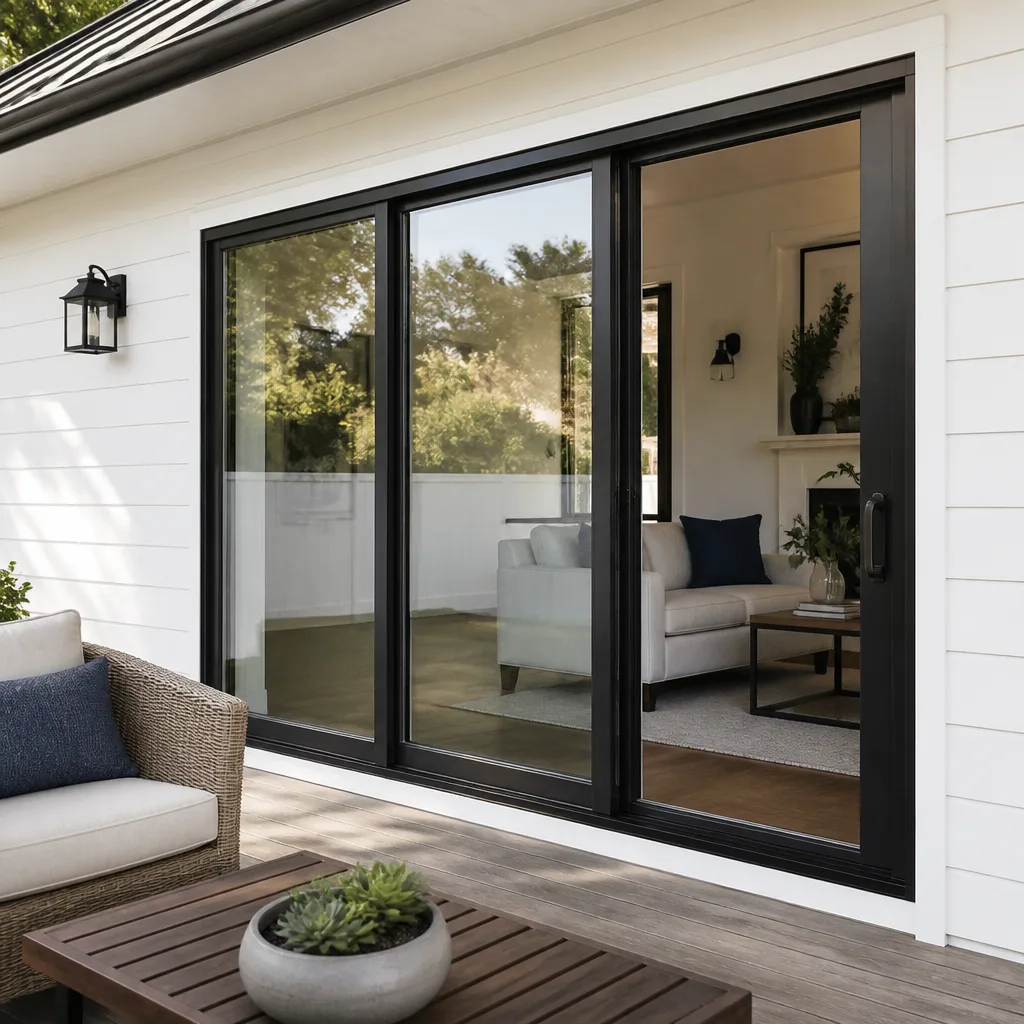 Sliding glass doors
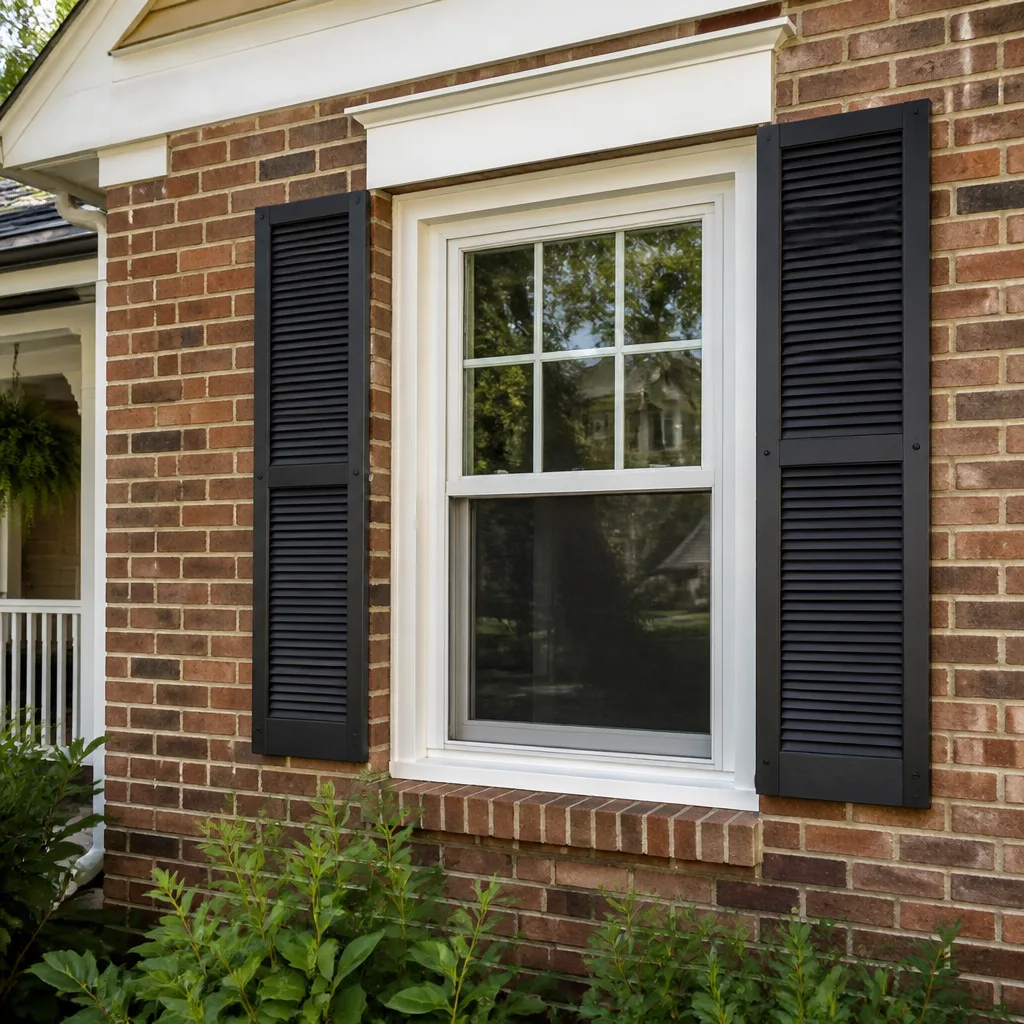 Single hung
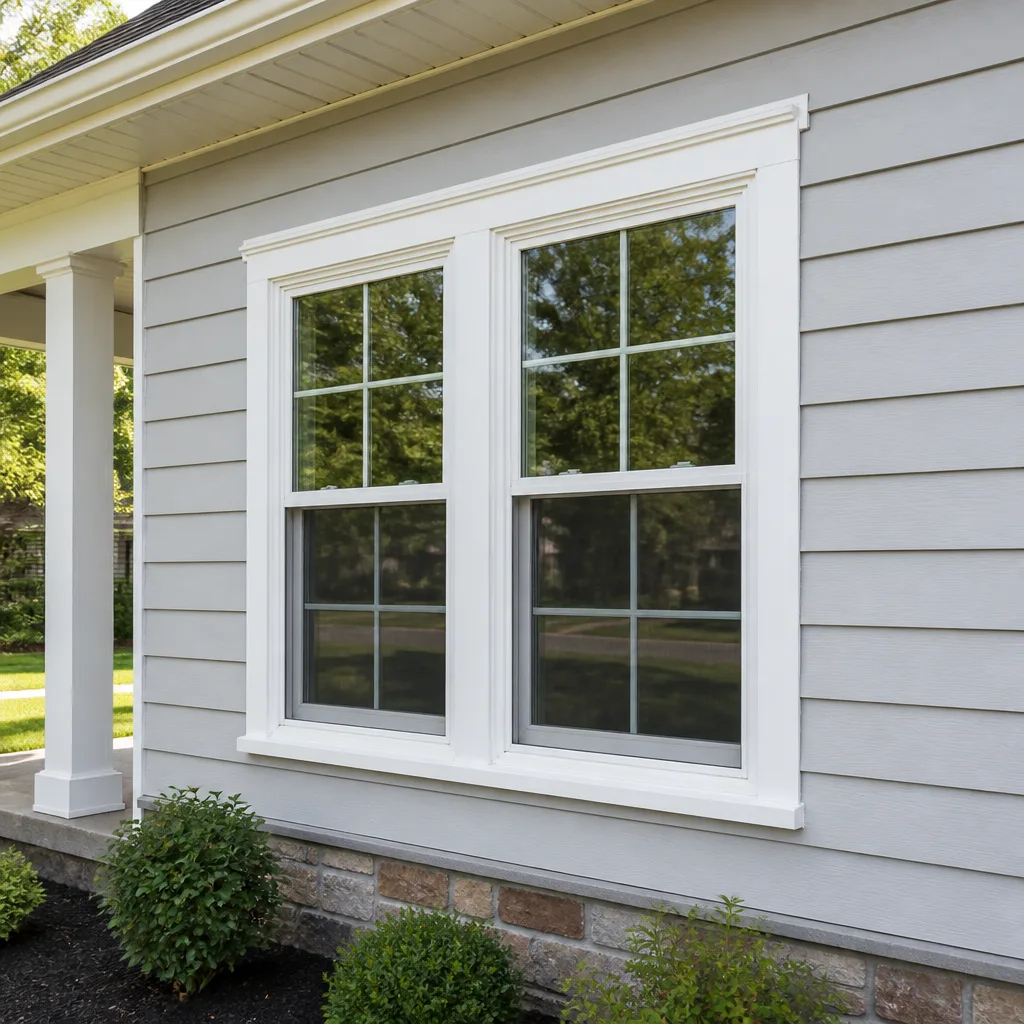 Double hung
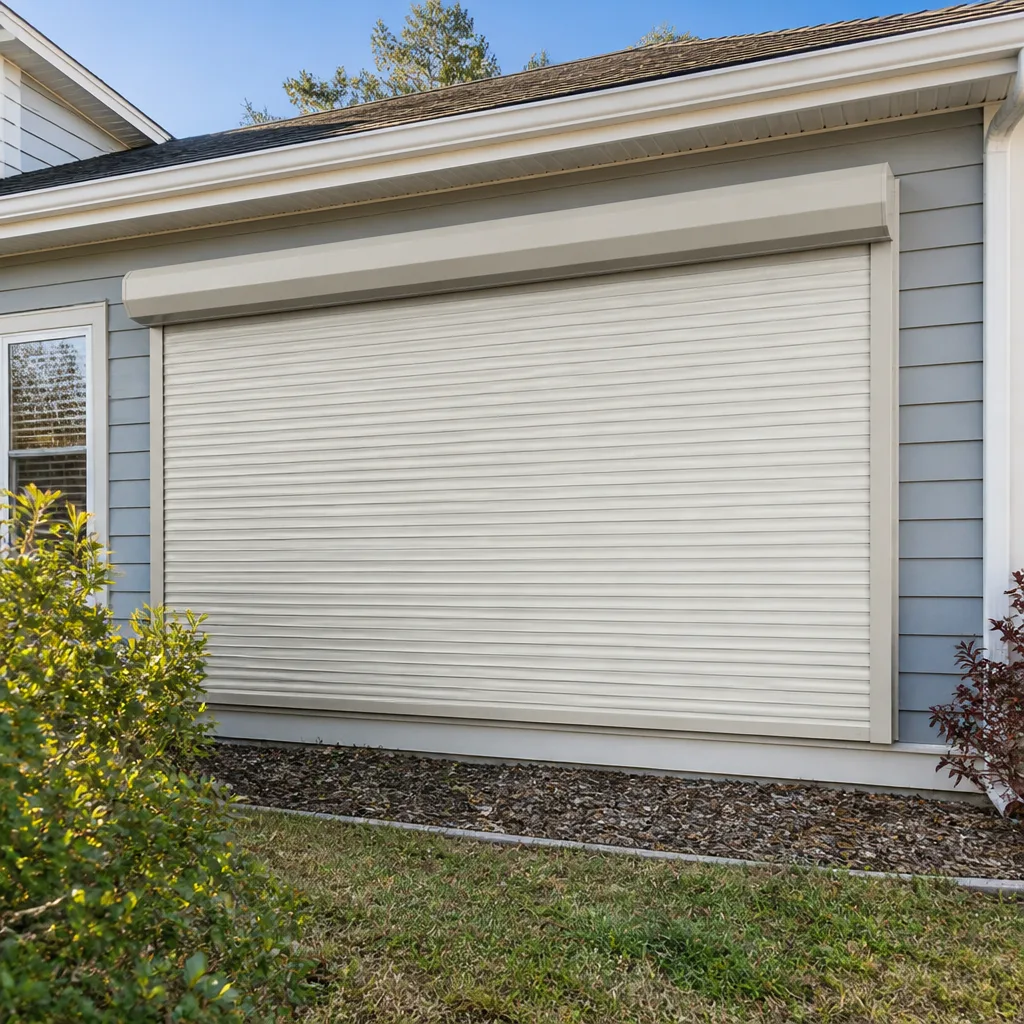 Horizontal roller
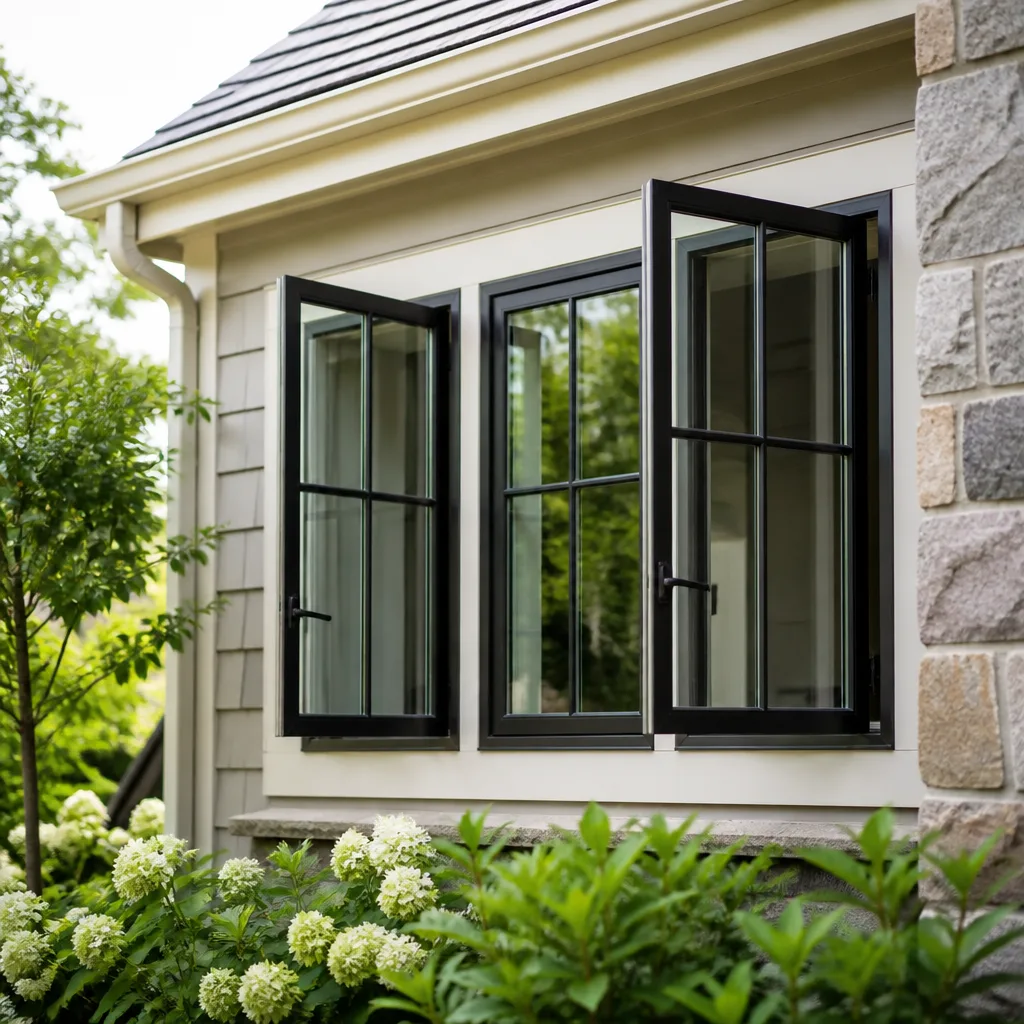 Casement
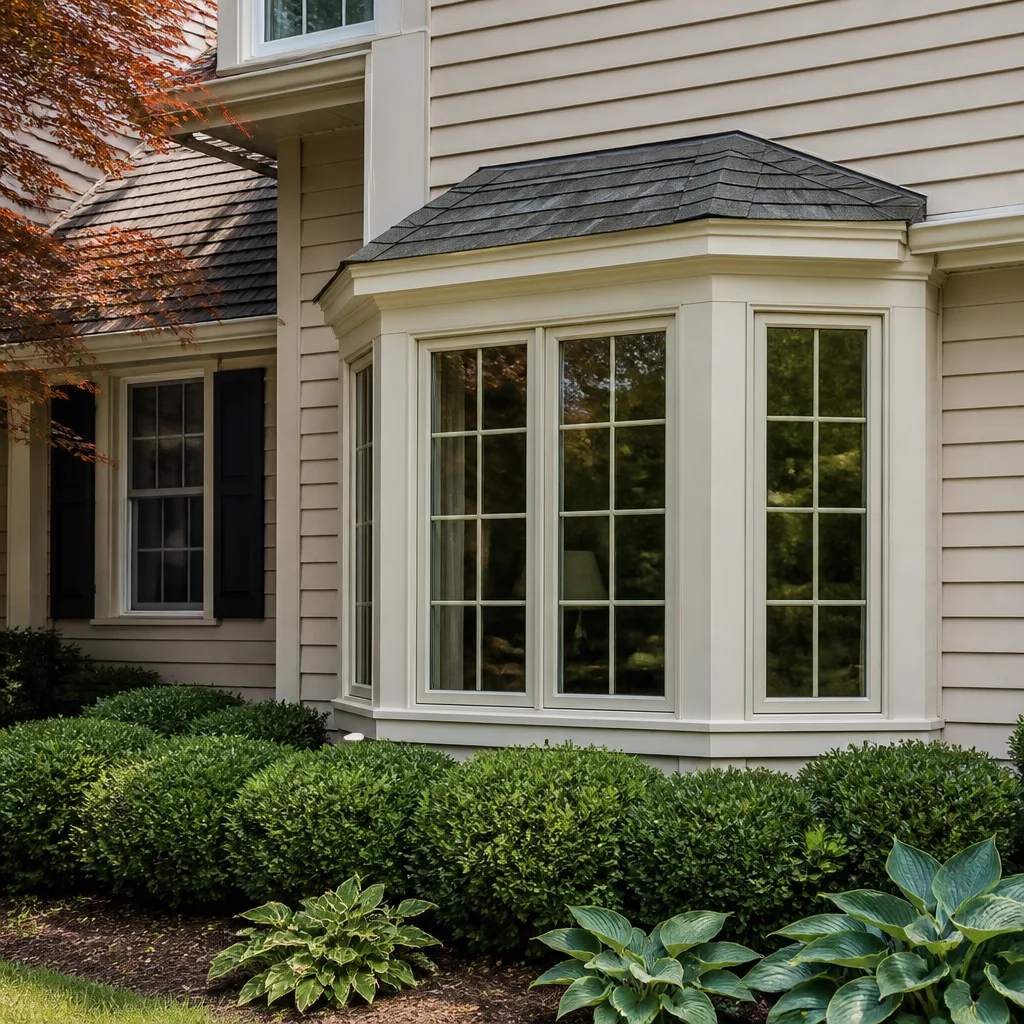 Bay & bow
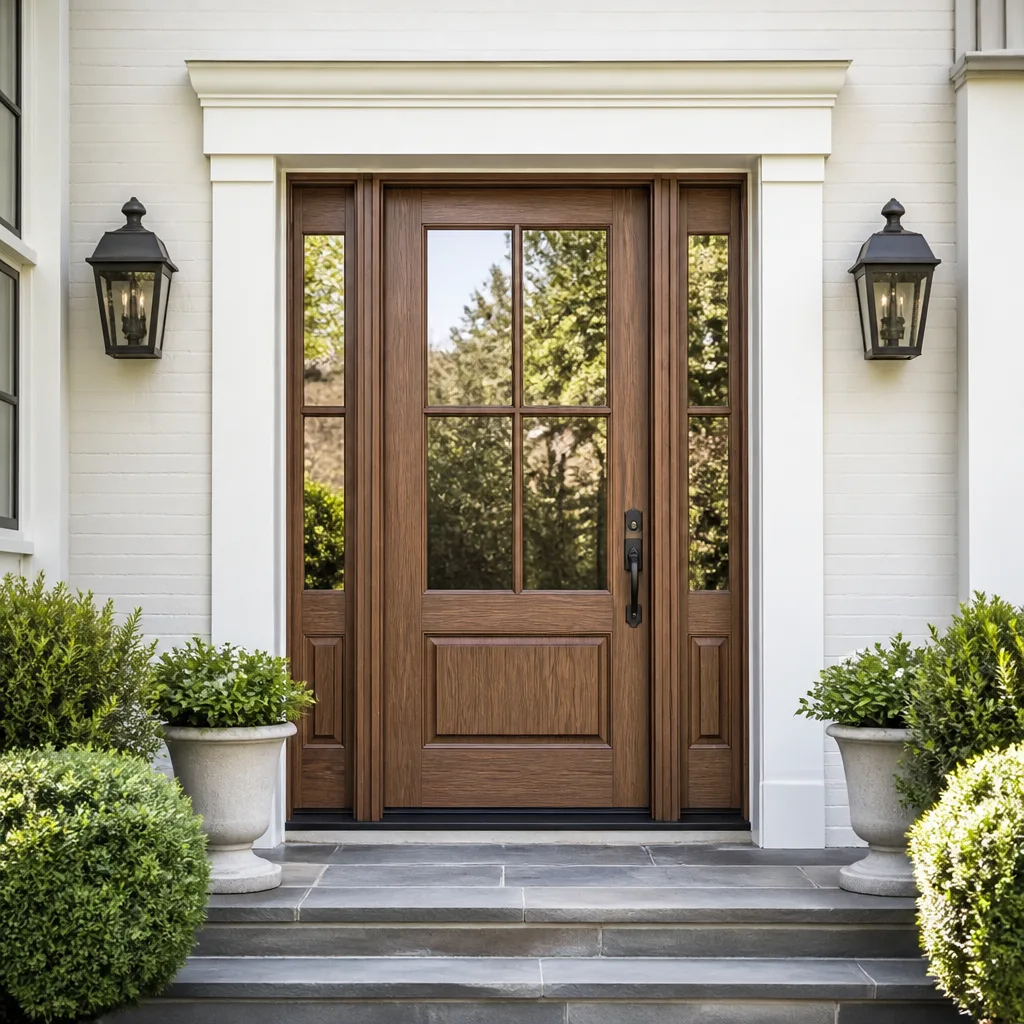 Entry doors
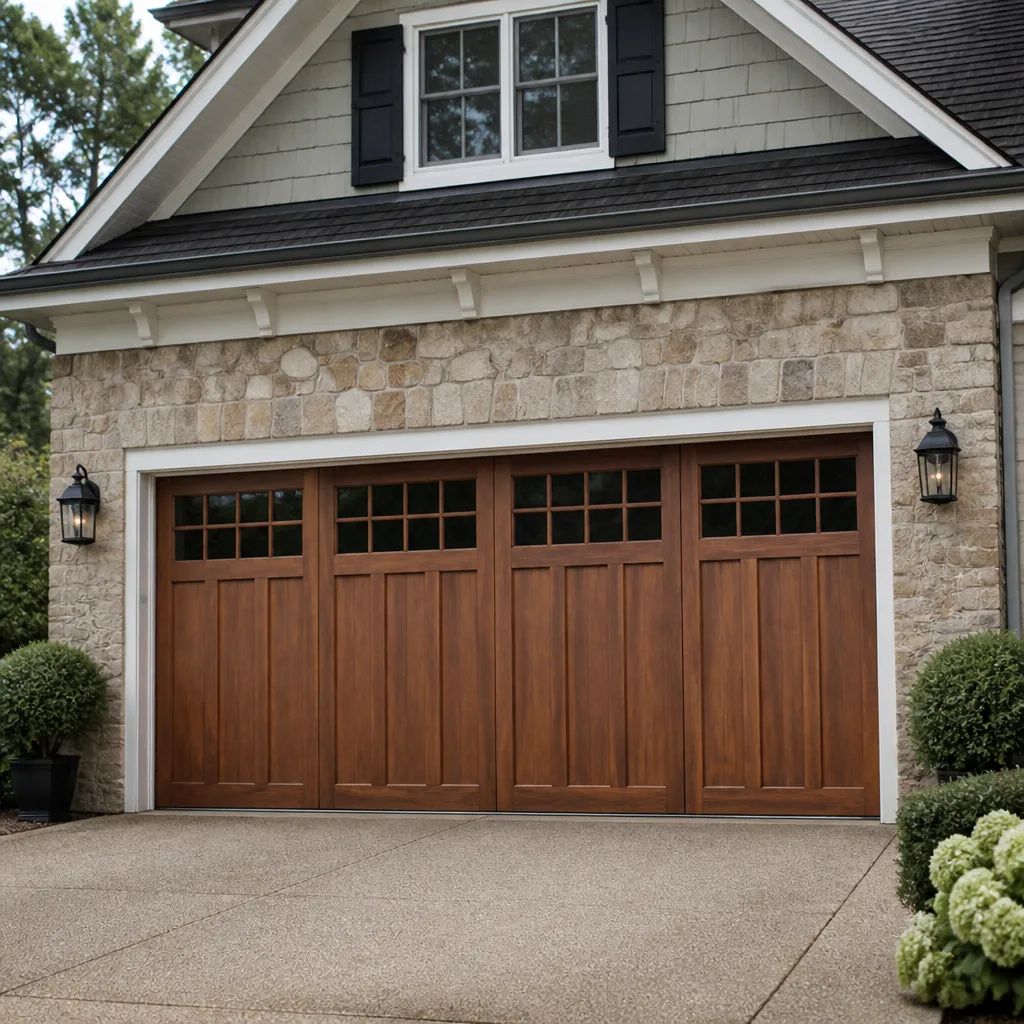 Impact garage doors
 PGT
PGT CGI
CGIFree in-home measure and quote - PGT, CGI and CWS impact lines compared on your actual openings, style by style
Get your free estimateHow to Hire a Windows & Doors Contractor in Santa Clarita: A Step-by-Step Guide
After every major fire season, Santa Clarita sees an influx of unlicensed window crews offering cash discounts to homeowners still sweeping ash off their sills. The work looks fine for about eight months. Then the stucco cracks around the frame, the window won’t close square, and the contractor’s phone number doesn’t ring anymore. This guide walks you through the entire hiring process in Santa Clarita, step by step, so you know what to ask, what documents to request, and which red flags send a contractor packing before they ever touch your house. For more guides & resources, see our blog.
Quick Answer
To hire a windows and doors contractor in Santa Clarita, verify the contractor’s California license through the CSLB for the correct classification (B, C-17, or C-61/D28), request a written itemized quote plus proof of insurance and workers’ comp before signing anything, confirm the contractor will pull the permit before work begins, and ask seven specific questions about stucco, trim, and haul-away during the estimate. A reliable contractor puts every price in writing, pulls permits properly through Santa Clarita or Los Angeles County, and leaves the house as clean as they found it.
Styles & brands we work with
Table of Contents
- Step 1: Verify the License Before You Let Anyone Measure
- Step 2: Know Which License Classification Actually Matters
- Step 3: Request the Four Documents Every Legitimate Contractor Provides
- Step 4: Understand Why Permits Matter in Santa Clarita and LA County
- Step 5: Ask the Seven Questions That Separate Local Pros From Traveling Crews
- Step 6: Review the Written Scope of Work Line by Line
- Step 7: Red Flags That Should End the Conversation Immediately
Step 1: Verify the License Before You Let Anyone Measure
The first conversation with any window or door contractor in Santa Clarita should not be about price. It should be about the license number. A legitimate contractor gives you their California contractor license number without hesitation. If they deflect, say it’s “in the truck,” or tell you a license isn’t needed for window replacement, you’ve just saved yourself a very expensive conversation. In California, any job where labor and materials exceed $500 requires a state contractor license. Window replacement and door installation almost always cross that threshold.
Verification through the California Contractors State License Board, known as the CSLB, takes under three minutes. Visit the CSLB website, enter the license number, and confirm three things: the license is active, the name on the license matches the person or company you’re talking to, and the classifications listed cover window and door work. An active license tells you the contractor has passed a trade exam, carries a $25,000 license bond, and maintains the minimum required liability insurance. When a crew shows up without a license, none of those protections exist. In our experience, homeowners who skip this step are often the ones calling us later with a half-installed window frame and a deposit that disappeared.
We carry our license on every estimate. You should be able to check it on your phone while we’re standing at your door. That’s how verification works when there’s nothing to hide.
Step 2: Know Which License Classification Actually Matters
A California contractor license is not a single credential. It’s a classification system, and the wrong classification means the contractor is not legally permitted to do the work you’re hiring them for. For window and door work in Santa Clarita, three classifications apply: B (General Building Contractor), C-17 (Glazing Contractor), and C-61/D28 (Door and Window Finishing).
A B license allows a contractor to frame, patch stucco, install flashing, and complete the structural work surrounding a window or door. A C-17 license covers glazing: installing glass into frames, replacing insulated glass units, and sealing the glazing system. The C-61/D28 classification covers finish work on doors and windows, including hardware installation and exterior trim. A contractor installing a full replacement window with a new frame often holds the B license. A contractor replacing only the glass inside an existing frame often holds the C-17. A door specialist doing hardware and weatherstripping may hold the C-61/D28.
When you verify the license on the CSLB website, read the classifications carefully. If a contractor holds only a C-17 license and you’re replacing entire windows with new frames and stucco patching, they may not be licensed for that scope. Ask directly: “What’s your license classification, and can you tell me how it covers the work I need?” A contractor who knows their classifications is a contractor who understands the regulations they work under. A blank stare is your cue to call someone else.
Step 3: Request the Four Documents Every Legitimate Contractor Provides
Before any work begins in Santa Clarita, request four documents. Not three. Not “we’ll get it to you next week.” Four specific documents, in your hands, before you sign a contract or hand over a deposit. Contractors who can’t produce them on request are not prepared to protect you when something goes wrong.
- Written itemized quote. Every product, every labor line, every permit fee, and every disposal charge listed separately. A quote that says “window replacement: $8,500” tells you nothing. A quote that breaks down the window model, glass package, frame material, stucco patch allowance, trim work, and haul-away tells you exactly what you’re paying for and what you’re not. At Lightwell Windows Santa Clarita, the written price is placed in your hands before work starts, every time. No verbal estimates, no “we’ll figure out the details later.”
- Proof of general liability insurance. This certificate should list the contractor as the policyholder and show coverage limits. General liability protects your home if the contractor damages your property during the job. A window falling off a ladder onto your patio furniture is a real scenario. Without liability insurance, that damage comes out of your pocket or your homeowners insurance.
- Workers’ compensation certificate. If a crew member is injured on your property and the contractor does not carry workers’ comp, you can be held personally liable for medical bills and lost wages. In California, workers’ comp is mandatory for contractors with employees. Request the certificate, check the policy dates, and confirm it’s active through the expected end of the project.
- Permit pull confirmation. This is the document that confirms the contractor will obtain the building permit from Santa Clarita or Los Angeles County, depending on which jurisdiction covers your parcel. More on permits in the next step. The critical point here: if the contractor tells you a permit isn’t necessary for window replacement, they’re either misinformed or avoiding the cost. Either way, walk away.
These four documents are a package. A contractor who provides three and stalls on the fourth is testing how much you care. Care about all four.
Step 4: Understand Why Permits Matter in Santa Clarita and LA County
Window and door replacement in Santa Clarita requires a building permit. This is non-negotiable in most cases, and the reason has everything to do with earthquake codes, energy efficiency standards, and egress requirements that Santa Clarita enforces because of where the city sits. Santa Clarita is a seismically active area. Windows that don’t meet current anchoring standards can become a hazard during an earthquake. Doors that don’t meet egress sizing can block a safe exit. Permits ensure the work meets these standards and that the inspection record exists if you sell the home.
Here’s the wrinkle many homeowners don’t discover until too late: Santa Clarita’s permit routing can go through two different jurisdictions. Properties within city limits work through city permit channels. Unincorporated parcels near Santa Clarita, including some canyon neighborhoods and outlying areas, route through Los Angeles County. A contractor who works throughout the valley knows which jurisdiction applies to your address. A traveling crew from another region might not, and that’s how a homeowner ends up with a city permit on a county property or no permit at all.
If a contractor says “we’ll pull the permit after we start,” treat that as a serious red flag. Permits are pulled before work begins, not after. The permit should be posted on your property before the first window comes out. If the permit has not been pulled, the work is illegal, and you’ve just handed your home over to an unpermitted job. The consequences surface when you don’t expect them: during a home sale, an unpermitted window installation becomes a disclosure problem. During an insurance claim, it becomes a denied claim. During a FEMA application after a wildfire or earthquake, it becomes a rejected application. The money you saved by skipping the permit multiplies into a much larger loss when it matters most.
Step 5: Ask the Seven Questions That Separate Local Pros From Traveling Crews
The estimate appointment is where you learn whether a contractor understands Santa Clarita conditions or is just passing through. These seven questions are the filter. A local professional answers them easily and specifically. A traveling “deal crew” fumbles, gets vague, or promises whatever sounds good. Write these down before the appointment. Ask every one of them.
- “How do you handle stucco patching around the new window?” Santa Clarita homes are predominantly stucco. A proper window replacement cuts into the stucco to install the new frame, which means the stucco has to be patched, textured, and blended. Ask about the specific patching method and how long the patch takes to cure before painting. A contractor who says they don’t need to cut the stucco is either doing a retrofit (where the old frame stays) or they’re not being honest about what full replacement requires.
- “What happens to the interior trim during installation?” Window replacement disturbs trim. Skilled installers remove it carefully, reuse it where possible, and replace it when needed. Sloppy installers crack it and leave it. Ask whether trim removal and reinstallation is in the written quote, and whether replacement trim is priced per linear foot or per opening.
- “Who hauls away the old windows and doors?” Old windows, door slabs, and hardware generate significant debris. Some contractors expect you to deal with it. Others include haul-away in the written price. Make sure the answer matches what’s in the quote.
- “What’s your process for sealing and flashing against heat and wind?” Santa Clarita summers hit triple digits, and the Santa Ana winds can whip through the valley with surprising force. Proper flashing and sealing around a window isn’t a suggestion; it’s the difference between a window that performs for twenty years and one that leaks energy from month one. A knowledgeable contractor talks about flashing tape, sill pan flashing, and backer rod placement without pausing.
- “Do you cover the floors and furniture during installation?” The answer you want: shoe covers, drop cloths, and a plan for controlling dust. The answer you don’t want: “We’ll be clean, don’t worry.” Specifics matter here. At Lightwell Windows Santa Clarita, the C.A.R.E. values run on every visit. C means Clean up like it’s our own home. That’s not a slogan; it’s a checklist item.
- “How do you handle kid and pet safety during the job?” Window and door installation involves glass, power tools, and open wall openings. A considerate contractor plans for the family living in the house. Quiet tools during nap time, pet-safe caulk and sealants where alternatives exist, and drop cloths so nothing reaches the floors. Ask the question and watch how they react. A blank look tells you everything.
- “What does your written scope of work include for warranty?” Warranty promises fade if they’re not written down. Ask what the warranty covers, how long it lasts, and who to call if something fails. A contractor who writes the warranty terms into the contract is a contractor you can hold accountable.
Step 6: Review the Written Scope of Work Line by Line
The scope of work is the contract’s backbone. It describes exactly what the contractor will do, what products they’ll use, and what the finished job includes. In California, a written scope of work is what makes a contract enforceable when disputes arise. A vague scope means a vague result. A detailed scope means you can point to a specific line and say, “This is what we agreed to.”
A complete written scope of work for a window or door project in Santa Clarita should include:
- Manufacturer names and specific product models for every window or door being installed.
- Glass package details, including energy ratings, low-E coatings, and argon fill where applicable.
- Frame material specifications (vinyl, fiberglass, wood-clad, aluminum) with color or finish names.
- The scope of stucco patching, texture matching, and painting, with specific allowances.
- Interior trim removal, repair, and replacement details.
- Flashing, sealing, and weatherproofing methods and materials.
- Haul-away and disposal of all old windows, doors, and debris.
- Permit fees and the party responsible for pulling permits and scheduling inspections.
- Project timeline with a start date and estimated completion date.
- Payment schedule tied to milestones, not a single upfront sum.
The line item most contractors omit, and the one that protects you the most: a daily completion assurance or a delay clause that specifies what happens if the job runs significantly past the estimated completion date without cause. When a contractor schedules your project for three weeks and it stretches into three months because they pulled the crew to another job, the written scope should state what remedy you have. This line item is rarely included by default. Ask for it. A contractor confident in their scheduling puts it in willingly.
Step 7: Red Flags That Should End the Conversation Immediately
Some red flags warrant an awkward moment. Others warrant ending the conversation, closing the door, and not looking back. Here are the ones that fall into the second category in Santa Clarita:
- Cash-only discounts with no written quote. “I’ll knock off 20 percent if we skip the paperwork.” That 20 percent disappears when the work fails and there’s no contract to enforce, no license to cite, and no proof the contractor was ever in your home.
- “You don’t need a permit for this.” As covered in Step 4, you do. The contractor who says otherwise is either untrained in Santa Clarita code or planning to cut corners. Both are disqualifying.
- Pressure to sign today. A different crew will be “in the area” tomorrow? The price is “only good for the next 24 hours”? That’s a sales tactic built to rush you past the document review you should be doing. In our experience, the pressure always benefits the seller, never the buyer.
- No proof of insurance or workers’ comp. We covered this in Step 3. If they can’t produce the certificate, don’t let them produce the work.
- “We’ll pull the permit after we start.” The order matters. Permits first, work second.
- A phone that goes to voicemail during business hours. The contractor who doesn’t answer the phone before you’ve paid won’t answer it after the check clears. At Lightwell Windows Santa Clarita, a live person answers the phone 24/7, not a recording. That’s not a marketing gimmick; it’s the way the company operates.
- Vague answers to the seven questions from Step 5. “We’ll figure it out” is not a plan. It’s an admission that they haven’t figured anything out yet.
Why the Right Contractor Matters More in Santa Clarita Than Almost Anywhere Else
Santa Clarita presents conditions that generic window crews from other regions simply don’t understand. The valley heat poses one set of challenges: windows here face prolonged direct sun, summer temperatures that regularly exceed 100 degrees, and temperature swings that stress seals and frames. Our Seasonal Windows & Doors Care for Santa Clarita: Year-Round Homeowner’s Guide covers how to protect your investment through every season. A window that performs well in a coastal climate can struggle here. The right product selection matters.
The wind poses another. Santa Ana winds rip through canyon passes with surprising force, testing every flashing detail and seal. A window installed without proper sill pan flashing might hold for years of calm weather and then leak the first time a wind-driven rain hits the west side of the house. The crew that knows Santa Clarita weather installs for Santa Clarita weather.
Then there’s stucco. The overwhelming majority of homes in Santa Clarita use stucco exterior, and stucco does not forgive shortcuts. Cut it too large, and you’re patching a bigger hole than you planned. Match the texture wrong, and the repair shows forever. A contractor who works with local stucco textures understands that every neighborhood, from Valencia to Saugus to Canyon Country, has its own texture patterns from different building eras.
The product recommendation should fit the home, not the installer’s preferred vendor. That’s why Lightwell Windows Santa Clarita carries a selection of manufacturer brands rather than a single line. When we recommend a window, the recommendation considers the home’s sun exposure, the homeowner’s energy priorities, the stucco condition, and the interior finish expectations. We work with brands including CWS, ES Windows, and ECO Window Systems, among others, because no single manufacturer makes the right window for every Santa Clarita house. A contractor who sells one brand has one answer. A house deserves a better conversation than that.
What to Expect From a Professional Installation Day
The day the crew arrives tells you whether you hired well. Here’s what a professional installation looks like at a home in Santa Clarita, step by step, so you can measure any contractor against the standard.
- Arrival and walk-through. The lead installer walks the project with you before any tools come out. They review the written scope of work with you, confirm the window or door locations, and ask about any changes since the estimate. They cover the work areas with drop cloths and confirm the plan for protecting floors down to the specific path the crew will walk.
- Interior preparation. Furniture near the work is moved with permission and covered. The crew asks before touching or moving anything. This is the A in the C.A.R.E. values: Ask before we move or touch anything. If a crew member didn’t ask, you should notice.
- Removal and inspection. The old window or door comes out, and the opening is inspected for damage, rot, or pest issues that weren’t visible during the estimate. A skilled installer surfaces these findings immediately and discusses options. Homeowners should expect this conversation, not a surprise invoice. The written quote should already address how change orders are handled if the opening reveals something unexpected.
- Installation and sealing. The new window or door is set, leveled, squared, and sealed. Flashing is installed according to manufacturer specs. Stucco is patched and textured. Interior trim goes back and is set to finish.
- Cleanup and final walk-through. Before the crew leaves, they clean up like it’s their own home. That means floors swept, debris hauled away, tools packed, and no residue left behind. At Lightwell, a photo of the clean-up is taken before the crew leaves, so you don’t have to wonder whether the bottle of trim adhesive on your kitchen counter belongs there. Then you walk the finished work with the lead installer, and the warranty terms are placed in your hands.
A professional installation day should feel calm. Not because the work is easy, but because the plan is clear, the crew is trained, and the homeowner is never guessing what happens next. That’s the standard. Hold every contractor to it.
What Window and Door Replacement Costs in Santa Clarita
Talking about price ranges helps homeowners filter contractors before they sign. These numbers reflect what we see in the Santa Clarita market as of early 2026. For a deeper dive, see our Windows & Doors Cost Breakdown: The Santa Clarita Homeowner’s Reference for 2026. Your specific quote depends on window size, material, glass package, and the condition of the existing opening, but these ranges give you a useful reference point.
- Vinyl window replacement, standard size: $700 – $1,400 per opening, installed
- Fiberglass or composite window replacement: $1,200 – $2,200 per opening, installed
- Wood or wood-clad window replacement: $1,500 – $2,800 per opening, installed
- Standard entry door replacement (fiberglass or steel slab): $1,800 – $4,500 per door, installed
- Patio door or sliding glass door replacement: $2,500 – $6,000 per door, installed
- Stucco patch and texture match per window opening: $150 – $400, when priced separately
These are line-item ranges, which is the format we recommend homeowners request. A line-item quote lets you compare contractors fairly. One might show a lower total but a bare-bones scope. Another might show a higher total but include stucco matching, trim replacement, and haul-away that the first contractor plans to bill later. The written price before any work starts should be firm. At Lightwell Windows Santa Clarita, the price you’re handed before work begins is the price, with no invoice surprises at the end of the day. Ask for the same from every contractor you interview.
What to Know About Financing and Payment Terms
Payment terms should be written into the scope of work, and the structure should protect you. California law limits a contractor’s down payment to the lesser of 10% of the project total or $1,000 for residential work. If a contractor asks for more as a deposit before work starts, that’s a legal violation. The rest of the payment should be tied to milestones: a percentage at material delivery, a percentage at mid-installation, and the final payment only after the work is complete and you’ve walked the job.
Never pay the full project amount upfront. Never pay cash without a written receipt. A contractor who asks for a large deposit and offers no written payment schedule is not operating in your interest. The payment structure is part of the hiring process, not an afterthought. Review it as carefully as you review the window specs.
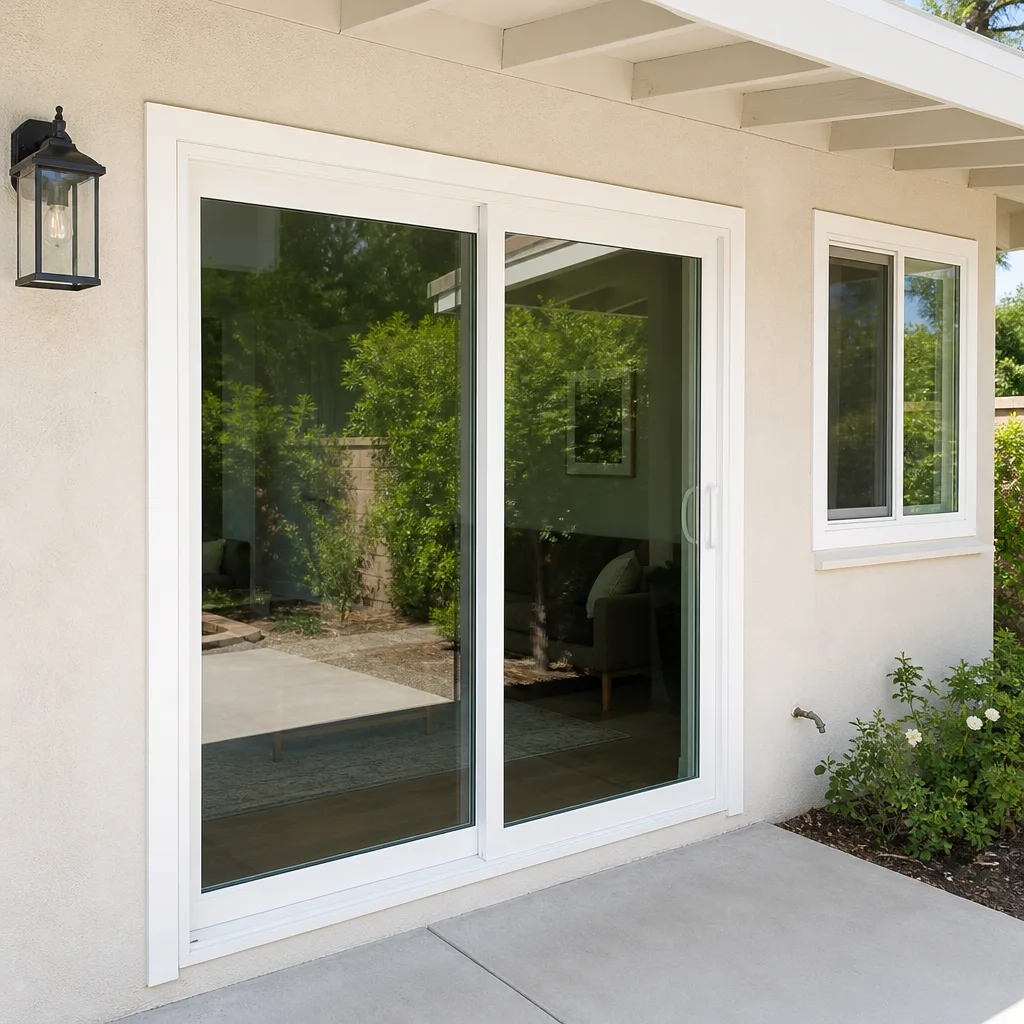
See the difference
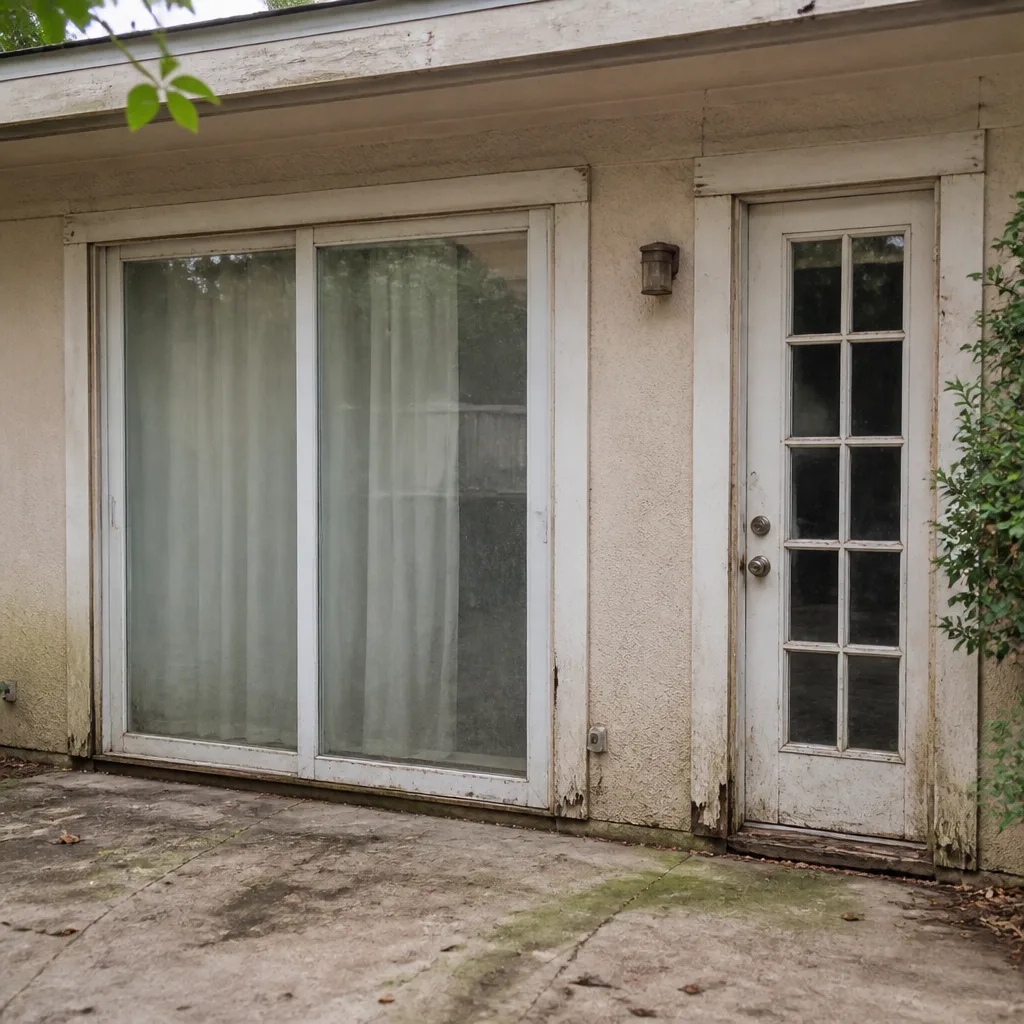 Before
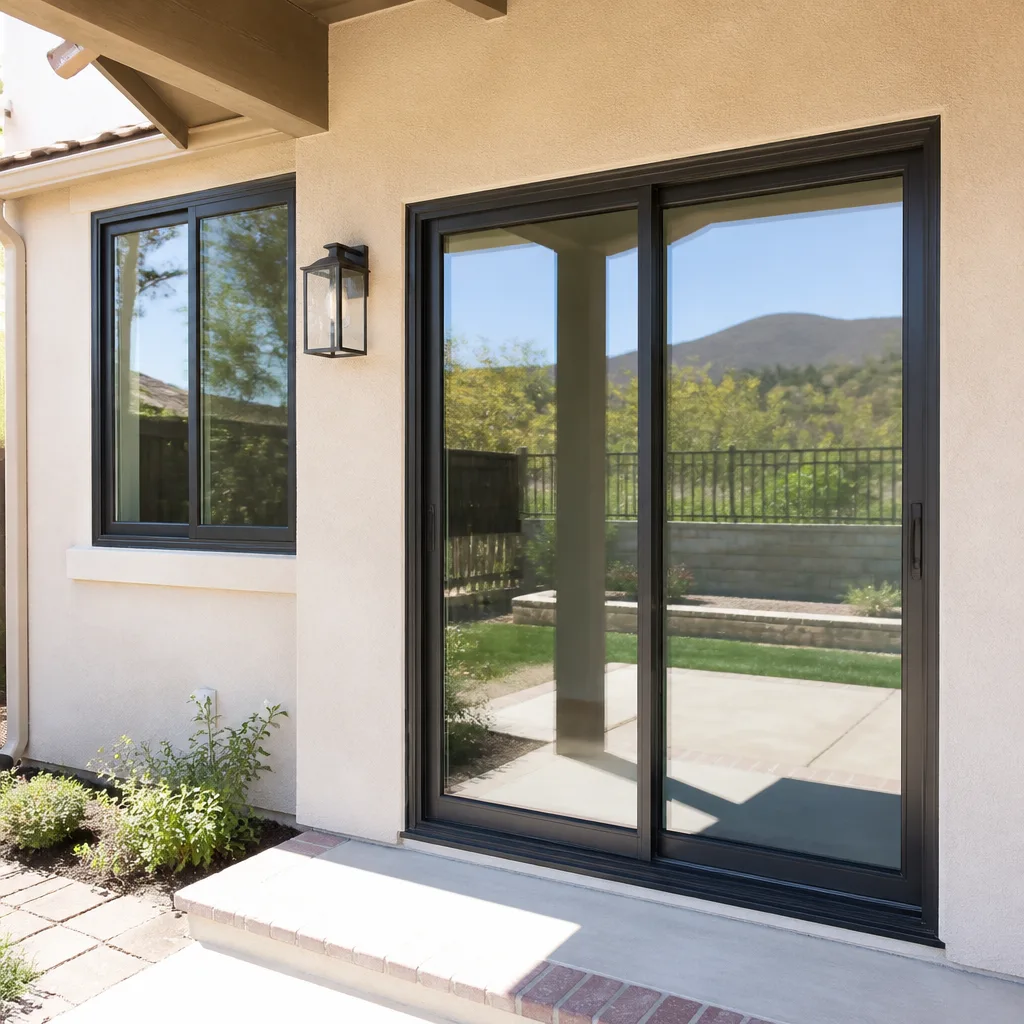 After
After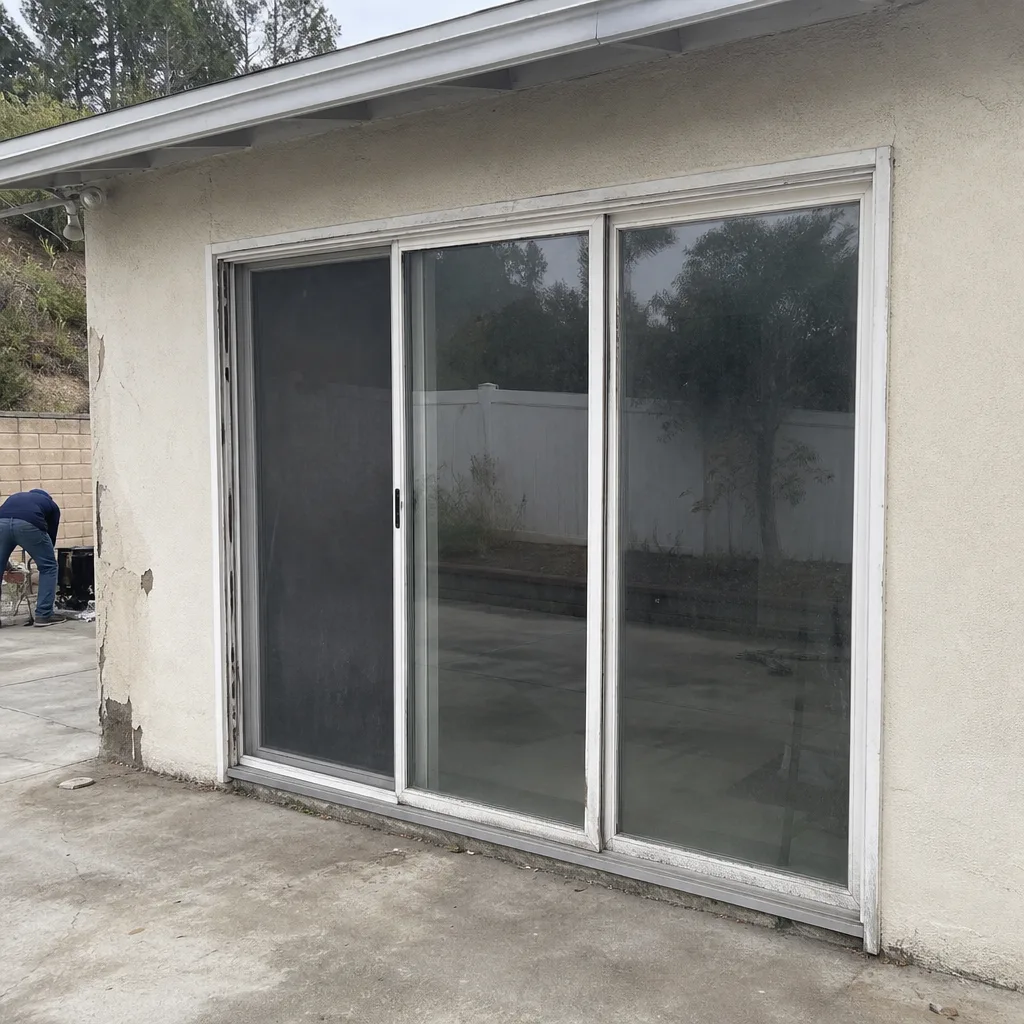 Before
 After
After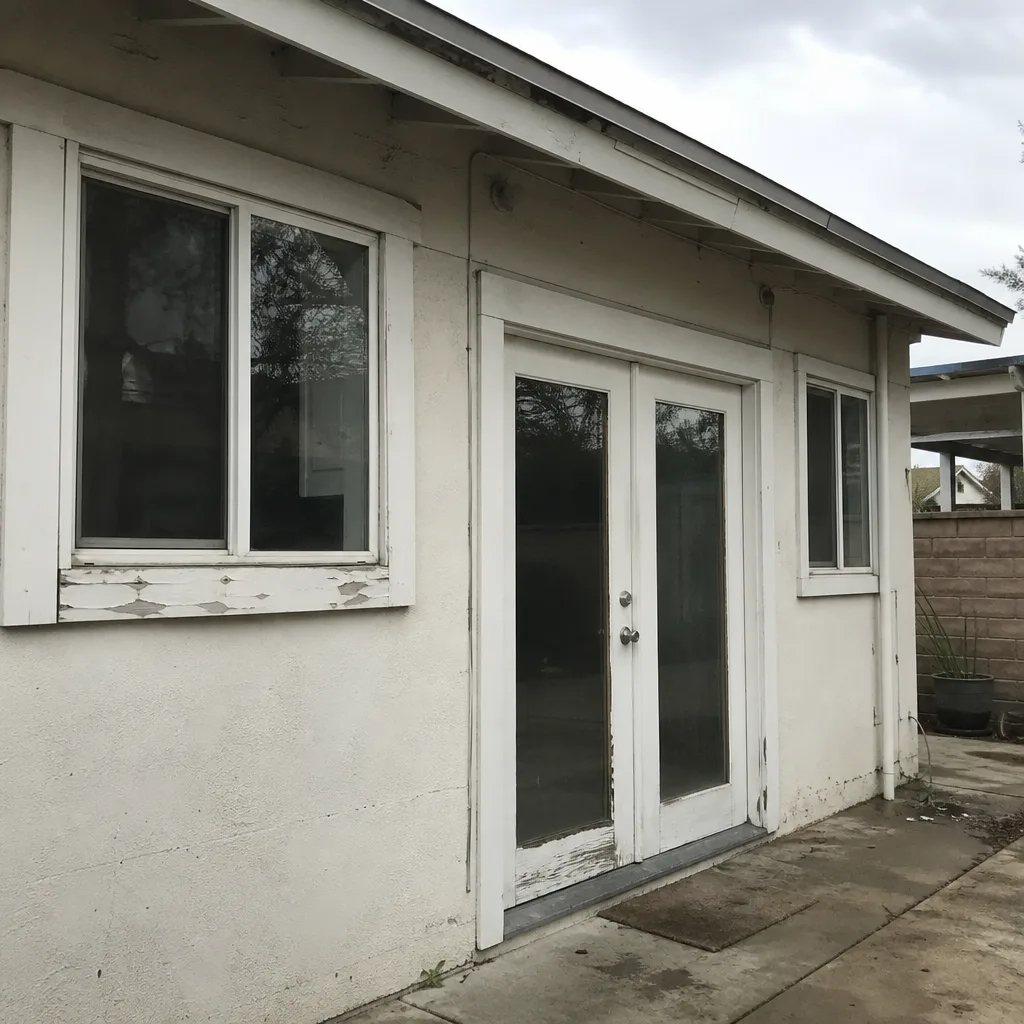 Before
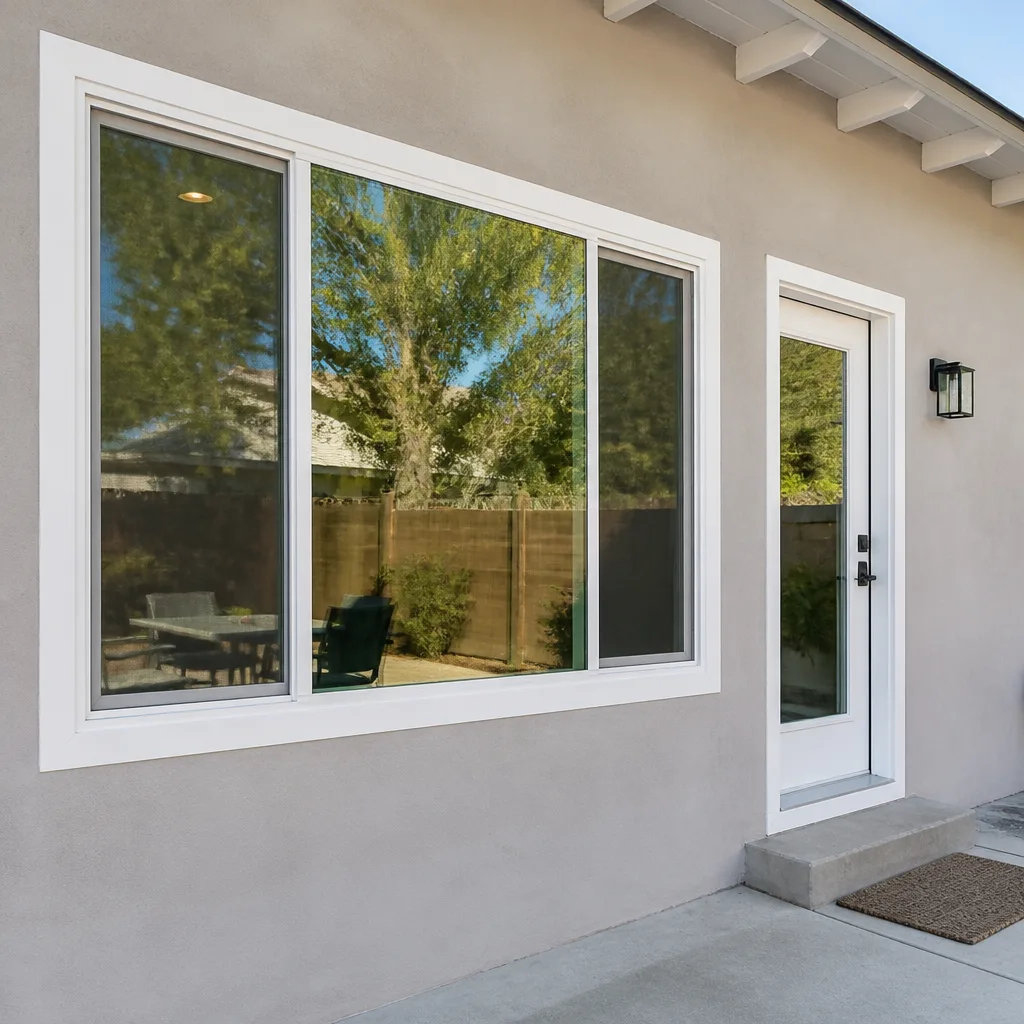 After
AfterLocal Permitting, Climate, and Product Selection: Three Factors Unique to Santa Clarita
The hiring conversation in Santa Clarita differs from the same conversation in, say, a coastal city. Here are the three factors every homeowner should factor into their contractor interview:
First, permitting jurisdiction. As covered earlier, some Santa Clarita addresses route through city building departments, while unincorporated parcels route through Los Angeles County. The contractor should know which applies to your address without guessing. Ask: “Which jurisdiction covers my parcel, and what’s the permit schedule?” A local contractor answers without a pause.
Second, climate performance. Santa Clarita sits in a hot-summer Mediterranean climate that produces long, dry heat spells and seasonal wind events. Windows rated for all climates may not be optimized for Santa Clarita’s specific profile. Ask about Solar Heat Gain Coefficient, known as SHGC, and how the recommended glass package responds to direct western and southern exposure. The right question is not “is this a good window” but “is this a good window for a west-facing wall in Valencia.” The brand matters less than the glass package. We work with CWS and ES Windows, among others, because the catalog depth lets us match a glass package to a specific wall orientation rather than applying a one-size package to the whole house.
Third, stucco matching. Santa Clarita’s stucco textures vary by era and neighborhood. A 1970s Canyon Country home has a different texture than a 2010s Valencia build. The contractor you hire should understand texture matching well enough to discuss it during the estimate. That’s a hallmark of local experience. A simple test: mention texture matching and see whether the contractor references specific patterns or changes the subject. The first response tells you they’ve worked with local stucco before.
Common Mistakes to Avoid
- Hiring based on the lowest bid. A low bid usually means a thinner scope. The line items other contractors included, like stucco matching and haul-away, drop away until the low bidder hands you a leaner contract and a surprise change order midway through the job. Compare scopes, not headlines.
- Signing before verifying the license. We covered the CSLB check. Do it before you sign, not after. The three-minute check is the cheapest protection available in any home improvement transaction.
- Skipping the permit because the contractor says it’s fine. It is not fine. Unpermitted work surfaces at the worst possible moments: during escrow, during an insurance inspection, during a FEMA review. The permit is proof the work was done to code. Insist on it.
- Accepting a verbal quote. A verbal number is not a contract. A written itemized quote is the document you hold the contractor to when work doesn’t match the promise. If they won’t write it down, don’t write the check.
- Ignoring workers’ comp coverage. The risk is not theoretical. If an uninsured crew member gets hurt on your property, you can bear the financial weight. Request the certificate and verify it’s active.
- Not asking about cleanup before work starts. The cleanup conversation should happen during the estimate, not after the crew has left a layer of drywall dust on your sofa. A contractor with a specific cleanup plan is a contractor who treats your house like a home, not a job site.
- Choosing a contractor who doesn’t work in Santa Clarita regularly. The traveling crews that appear after fire seasons often leave before problems surface. Choose a contractor with a Santa Clarita presence, a local phone number, and a physical operating base in the valley. The Lightwell Windows Santa Clarita home base is local, and the phone rings to a real person, any hour.
How Lightwell Approaches the Santa Clarita Window and Door Process
Lightwell Windows & Doors is the local, independently operated Cedarwell windows-and-doors company serving Santa Clarita. The name is not accidental. A light well is the architectural opening that pulls daylight deep into a building. That is what a well-installed window should do for your home: carry light from one side of the house to the other, warming rooms that the old window left dim. The same idea runs through how we work with homeowners: clarity over confusion, written prices over surprises, and a crew that treats the house like a home.
We operate as part of the Cedarwell network, which has operated to the Cedarwell Care Promise since 2010. Every job is backed by the 365-Day Done Right Promise. If the finished work is not right, Lightwell makes it right. No debate, no countdown. It’s stamped on every job, not just the easy ones.
We carry a curated lineup of manufacturer brands because no single brand fits every Santa Clarita home. The lineup includes PGT, CGI, CWS, ES Windows, ECO Window Systems, Mr-Glass, Therma-Tru, and ViewLux. This matters for one practical reason: the recommendation fits the home, not the installer’s preferred vendor. If you’re replacing a patio door on a west-facing wall in Saugus, the door we recommend is chosen for that wall, that exposure, and that household’s needs.
Every job includes the Cedarwell Care Promise. Shoe covers and drop cloths on every visit. A photo of the clean-up before the crew leaves. A written price before any work starts, with no exceptions. Background-checked, uniformed technicians on every job, following the C.A.R.E. values on each visit: Clean up like it’s our own home, Ask before we move or touch anything, Respect the family’s time and quiet hours, Explain the price before the work. Those values guide how the crew behaves when they step through your door.
To explore Window Replacement in Santa Clarita in more depth, or to learn about the Window Installation in Santa Clarita process from a local perspective, you can follow those links. For a detailed look at entry doors and patio doors, read about Door Installation in Santa Clarita. Each of those pages covers the specifics in more detail than this guide does.
When to Call a Professional
Window and door installation is not a weekend project. It involves structural openings, flashing, sealing, stucco work, and the safety of your family’s home. If you’re noticing drafty windows, difficulty opening or closing, condensation between glass panes, or a door that won’t latch properly in a Santa Clarita summer, that’s the time to bring in a professional estimate. Use our Window Replacement Maintenance Checklist for Santa Clarita Homeowners to spot issues early. The earlier you address window and door performance, the less corrective work the house needs later. Lightwell Windows Santa Clarita offers free estimates in Santa Clarita, and a live person answers the phone when you call. Reach us at (661) 430-5327. The estimate appointment is the right moment to ask the seven questions from this guide and to compare what you learn against what you now know a professional process looks like.
Frequently Asked Questions
Verification starts at the CSLB website, where you enter the contractor’s license number and confirm three things: the license is active, the name matches who you’re speaking with, and the classifications cover window and door work (B, C-17, or C-61/D28). The check takes under three minutes. If a contractor won’t provide a license number, do not proceed with the estimate.
Yes, a building permit is required for window replacement in Santa Clarita, whether your parcel routes through the city building department or through Los Angeles County for unincorporated areas. A permit ensures the work meets earthquake anchoring, energy efficiency, and egress standards. Contractors who say a permit isn’t needed are either misinformed or avoiding the cost, and unpermitted work can complicate a home sale, insurance claim, or FEMA application later.
A written quote should list every product by manufacturer and model, glass package details, frame material and finish, stucco patching scope, interior trim work, flashing and sealing methods, haul-away, permit fees, project timeline, and payment schedule. The line item most contractors omit is a delay clause that specifies what happens if the job runs significantly past the estimated completion date. At Lightwell Windows Santa Clarita, the written price is placed in your hands before any work starts, and that price does not change at the end of the job.
Vinyl window replacement in Santa Clarita typically runs $700 to $1,400 per opening installed. Fiberglass or composite windows run $1,200 to $2,200 per opening. Wood or wood-clad windows run $1,500 to $2,800 per opening. Stucco patching and texture matching, when priced separately, adds $150 to $400 per opening. Call (661) 430-5327 for an exact quote, and ask for line-item pricing so you can compare scopes fairly.
Ask how they handle stucco patching, what happens to interior trim, who hauls away debris, how they seal and flash against Santa Clarita heat and wind, whether floors and furniture are covered, how they manage kid and pet safety, and what the written warranty covers. These seven questions reveal whether a contractor knows local conditions or is a traveling crew working through the valley. A local professional answers specifically and without hesitation.
A local contractor has a Santa Clarita operating base, a phone number that a real person answers during business hours and beyond, and a working knowledge of local permitting jurisdiction, local stucco textures, and Santa Clarita climate conditions. Ask for a local address. Ask which permitting jurisdiction covers your parcel. Ask about texture matching in your specific neighborhood. The answers separate a local operator from a traveling crew. Lightwell Windows Santa Clarita is independently owned and operated in Santa Clarita, and a live person answers the phone 24/7 at (661) 430-5327.
The Bottom Line
Hiring a windows and doors contractor in Santa Clarita comes down to verification, documentation, and asking the right questions before you sign. Verify the license through the CSLB and confirm the classification. Request the four documents: written itemized quote, proof of general liability insurance, workers’ comp certificate, and permit pull confirmation. Ask the seven questions at the estimate to separate local pros from traveling crews. Review the written scope of work line by line, including the delay clause most contractors omit. And if any red flag appears, walk away. The right contractor leaves you with windows that carry light through your home and a written warranty that lasts beyond the handshake. Call (661) 430-5327 to schedule your free estimate.
Written by Keith Yamada, Owner at Lightwell Windows Santa Clarita, serving Santa Clarita since 2010.
Six Reasons Homeowners Choose Lightwell Windows Santa Clarita
Laminated glass and reinforced frames hold up to wind-driven rain, hail and flying debris, so your openings stay sealed when the weather turns.
Low-E insulated impact glass from our manufacturer lines commonly cuts monthly cooling bills 20-30%.
Laminated impact glass shuts out up to 40% of outside noise - traffic, neighbors, weather.
Monitoring services run $30-90 a month. Laminated impact glass resists forced entry around the clock, with no subscription.
Tighter seals and insulated glass even out hot and cold rooms and stop the drafts at the frame.
A full impact package upgrades curb appeal, buyer confidence and appraised value in one project.