
Last updated October 17, 2026
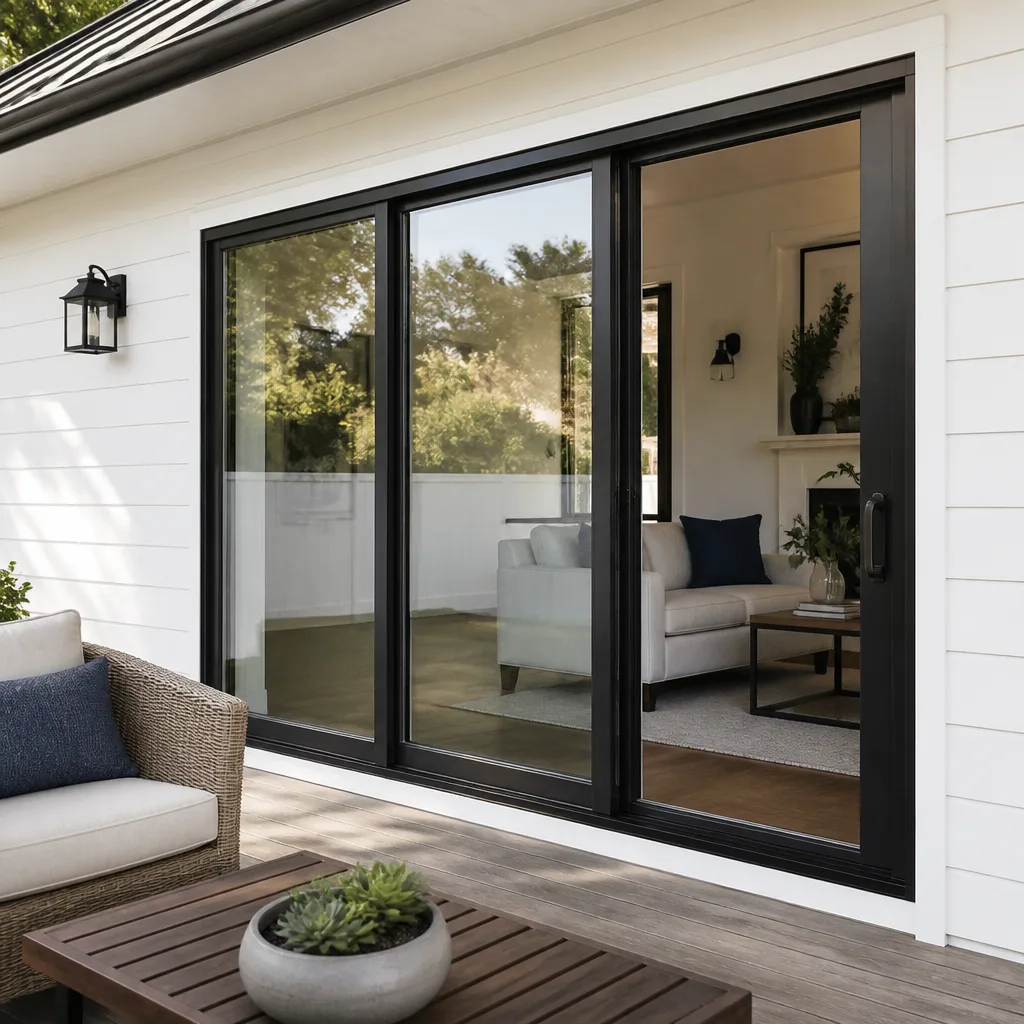 Sliding glass doors
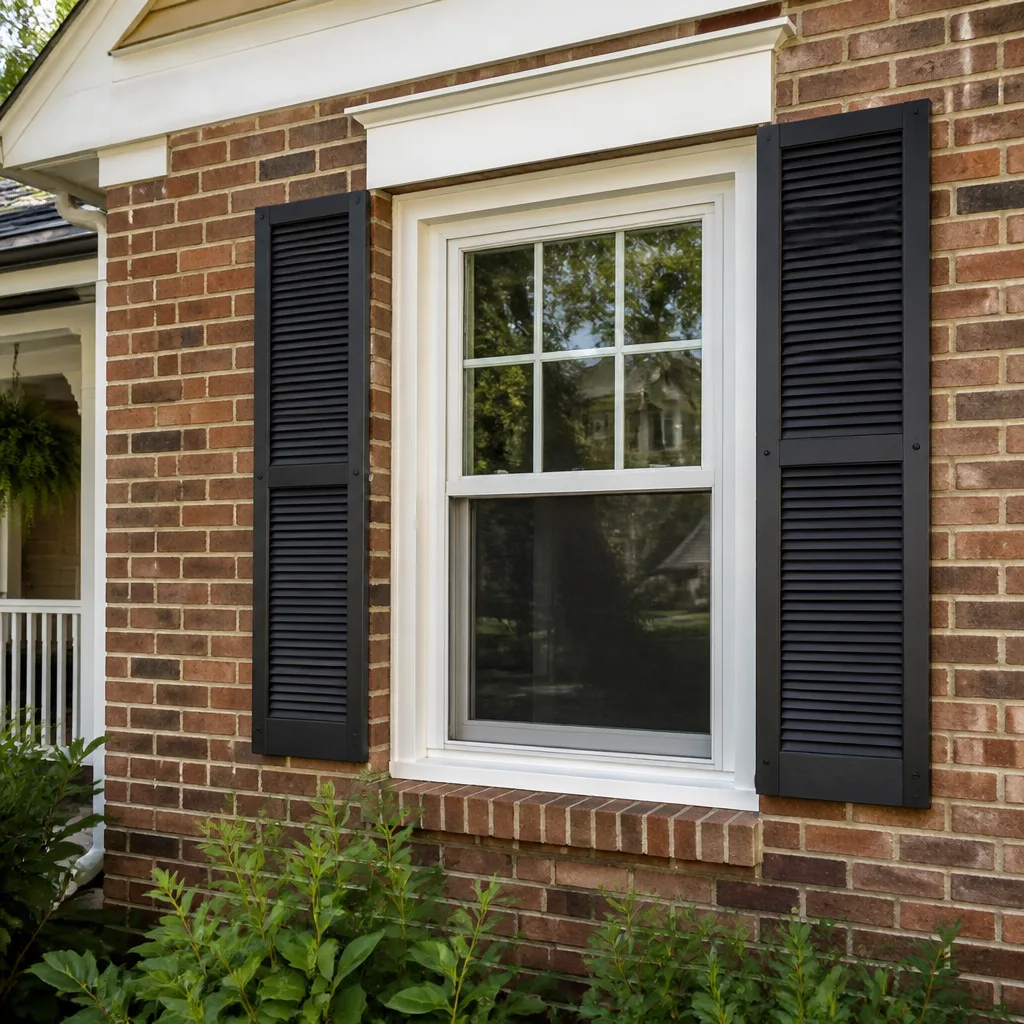 Single hung
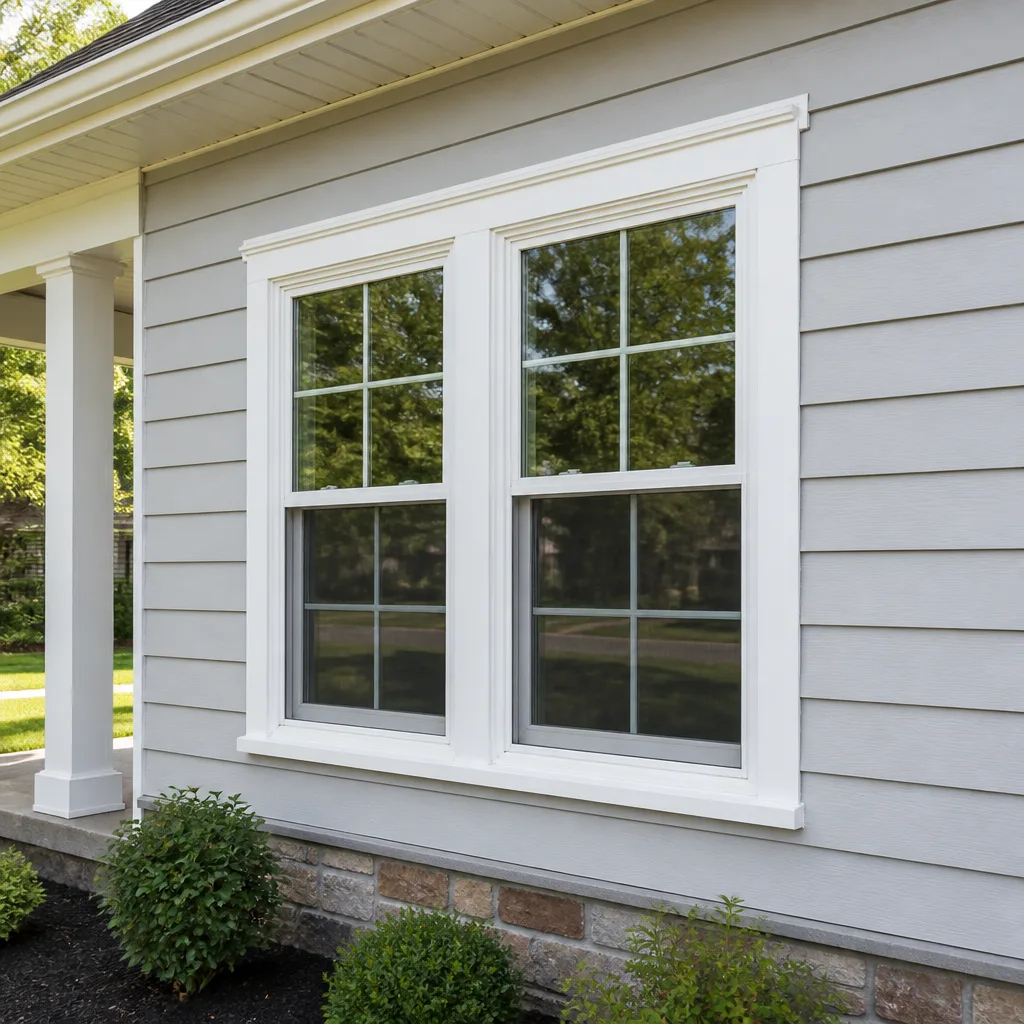 Double hung
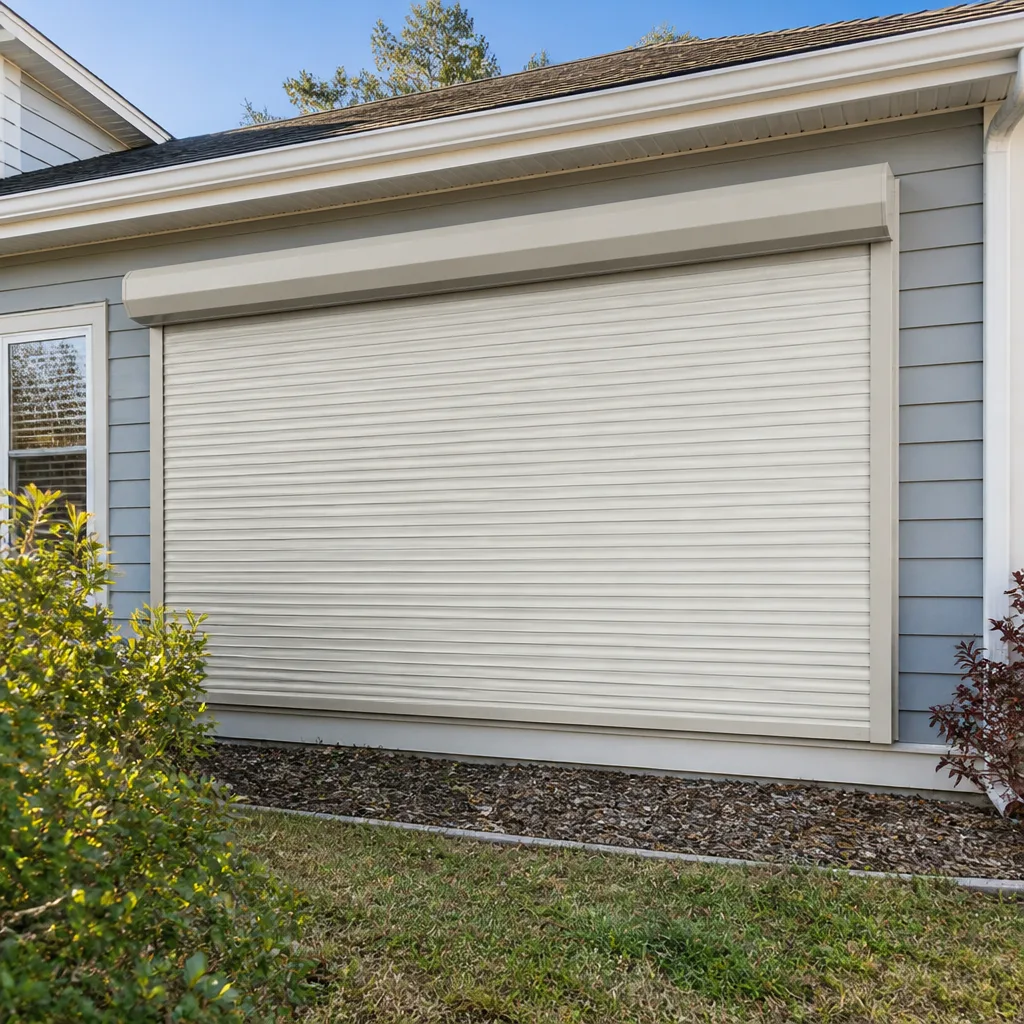 Horizontal roller
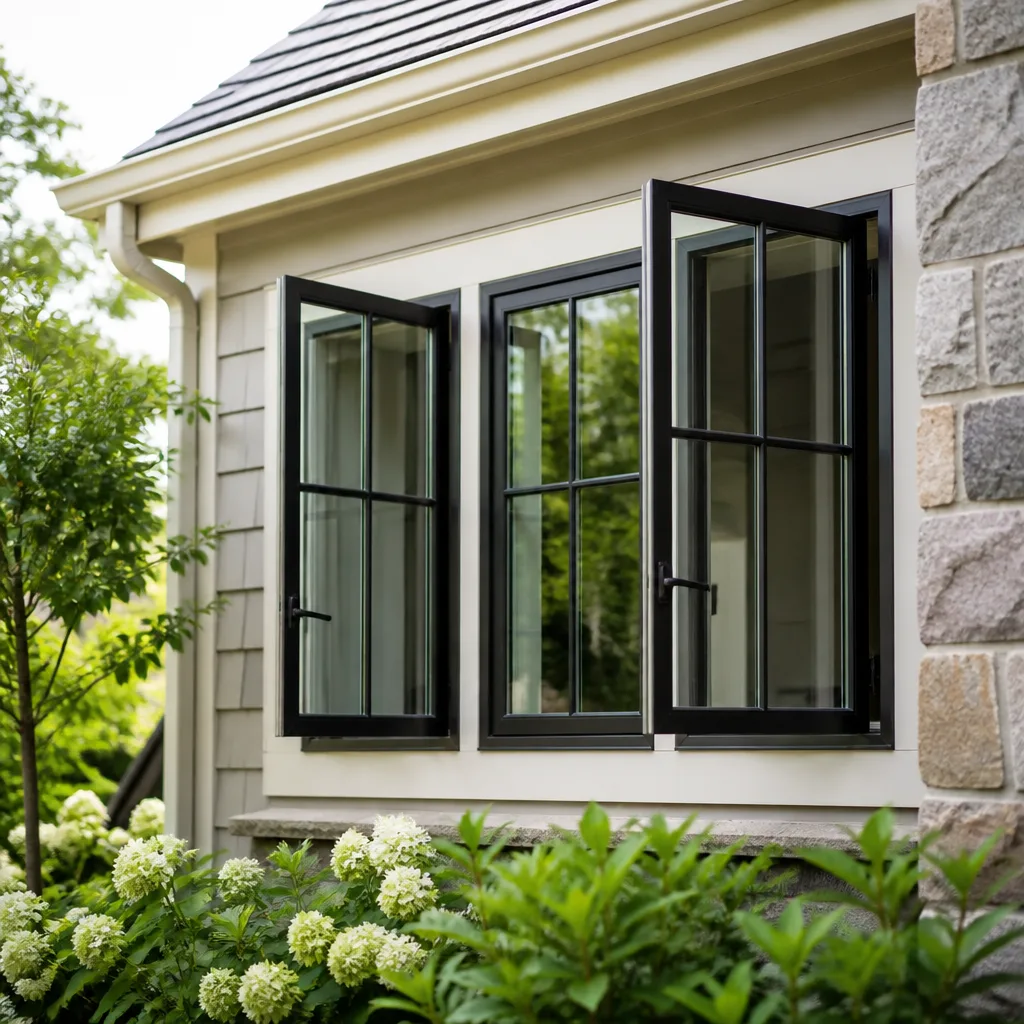 Casement
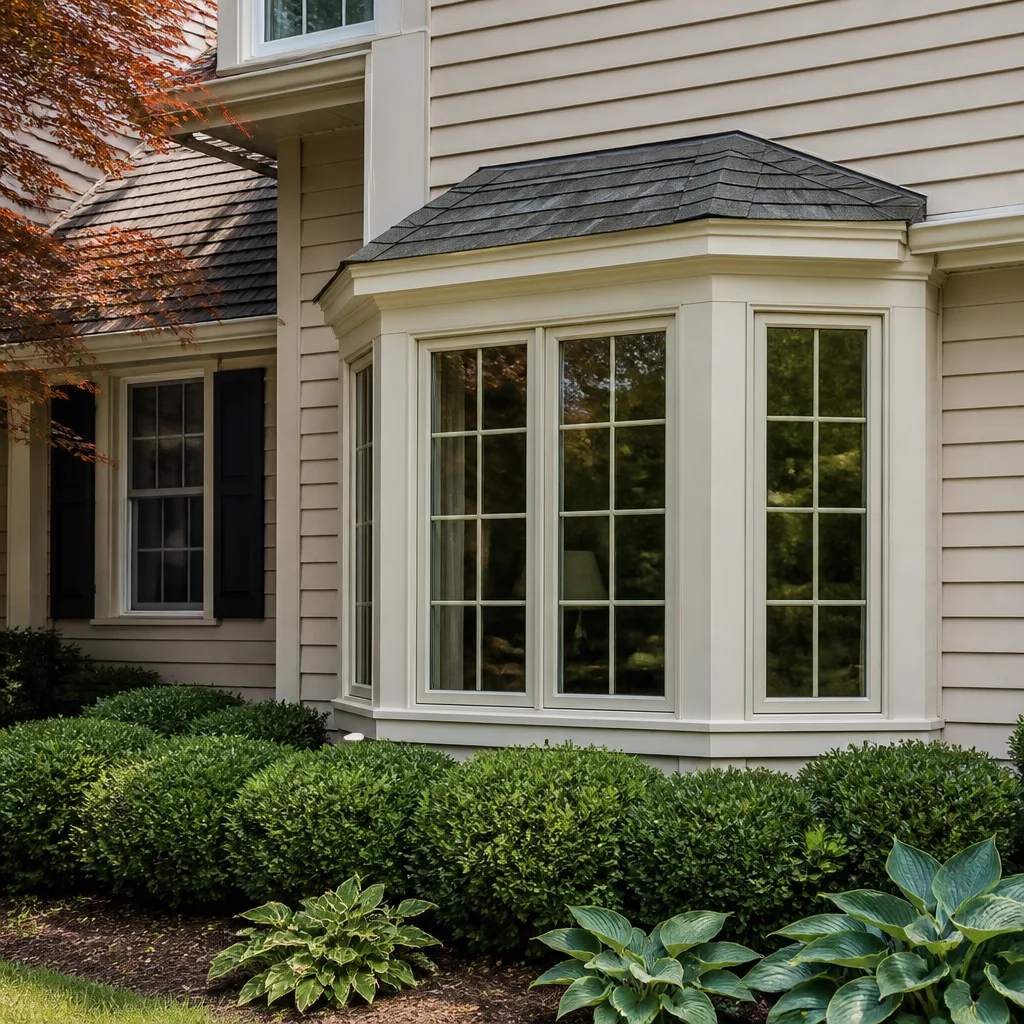 Bay & bow
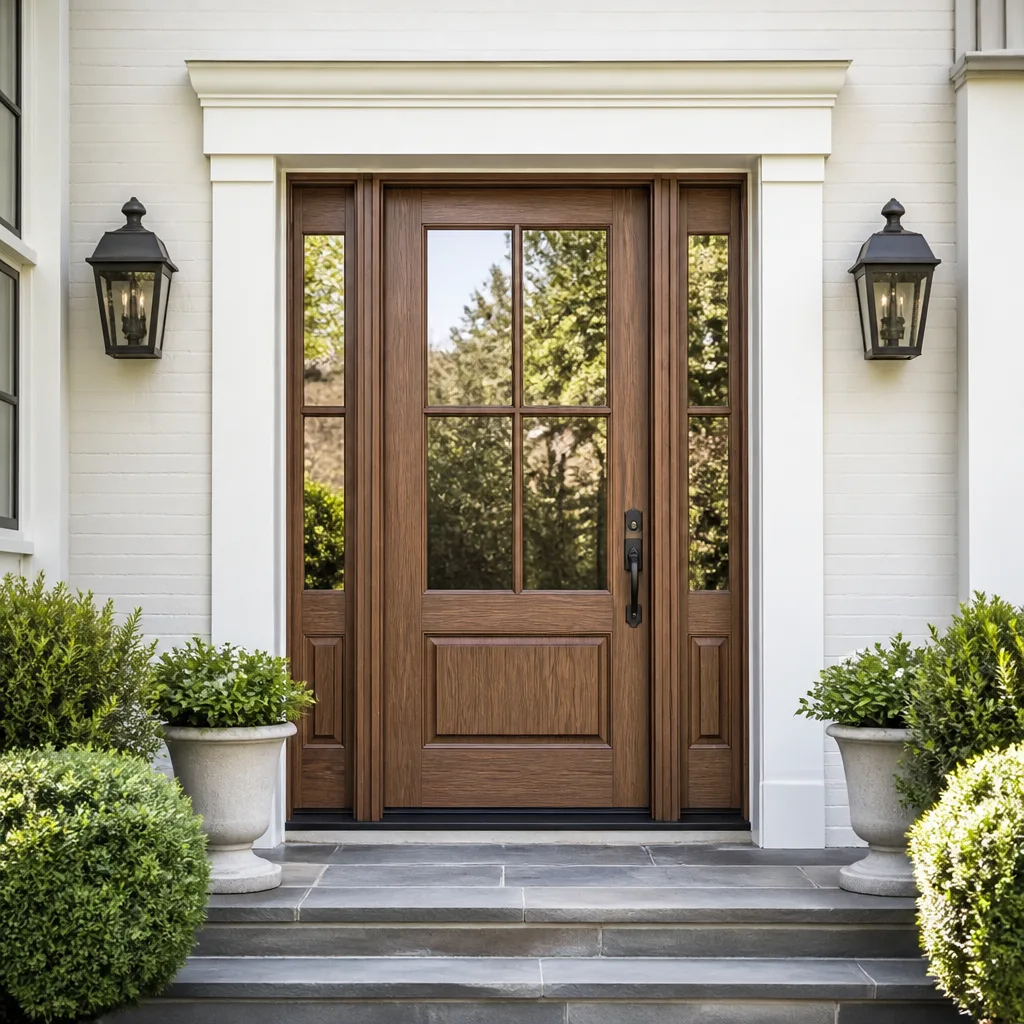 Entry doors
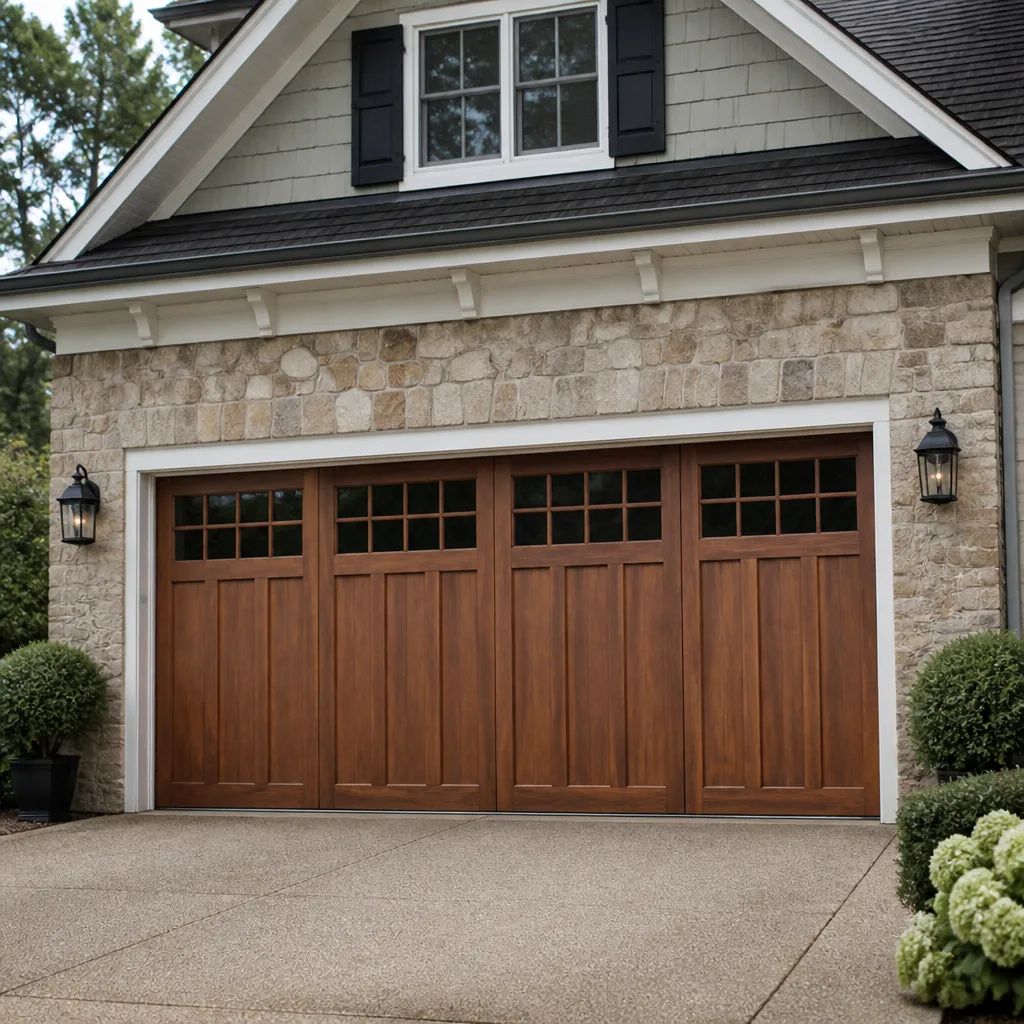 Impact garage doors
 PGT
PGT CGI
CGIFree in-home measure and quote - PGT, CGI and CWS impact lines compared on your actual openings, style by style
Get your free estimateSeasonal Windows & Doors Care for Santa Clarita: Year-Round Homeowner’s Guide
The window that looks fine in March has already absorbed six months of UV radiation and grit by the time October’s Santa Anas hit, and that’s exactly when frame flex and failed seals let embers find a path inside. Santa Clarita doesn’t have four conventional seasons. It has a fire season, a wind season, a brief wet season, and a long heat siege. Each one stresses windows and doors in a different and specific way, and most homeowners only notice the damage after it has already cost them money. This guide builds a care routine around those four local seasons rather than the calendar quarters that work for the rest of the country, and you can find more guides & resources on our blog. By the end, you’ll know exactly what to check, when to check it, and what you can safely handle yourself versus what needs a trained eye.
Styles & brands we work with
Quick Answer
Seasonal window and door care in Santa Clarita means checking weep holes and sill pans after the wet season ends in spring, protecting low-E coatings and lubricating sliding door tracks with dry lubricant during the summer heat, inspecting weatherstripping gaps and screen conditions before Santa Ana wind season each October, and examining caulk joints and flashing after any winter rain event. Most of these checks take under 15 minutes per season and can prevent thousands of dollars in frame rot, seal failure, and ember intrusion damage.
Table of Contents
- Spring (March – May): Post-Wet Season Recovery
- Summer (June – September): The Heat Siege
- Fire & Wind Season (October – November): Pre-Santa Ana Prep
- Winter (December – February): The Brief Wet Season
- The Kitchen Drawer Reference Card
- Common Mistakes to Avoid
- When to Call a Professional
- Frequently Asked Questions
Spring (March – May): Post-Wet Season Recovery
By the time March arrives in Santa Clarita, whatever rain the valley received between December and February has already done its quiet work. The soil around your foundation has expanded and contracted. Mud has splashed up against your window tracks. And every weep hole, the small drainage openings at the bottom of your window frames, has had months to collect silt, debris, and the fine dust that settles everywhere in this valley. When weep holes clog, water that should drain out instead pools inside the frame channel. That pooling water sits against the sill pan, and over the course of a single wet season, it can begin to rot the wood substrate beneath a window or corrode the hardware on a sliding door.
Spring is the season to undo that damage before the heat arrives and bakes the moisture into place.
Step 1: Clear Every Weep Hole
- Locate the weep holes on the exterior bottom edge of each window frame. Most windows have two or three.
- Use a thin, non-metallic tool like a wooden toothpick or a small nylon brush to gently remove visible debris.
- Test drainage by pouring a small cup of water into the interior track channel. If water does not exit freely through the weep holes within a few seconds, the channel is blocked further inside.
- For stubborn blockages, a can of compressed air with the thin nozzle attachment can dislodge packed silt without scratching the frame.
If water pools and won’t drain after clearing, the sill pan beneath the frame may already be compromised, and that’s a repair you should not postpone heading into the dry season. A sill pan that holds water attracts termites, and Santa Clarita has plenty of them.
Step 2: Inspect Sill Pans for Standing Water Damage
The sill pan is the hidden waterproof tray installed beneath a window or door to catch any water that gets past the frame. In our experience, homes along the paseos and older streets in Valencia built before 2005 frequently have sill pans that were either installed incorrectly or have degraded to the point of failure. The symptom to look for is water staining or softness on the drywall directly beneath a window after a rain, or peeling paint along the interior sill that reappears even after repainting. If you press a screwdriver tip into the wood near the corner of a window sill and it sinks rather than resists, moisture has already reached the framing.
Step 3: Reseat Door Thresholds That Shifted
Clay-rich soil in parts of Saugus and Canyon Country expands dramatically when wet and contracts when dry. That cycle pushes and pulls on door frames, and by spring, a threshold that sat flush in October may have risen a quarter inch, enough to make a door scrape or leave a visible gap at the bottom. Check each exterior door by closing it and running a piece of paper along the bottom edge. If the paper slides freely in one spot but not another, the threshold has shifted. Minor adjustments can sometimes be made by tightening the threshold screws accessible beneath the weatherstripping cap. If the threshold itself is warped rather than just loose, replacement is the more durable fix, and the timing matters because summer heat will only worsen the warp.
Summer (June – September): The Heat Siege
Santa Clarita summers are not just hot. They are relentless. Triple-digit days string together for weeks, and the sun here sits at an angle that punishes south-facing and west-facing window glass for eight to ten hours a day. This is the season when low-E coatings, that microscopically thin metallic layer that reflects infrared heat back outside, start to show their age. The coating doesn’t fail all at once. It degrades in patches, and the first sign is usually a subtle haze or a faint rainbow-colored sheen visible when you look at the glass from an angle with the light hitting it just right. Once the coating degrades, the glass still looks like glass, but the room behind it gets noticeably hotter, and your air conditioner works harder without you ever seeing why.
Summer is also the season when sliding door tracks suffer from owners reaching for the wrong lubricant. Grease and oil-based sprays attract dust, and Santa Clarita produces enough airborne dust to turn a greased track into grinding paste within two weeks. A dry silicone or PTFE-based lubricant is the correct choice for sliding door tracks here. Apply it sparingly to the track after vacuuming out debris, then open and close the door several times to distribute it. The door should glide with minimal resistance. If it still sticks after cleaning and dry lubricating, the rollers themselves may have flat spots, typically from years of the same door panel sitting in the same position under its own weight.
Spotting Thermal Seal Failure Before the Argon Migrates
Most double-pane windows sold in the last 20 years have argon gas between the panes for insulation. The gas is held in by a perimeter seal, and when that seal fails, argon leaks out and regular air replaces it. The window doesn’t shatter. It doesn’t even look broken at first. What happens is the insulating value drops and condensation begins to form between the panes when the temperature difference between inside and outside is extreme. In summer, look for interior condensation that cannot be wiped away, or a slight cloudiness between the panes that comes and goes with the time of day. By the time you can see it consistently, the argon is already gone. If you catch the early signs in June or July, you have time to plan a replacement before the fire season winds arrive. For what a replacement involves, our Window Replacement in Santa Clarita page walks through the process in detail.
Fire & Wind Season (October – November): Pre-Santa Ana Prep
The Santa Ana winds that rake through the Santa Clarita Valley each fall are not just strong. They are dry, sustained, and they carry embers. A single ember small enough to pass through a torn window screen can land in a curtain, a couch, or a pile of laundry and start a structure fire within minutes. This is not a theoretical risk in Santa Clarita. It is a seasonal fact of life, and your windows and doors are the first line of defense.
The month of October is the time to walk the perimeter of your home with a Window Replacement Maintenance Checklist for Santa Clarita Homeowners, not a general one. The goal is to find every gap, tear, and weakened seal that an ember or a sustained wind could exploit.
Pre-Santa Ana Checklist
- Inspect every weatherstripping seam. On windows, run your hand along the interior perimeter on a windy day. If you feel air moving, the weatherstripping has compressed or pulled away. On doors, close the door and look for daylight visible around any edge.
- Check screen condition on every operable window. Screens are not just for bugs. A properly fitted screen with no tears acts as a physical barrier that can stop an ember before it reaches the glass. If a screen has a hole larger than a pencil eraser, replace it before wind season.
- Examine door sweeps on every exterior door. A door sweep that has worn down to the metal spine leaves a gap at the threshold, and wind follows the gap. In high-wind conditions, that gap also creates negative pressure inside the home that can pull embers toward other openings.
- Test window locks and latches. A window that doesn’t fully seat into its weatherstripping because the lock is loose will rattle in the wind and let dust and embers through the gap.
If you find a compromised door sweep in October and the replacement appointment is a week away, you can create a temporary seal by rolling a bath towel tightly and pressing it against the gap at the bottom of the door, weighted down on the interior side. This is a stopgap, not a fix, but it can meaningfully reduce airflow and ember entry on the worst wind days. A proper replacement sweep takes a technician about 20 minutes, and it’s one of the least expensive door repairs you can order before Door Installation in Santa Clarita season descends in earnest.
Winter (December – February): The Brief Wet Season
Santa Clarita winters are short and mild compared to the coast, but the valley does get its share of freezing nights, especially in the lower elevations near the riverbed and in the hills above Newhall and Shadow Hills. When temperatures drop below freezing, aluminum-clad window frames contract. Aluminum contracts and expands at roughly twice the rate of the wood or vinyl it wraps, and over repeated freeze-thaw cycles, that differential movement can loosen the cladding from the frame and open hairline gaps at the corners where caulk has aged into something brittle.
Winter is the season to inspect exterior caulk joints and flashing, and to do it after each rain event rather than once per season. The right way to inspect without causing more damage than you prevent is visual first, physical second. Look at the caulk bead around each window and door from a few feet away. If you see cracking, peeling, or a bead that has pulled away from the siding or stucco, that is a failed joint. Do not dig at it with a screwdriver. Do not peel it. A cut in the caulk that wasn’t there before creates a path for water to enter a joint that was previously just aging. Mark the location, photograph it, and leave the repair to someone who will remove the old bead completely and lay a new one properly.
How to Check Flashing Without Climbing a Ladder
Flashing is the metal or vinyl strip installed at the top of a window or door opening to direct water away from the gap between the frame and the wall. It fails quietly, and the damage it allows is never visible until the drywall inside starts to bubble. From the ground, using binoculars if needed, check that the flashing extends past the sides of the frame and that it does not appear bent or pulled away from the wall. If you notice water stain lines running down the stucco below a window after a rain, that’s a sign the flashing is not doing its job and water is running down the face of the wall instead of being directed out and away. For a fuller walkthrough of what proper installation should look like on a new window, see our Window Installation in Santa Clarita page.
The Kitchen Drawer Reference Card
Here is the single-page seasonal care summary. Photograph it with your phone or print it and keep it in the kitchen drawer. Each season has three prompts, and none of them require tools beyond what you already own.
- Spring: Clear weep holes. Check sill pans for staining. Test every door for threshold shift.
- Summer: Look for haze or rainbow sheen on south-facing glass. Vacuum and dry-lubricate sliding door tracks. Watch for interior condensation between panes.
- Fall: Run the pre-Santa Ana checklist. Replace any screen with a hole larger than a pencil eraser. Check door sweeps at every exterior door.
- Winter: Visually inspect caulk after each rain. Check flashing from the ground. Note any bubbling paint inside and address it before spring.
Common Mistakes to Avoid
- Using WD-40 or grease on sliding door tracks. In Santa Clarita’s dust, a greased track becomes abrasive sludge within weeks. Dry silicone or PTFE only, applied after vacuuming.
- Ignoring a torn screen because it’s “just a screen.” During Santa Ana winds, a torn screen is an ember entry point. Replace it before October.
- Painting over failing caulk instead of removing and replacing it. Paint seals nothing. The crack underneath continues to pass water, and now you can’t see it worsening.
- Waiting for visible damage before checking weep holes. By the time water stains appear inside, the sill pan may already be compromised. Weep holes need a three-minute check every spring, whether or not you’ve noticed a problem.
- Assuming a window that fogs between panes just needs a cleaning. Condensation inside a sealed double-pane unit means the seal is gone and the argon with it. No amount of glass cleaner fixes that.
- Climbing a ladder to inspect flashing and caulk joints. Most flashing issues are visible from the ground with binoculars, and a fall costs more than a flashing repair. Leave the ladder work to someone trained for it.
- Pushing a shifted threshold back down by force. If the threshold moved because the door frame moved, forcing it creates a new problem without solving the old one. Call a professional who can diagnose the frame, not just the symptom.
When to Call a Professional
Some seasonal checks are genuinely DIY. Most are. But there are specific scenarios where the right move is to make a phone call before you make anything worse. If you press on a sill and the wood yields, the framing has moisture damage and the repair involves more than caulk. If a window fogs between the panes consistently, the sealed unit needs replacement, and that is not a homeowner repair. If a door fails to latch properly even after adjusting the strike plate, the frame itself may have shifted, and forcing it will only compound the issue. If you find several failed caulk joints after a wet winter, the correct fix is full removal and replacement, not a cosmetic bead over the top. Lightwell Windows Santa Clarita offers free estimates in Santa Clarita, call (661) 430-5327 and we’ll tell you what you’re dealing with and what it costs to fix, in writing, before any work starts. If you’re just beginning to research replacement options, our Lightwell Windows Santa Clarita home page is the right starting point.
Frequently Asked Questions
Four times per year, once at the beginning of each season as defined by Santa Clarita’s actual weather pattern: March, June, October, and December. Each seasonal check takes 15 to 30 minutes and focuses on the specific failure mode that season creates.
Thermal seal failure from prolonged UV exposure, which shows up as hazing or condensation between the panes of double-pane windows. South-facing and west-facing windows fail first because they absorb the most direct sun. If you’ve spotted it, call (661) 430-5327 for an exact quote, estimates are free.
Most window replacements in Santa Clarita run between $600 and $1,400 per opening depending on size, frame material, and glass package. For a deeper dive, see our Windows & Doors Cost Breakdown: The Santa Clarita Homeowner’s Reference for 2026. Doors typically run from $1,200 to $3,500 installed. The only way to know your exact number is to have the openings measured and the glass spec’d, which we do at no charge. Call (661) 430-5327 for a written line-item quote.
No. Lightwell Windows Santa Clarita operates on no-hassle upfront pricing, which means you receive a written price before any work begins, and that price does not change unless you change the scope. No invoice surprises at the end of the job.
Most straightforward window and door replacements in existing openings do not require a permit under Santa Clarita’s current municipal code, but any project that changes the rough opening size or adds a new opening does. Learn more in our guide to Windows & Doors Permits, Codes & Inspections in CA: What You Need to Know. If your project requires permitting, the installer should pull it and pass inspection, not ask you to handle it. If you’re unsure, call (661) 430-5327 and we’ll tell you what your specific project requires.
A typical single-window replacement takes two to four hours from start to clean-up. A full-house replacement of 10 to 15 windows usually takes two to three working days. We’ll give you a specific timeline in writing with your estimate, and the crew follows the C.A.R.E. values on every visit: Clean up like it is our own home, Ask before we move or touch anything, Respect the family’s time and quiet hours, and Explain the price before the work.
The Bottom Line
Santa Clarita’s four seasons each attack your windows and doors in a specific way, and the fixes are cheapest when matched to the season they belong to. Clear weep holes in spring. Watch for seal failure in summer. Prep for Santa Ana winds in October. Inspect caulk and flashing after winter rain. Fifteen minutes per season, four times per year, and you’ll catch the small problems before they become replacements. When something is beyond a quick check, one call to (661) 430-5327 gets you a free estimate, a written price, and a straight answer about what your home actually needs.
Written by Keith Yamada, Owner at Lightwell Windows Santa Clarita, serving Santa Clarita since 2010.
See the difference
 Before
 After
After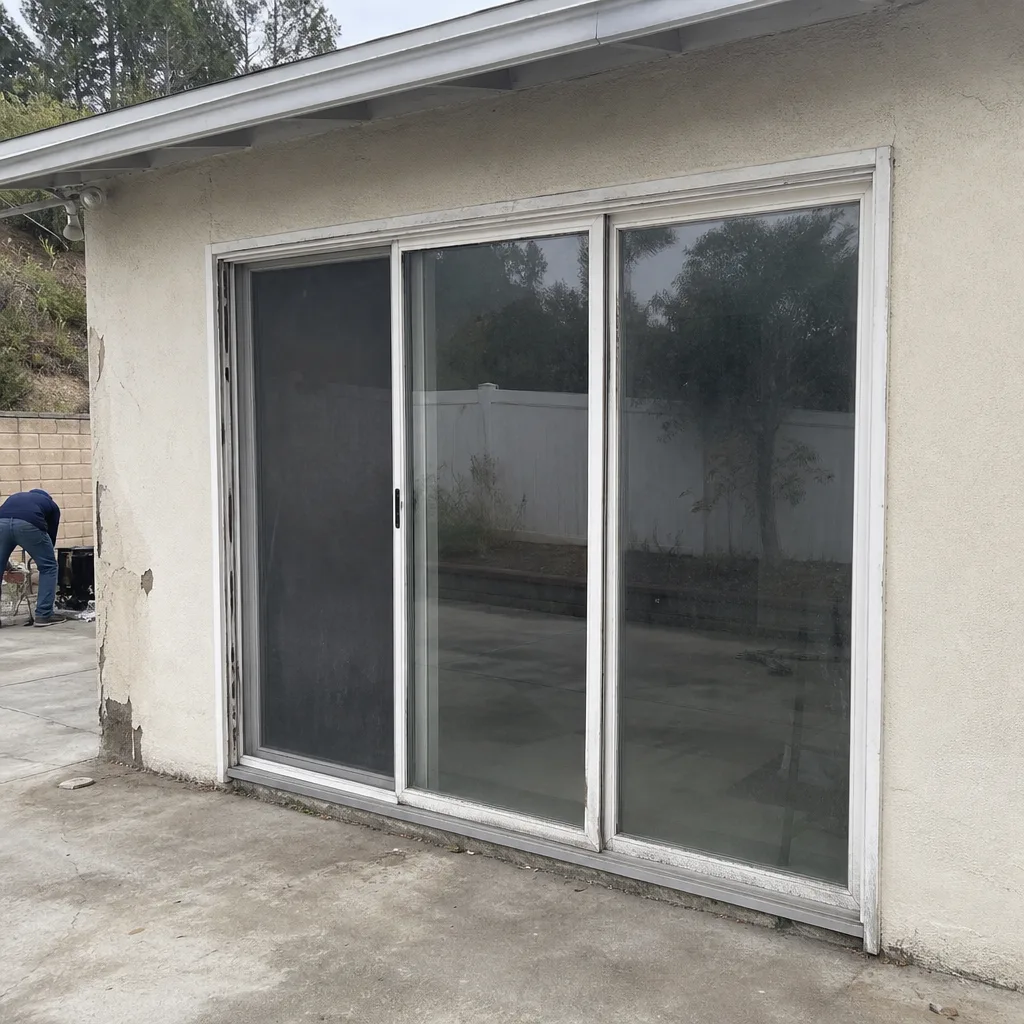 Before
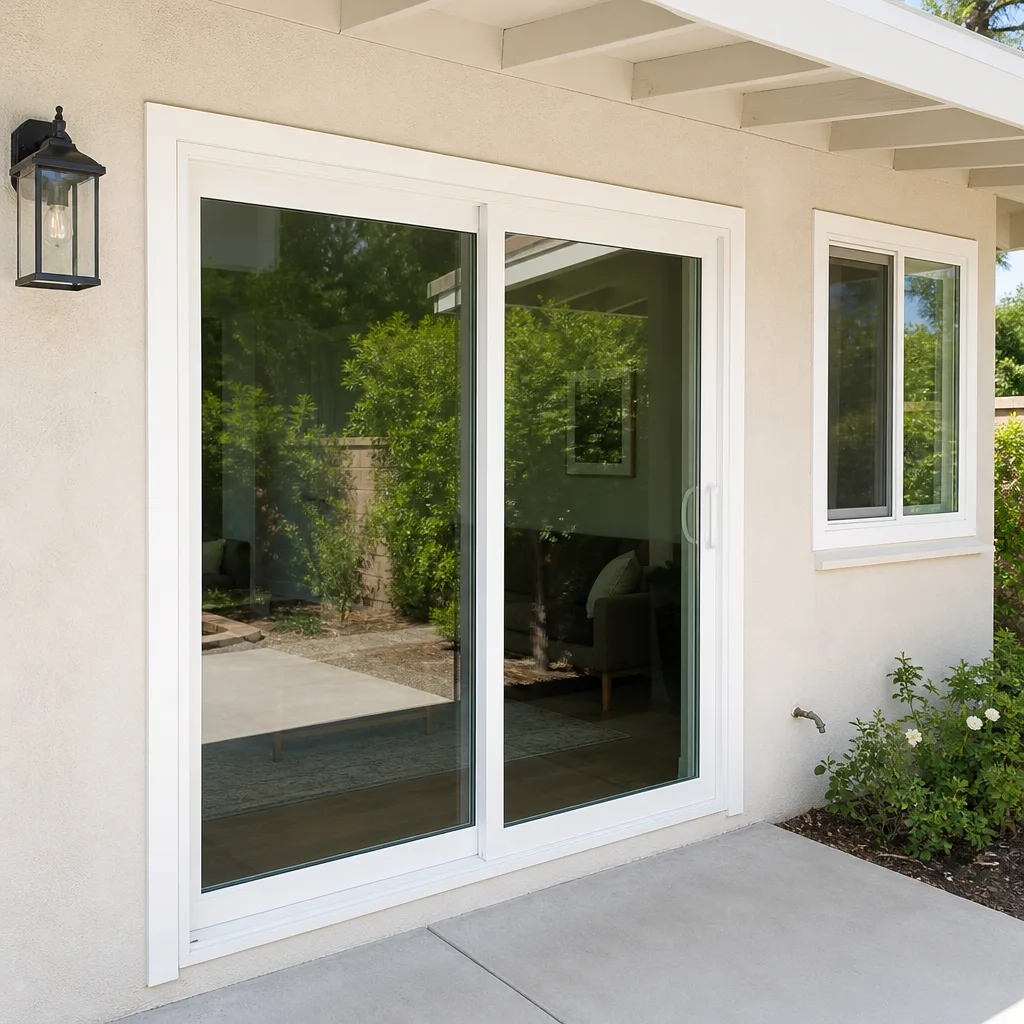 After
After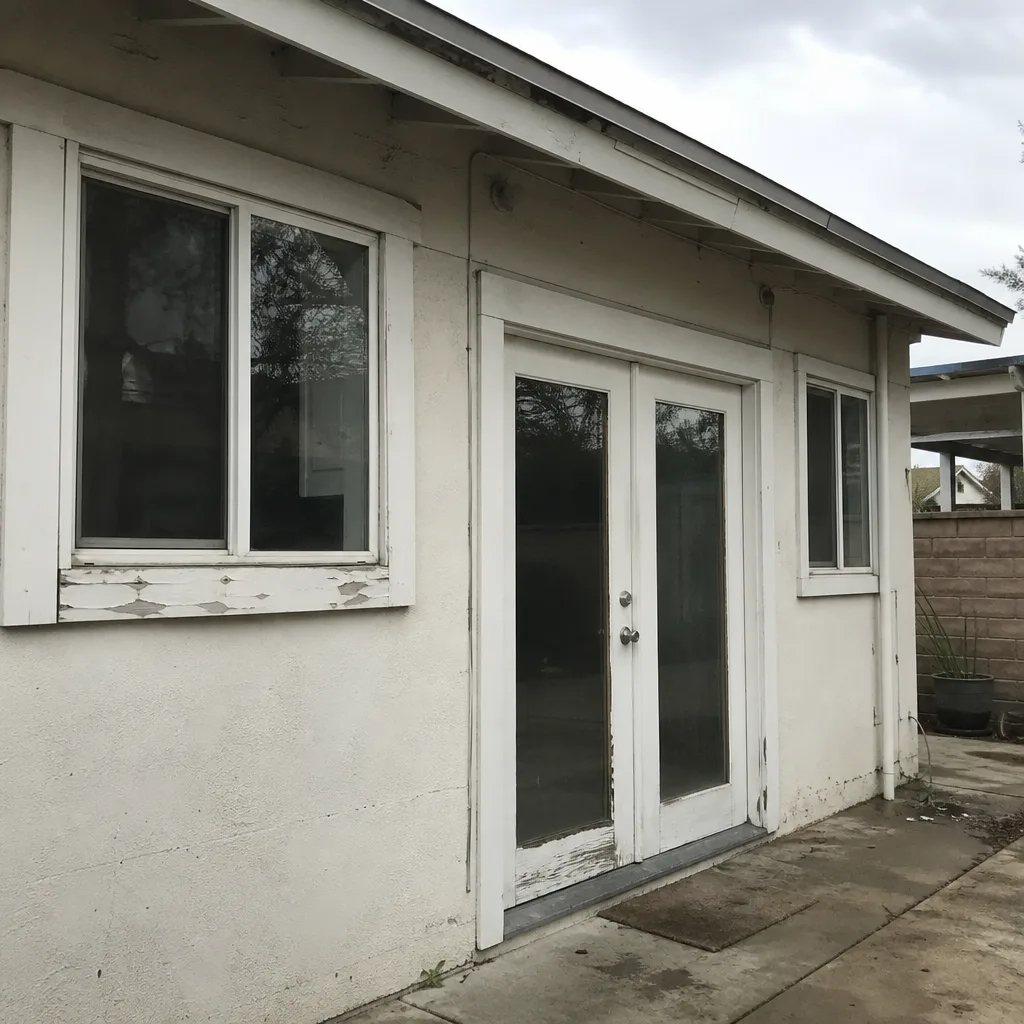 Before
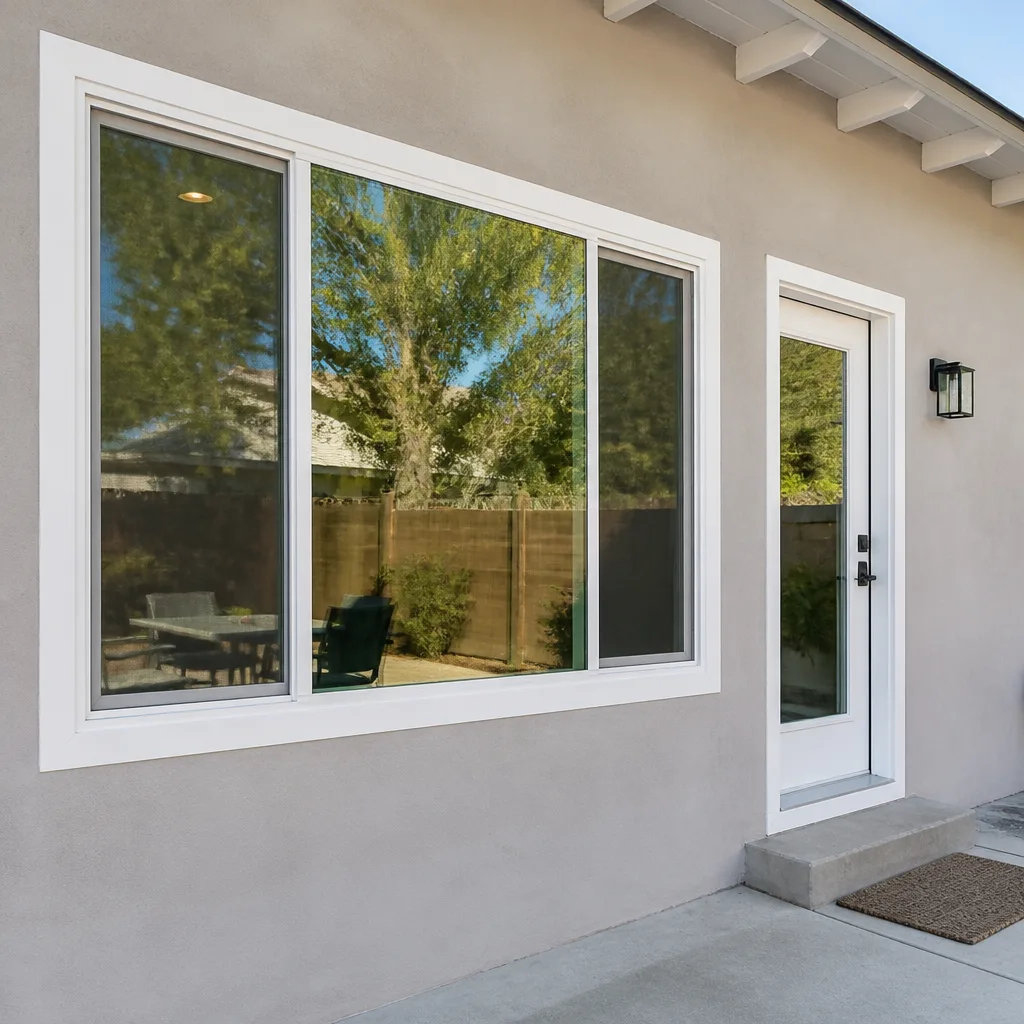 After
AfterSix Reasons Homeowners Choose Lightwell Windows Santa Clarita
Laminated glass and reinforced frames hold up to wind-driven rain, hail and flying debris, so your openings stay sealed when the weather turns.
Low-E insulated impact glass from our manufacturer lines commonly cuts monthly cooling bills 20-30%.
Laminated impact glass shuts out up to 40% of outside noise - traffic, neighbors, weather.
Monitoring services run $30-90 a month. Laminated impact glass resists forced entry around the clock, with no subscription.
Tighter seals and insulated glass even out hot and cold rooms and stop the drafts at the frame.
A full impact package upgrades curb appeal, buyer confidence and appraised value in one project.