
Last updated October 17, 2026
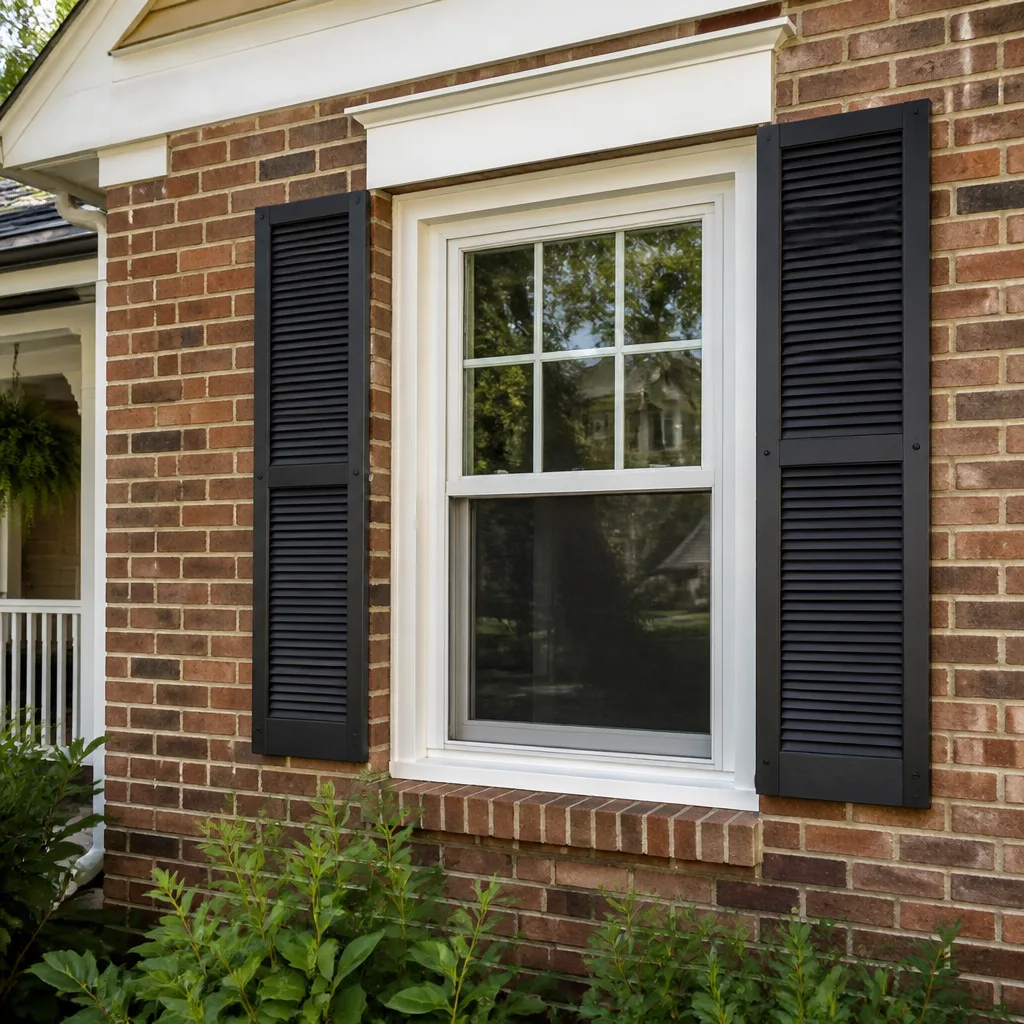 Single hung
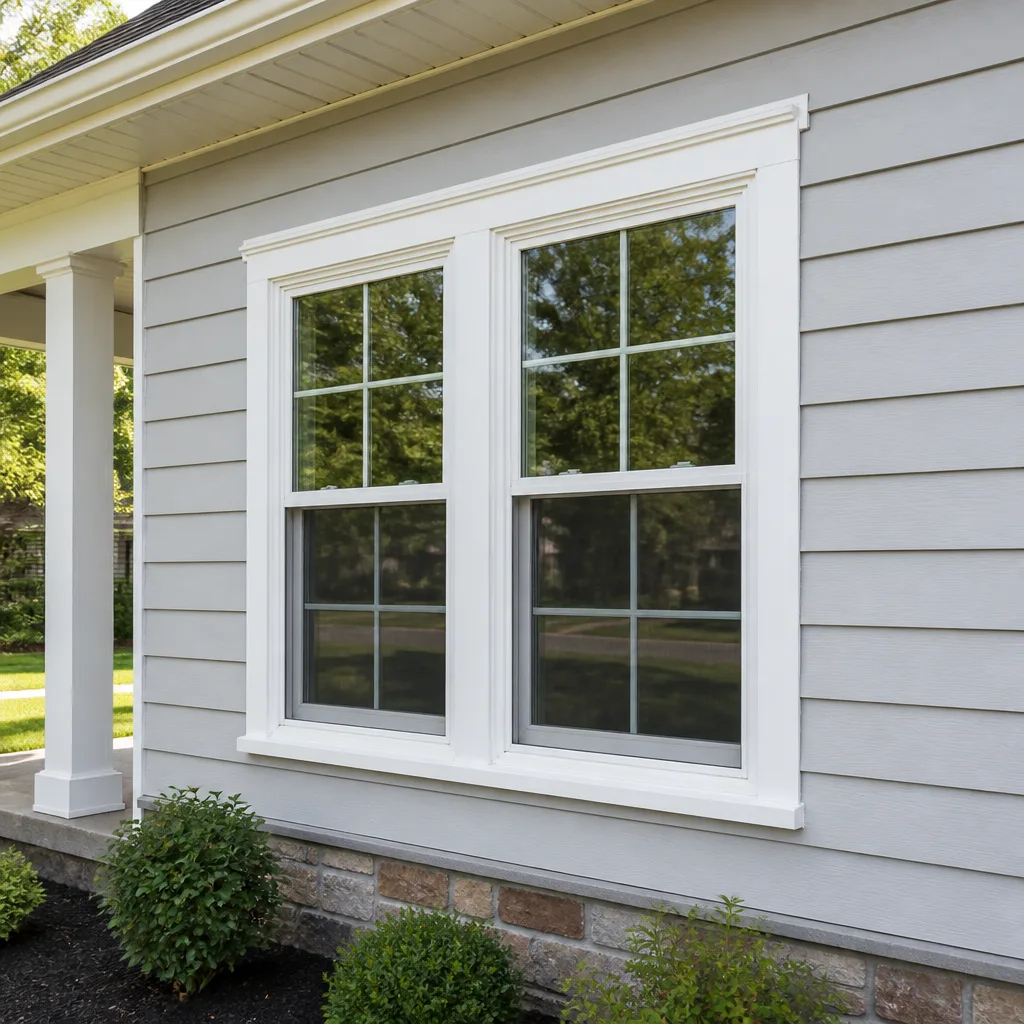 Double hung
 Horizontal roller
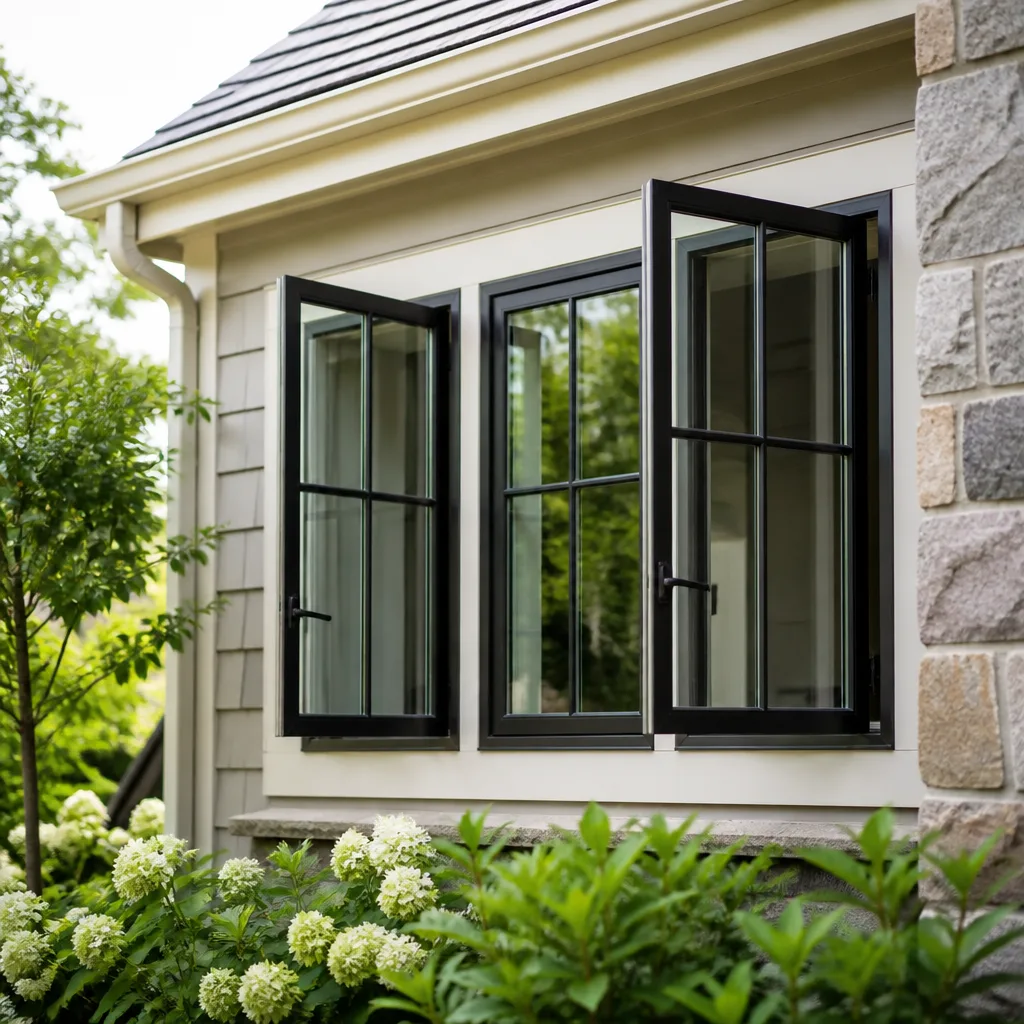 Casement
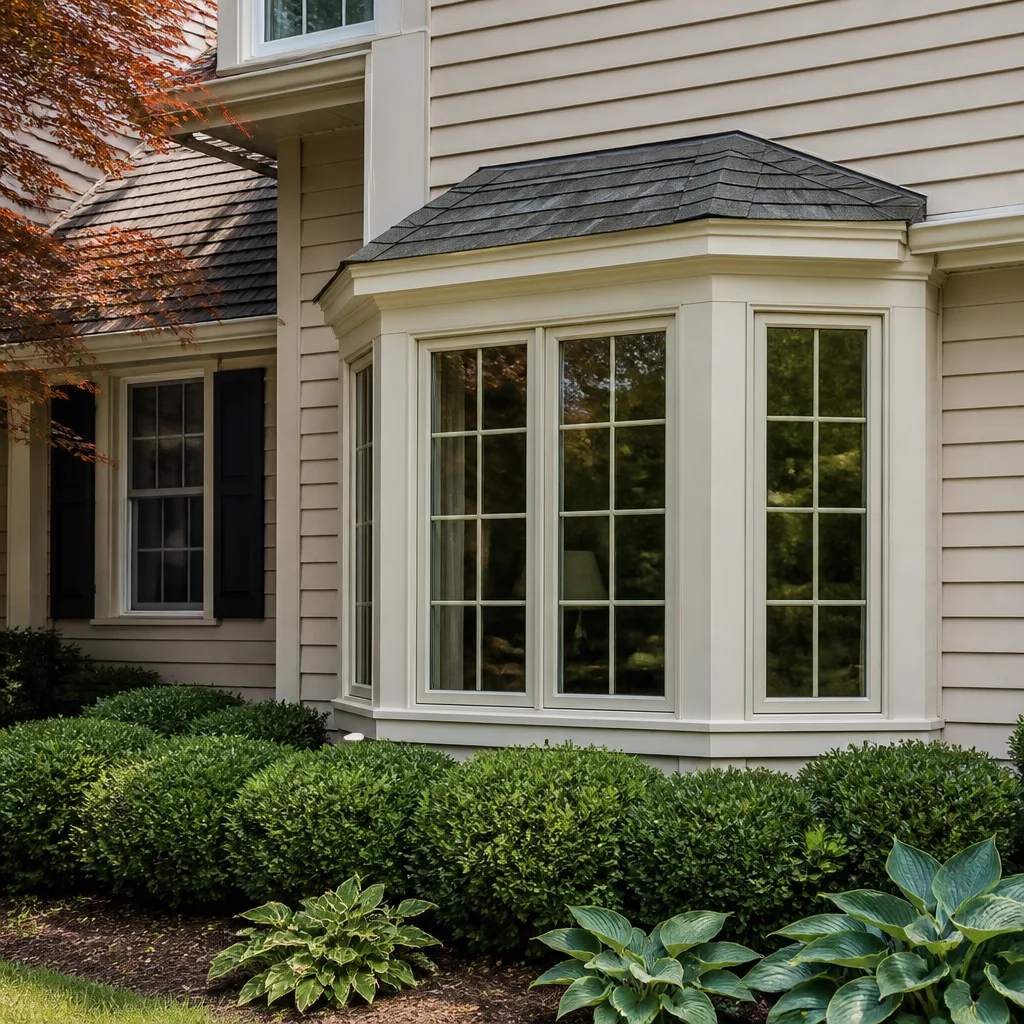 Bay & bow
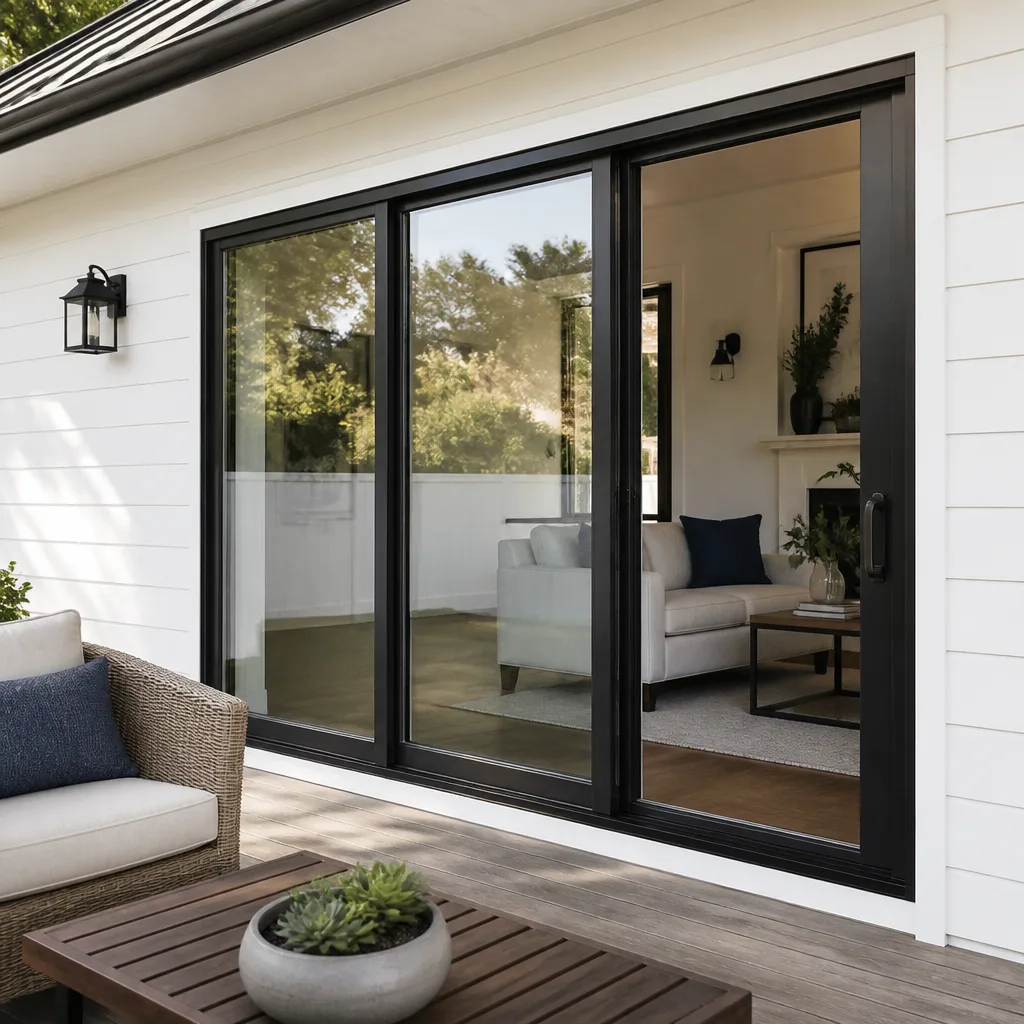 Sliding glass doors
 Entry doors
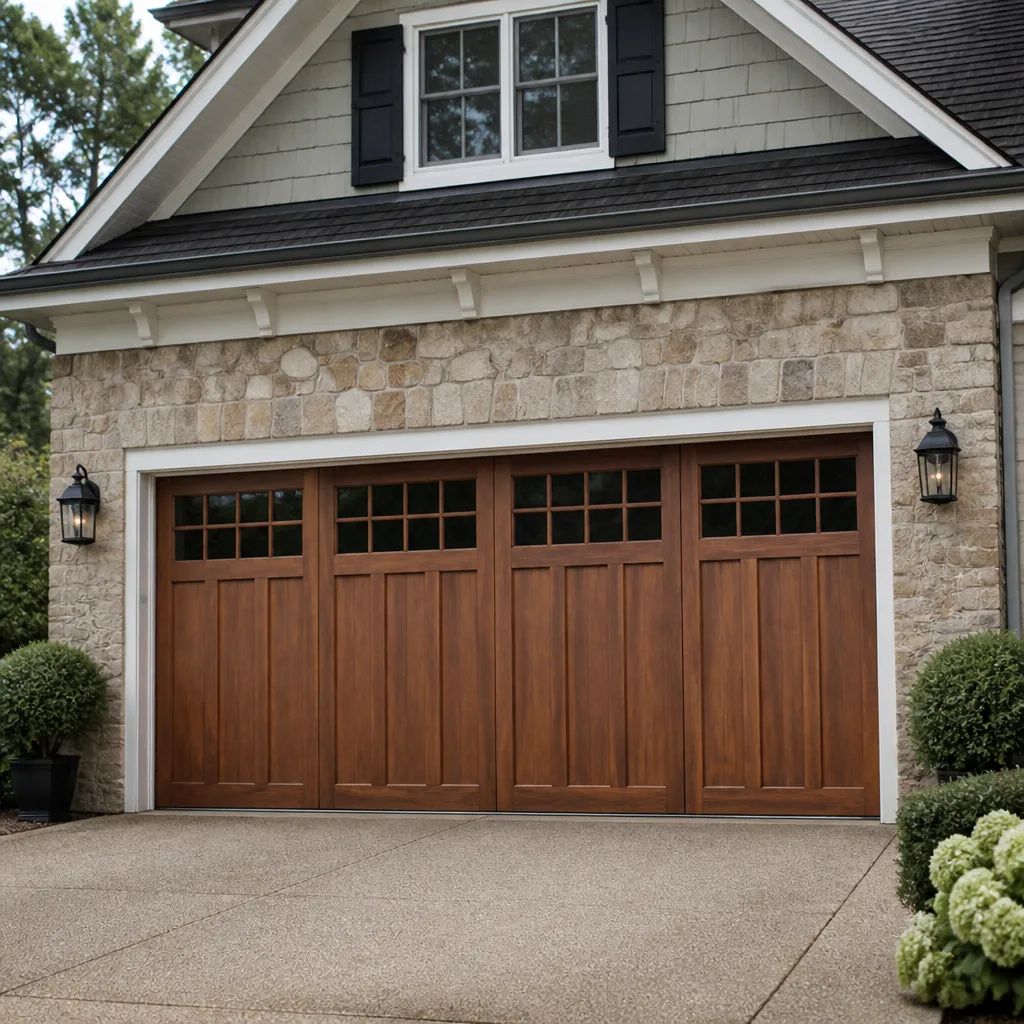 Impact garage doors
 PGT
PGT CGI
CGIFree in-home measure and quote - PGT, CGI and CWS impact lines compared on your actual openings, style by style
Get your free estimateWindow Replacement Maintenance Checklist for Santa Clarita Homeowners
The most common reason a window seal fails prematurely in the Santa Clarita Valley isn’t just age. It’s the combination of 30-mph Santa Ana gusts that flex the frame twice a year while the glass is already heat-stressed from a 105°F afternoon. In this guide, you’ll learn how to protect your investment with a maintenance routine built around the valley’s specific weather patterns, not a generic spring-and-fall template that ignores what actually happens here in Santa Clarita. For more guides & resources on protecting your home, see our blog.
Styles & brands we work with
Quick Answer
A proper window maintenance routine for Santa Clarita homeowners means inspecting seals, tracks, and weatherstripping twice a year, cleaning glass and frames quarterly, and timing deeper checks around specific local weather events: post-Santa Ana windstorms in October and November, the June gloom humidity shifts, and the fine grit that settles after fire season. Most households spend 30 to 45 minutes per window annually on basic care, which extends the life of the seal and keeps manufacturer warranties valid.
Table of Contents
- The Santa Clarita Weather Calendar: Why Timing Matters
- Month-by-Month Maintenance Checklist
- Cleaning Products and What’s Safe for Your Glass
- Inspecting Seals, Weatherstripping, and Sill Pans
- Maintenance That Preserves Warranty vs. DIY Repairs That Void It
- Post-Storm Inspection: Sill Pans, Weep Holes, and Door Sweeps
- Keeping a Simple Maintenance Log
- Common Mistakes to Avoid
- When to Call a Professional
- Frequently Asked Questions
- The Bottom Line
The Santa Clarita Weather Calendar: Why Timing Matters
Santa Clarita doesn’t have the gentle four-season rhythm that most generic maintenance guides assume. We have three dominant weather patterns, and each one stresses windows in a different way. Understanding this calendar is the difference between catching a problem when it’s a $40 weatherstripping fix and discovering a failed seal that costs $600 to $900 per opening to address. For a detailed look at pricing in our area, see our Windows & Doors Cost Breakdown: The Santa Clarita Homeowner’s Reference for 2026.
October and November bring Santa Ana winds. These aren’t ordinary breezes. Sustained 25 to 35 mph gusts with higher peaks push against window glass and frame corners repeatedly over hours. That repeated flexing is exactly what separates a seal from the glass at the edge, especially on windows that face the canyons and open terrain on the east and northeast sides of the valley. We’ve seen homes in Valencia and Stevenson Ranch where the windward side shows seal wear three to five years earlier than the leeward side of the same house.
June and July bring the marine layer. Santa Clarita sits far enough inland that the June gloom burns off most mornings, but the humidity swing between the damp overnight air and the dry 90°F afternoon creates condensation stress on window edges. This is when a failing seal shows its first symptom: fog between the panes that appears in the morning and clears by noon.
August through October is fire season. Even when the fire is miles away, the fine particulate grit lands on every exterior surface, including window tracks, weep holes, and weatherstripping. That grit is abrasive. Left in a track, it accelerates wear on rollers and the weatherstrip every time the window opens or closes. It’s also mildly corrosive when it sits in weep holes, where moisture from overnight condensation keeps it damp long after the fire is contained.
Key takeaway: In Santa Clarita, your maintenance calendar should cluster around November (post-wind), June (pre-humidity), July (post-gloom), and August through October (grit control). This is not a spring-and-fall schedule. It’s a valley-specific rhythm.
Month-by-Month Maintenance Checklist
Here is a 12-month schedule built for Santa Clarita conditions. You can start in any month. The goal is to build the rhythm and catch problems in the season they occur, not months later when the damage has had time to compound.
January: Track and Roller Inspection
- Open every operable window fully, one at a time.
- Listen for scraping, grinding, or resistance that wasn’t there in the fall.
- Vacuum the bottom track with a brush attachment to remove the fine dust that accumulated during December winds.
- Check that the window locks firmly and the sash seats evenly in the frame. An uneven gap of more than 1/8 inch between sash and frame is a “watch it” item for the spring.
February: Glass Check and Interior Condensation Probe
- Wipe down all glass with a clean microfiber cloth and plain warm water.
- With the glass clean, look at it from a sharp angle in morning light. Any haze, fog, or streaks that are between the panes indicate a seal failure. Mark it in your log.
- Check for any new chips or cracks, especially on windows that face the street or a neighbor’s driveway where a stray rock from a mower can hit.
March: Weatherstripping Sweep
- Run your finger along the weatherstripping on every window and exterior door. It should feel springy, not flattened or brittle.
- Close the window on a dollar bill. If you can pull the bill out with no resistance, the seal is no longer tight enough to stop air movement. That’s a “replace now” threshold, not a “watch it.”
- Check the corners of the weatherstripping. Corners fail first because the material is stretched at a sharp angle. Look for gaps or tears.
April: Exterior Frame and Caulk Inspection
- Walk the exterior perimeter of the home. Look closely at the caulk joint where the window frame meets the stucco or siding.
- Caulk that is cracked, pulling away, or chalky to the touch is no longer doing its job. In Santa Clarita’s dry air, caulk fails faster than in coastal climates.
- Mark any gap wider than 1/16 inch for replacement. Siliconized acrylic or polyurethane caulk rated for exterior use is appropriate for most frames.
May: Pre-Summer Glass Cooling Check
- On a warm afternoon, place your hand near the interior face of west- and south-facing windows. If the glass itself is radiating noticeable heat into the room, the low-E coating may be failing or the window may not be appropriate for western exposure.
- Check the operation of any window coverings. Dust on blinds and shades is abrasive and can scratch window film or coatings when blown by ceiling fans.
- Vacuum the window sills and the gap between the sill and the interior trim. This is where the June gloom humidity will settle overnight and turn dust into grime.
June: Pre-Humidity Weep Hole Audit
- Locate the weep holes along the bottom exterior edge of every window. These small openings let water drain from the frame track.
- Use a soft brush or compressed air to clear any accumulated dust, spider webs, or grit.
- Test the weep holes by pouring a small amount of water into the track from the outside. If the water does not drain within a minute, the weep holes are blocked. That’s a “fix this week” item, because June gloom condensation will pool in the track and soak the weatherstripping.
July: Post-Gloom Seal Monitoring
- For two to three mornings in a row, check windows on the north and east sides for between-the-panes fog when you wake up.
- If fog appears in the morning and clears by midday, note the window and the date in your log. This is an early seal failure marker. Continue to monitor monthly.
- If the fog persists all day or appears as a permanent haze, the seal has fully failed. That’s a replacement conversation.
August: Fire Season Grit Removal
- Vacuum or wipe every horizontal exterior surface: bottom tracks, sill pans, and the top edges of the lower sash.
- Rinse exterior glass with plain water from a garden hose on a gentle setting. Do not use a pressure washer; the force can drive water into the frame and damage the seal. A soft car-wash brush on a pole works well.
- Wipe down exterior weatherstripping with a damp cloth. Do not use solvents on weatherstripping; they dry out the rubber.
September: Hardware Lubrication and Adjustment
- Apply a small drop of dry silicone lubricant to the moving parts of window locks, tilt latches, and crank mechanisms. Do not use WD-40. It leaves a residue that attracts grit.
- Operate every window three to four times after lubricating to distribute the lubricant.
- Tighten any visible screws on handles and lock mechanisms. Loose handles stress the lock body and can strip the mounting holes.
October: Pre-Santa Ana Fastener Check
- Walk the home’s exterior and check every window for loose trim, loose screens, or visible gaps that will worsen when the winds arrive.
- Remove window screens and store them in a garage or shed if you have the space. Screens catch wind like a sail and can pull loose or tear.
- Close and lock every window. A locked window is far more rigid in wind than an unlocked one because the lock ties the two sashes together.
November: Post-Wind Damage Audit
- This is the most important inspection of the year. Do it within a week of the first serious Santa Ana event.
- Look for new air leaks by holding a tissue near the edges of each closed window on the windward side. If the tissue flutters, the wind has compromised the weatherstripping.
- Check for visible frame movement. A gap that opens and closes when you press on the frame corner means the window has loosened in the rough opening. Mark it for professional evaluation.
- Inspect the exterior caulk for new cracks. Santa Ana winds are dry and can shrink caulk that was already marginal.
December: Records Review and Next-Year Planning
- Pull out your maintenance log and review every note from the year.
- List any window that showed a “watch it” condition more than once. Those windows are candidates for preemptive replacement before the next wind season.
- Set a reminder for February to start the cycle again.
If this calendar feels like more than you have time for, pick the three highest-value inspections: November (post-wind), June (weep holes), and August (grit removal). Those three address the environmental stressors that do the most damage in Santa Clarita.
Cleaning Products and What’s Safe for Your Glass
Not all window glass in Santa Clarita is the same. Many replacement windows built for this climate use low-E coatings, and some homes have tinted glazing to manage western and southern exposure. The wrong cleaner on the wrong glass can etch the surface or degrade the coating, and that damage is rarely covered by warranty.
Here’s the rule we tell every homeowner: for routine cleaning, warm water and a clean microfiber cloth is enough. Soap is not necessary. If you want more cleaning power, use a few drops of mild dish soap in a gallon of warm water. Rinse thoroughly with plain water and dry with a lint-free cloth. That’s the entire regimen for most glass.
Never use ammonia-based cleaners on tinted glazing or low-E glass. Ammonia reacts with the metallic oxide layer in low-E coatings and can cause the coating to haze or peel over time. The damage starts invisible and becomes obvious within a year or two. This rules out most blue glass cleaners on the shelf. Check the label. If it says “ammonia” or “ammonium hydroxide,” do not use it on replacement windows.
Vinegar is safe on plain glass but should be avoided on tinted films. The acid in vinegar is mild, but repeated use can degrade the adhesive on aftermarket window film. If your windows have a film applied to the interior surface, plain water and a clean cloth is the safest option.
For frames and sashes, the rules depend on the material:
- Vinyl frames: Warm water, mild dish soap, and a soft cloth. Avoid abrasive scrub pads, which scratch the surface. Avoid petroleum-based solvents, which can soften and discolor vinyl over time. If the vinyl is chalky, it has begun UV degradation and should be evaluated.
- Aluminum frames: Same mild soap approach. Be aggressive with rinsing, because soap residue left in aluminum corners accelerates oxidation. If the aluminum shows white powdery corrosion, clean it with a baking-soda-and-water paste, rinse thoroughly, and dry. This is cosmetic, not structural, but it spreads if ignored.
- Wood and fiberglass frames: Wipe with a barely damp cloth. Do not let water sit on wood. Check the paint or stain for cracking, particularly on the bottom rail where water would collect if the exterior seal leaks.
Manufacturers that supply windows to our area, including PGT and CGI, publish specific cleaning specs for their glass packages. The general guidance above is safe for all of them. If you’re unsure what coating your glass has, look at the corner of the glass or the spacer between panes for a manufacturer etching. Or check your original paperwork; the glass package should be listed there. When we install windows from brands like CWS or ViewLux here in Santa Clarita, we leave the specific care instructions with the homeowner at completion because the details genuinely vary.
Inspecting Seals, Weatherstripping, and Sill Pans
These three components do most of the work keeping your Santa Clarita home comfortable and your energy bill predictable. They also fail silently. A torn weatherstrip doesn’t announce itself; it just lets conditioned air escape until the AC runs longer than it should.
Weatherstripping inspection is a touch test, not a visual test. Weatherstripping that looks fine can be completely flattened. Here’s the sequence we walk homeowners through:
- Close and latch the window.
- Run your finger along the entire length of the weatherstrip on all four sides.
- Press on the weatherstrip with a fingernail. If it springs back, it’s still doing its job. If it stays depressed, it has lost its compression memory and needs replacement.
- Slide a dollar bill between the sash and frame. If it pulls out easily at any point, the seal at that point is no longer air-tight.
Seal inspection is a visual test with a flashlight. The seal between the glass panes is hidden inside the frame, but you can see its condition from the interior edge. With a bright flashlight held close to the glass surface at a low angle, look for any of the following:
- Fog or haze between the panes (moisture inside the sealed unit)
- A milky film spreading from the edges toward the center
- Visible moisture droplets, even if they come and go
- Distortion in the glass that wasn’t there when the windows went in
Sill pan inspection happens outside. The sill pan is the sloped surface under the window that directs water away from the wall. In Santa Clarita, it catches sprinkler water, drips from the roofline, and the rare but real winter rain. Here’s what to check:
- Run the length of the sill pan and make sure the slope still pitches away from the house. Flat or reverse-sloped sill pans let water pool against the frame.
- Look for pitting, cracking, or corrosion. Aluminum sill pans in our dry climate can pit over years of UV exposure even without moisture.
- Check that the sill pan extends past the exterior wall surface on both ends. If it terminates flush with the stucco, water can wick back into the wall cavity.
Replace-now versus watch-it thresholds: Replace the weatherstripping as soon as the dollar-bill test fails or the material no longer springs back. Replace the caulk when you see cracks wider than 1/16 inch. Document a seal that fogs only occasionally and monitor it monthly; call a professional when the fog becomes persistent or the haze is visible in direct sun.
For a broader look at what goes into a full Window Replacement in Santa Clarita, our guide walks through materials, timing, and what to expect from start to finish.
Maintenance That Preserves Warranty vs. DIY Repairs That Void It
Manufacturer warranties on Window Replacement services are specific documents, and they all share the same fundamental assumption: the homeowner will perform reasonable maintenance. Neglect can void a warranty. But so can the wrong kind of DIY repair, and this is where we see homeowners make the most expensive mistakes.
What preserves a warranty:
- Annual or semi-annual cleaning of glass, frames, and tracks
- Keeping weep holes clear
- Replacing worn weatherstripping with a manufacturer-approved material
- Re-caulking the exterior joint when the old caulk fails
- Documenting everything in a written log
What voids a warranty, quietly:
- Using an ammonia-based cleaner on low-E or tinted glass. The coating failure is classified as owner-inflicted damage.
- Applying window film to the interior surface of low-E glass. Some manufacturers specifically exclude warranty coverage when aftermarket film is installed because the trapped heat can overheat the sealed unit.
- Painting over the weatherstripping or sealing the weatherstrip to the frame. This prevents the material from doing its job and is listed as an owner modification.
- Replacing the weatherstripping with an unbranded generic material that doesn’t match the original profile. An incorrect profile gaps in the corners and lets water reach the sill channel.
- Removing or altering weep hole covers. These small parts are often functional, not decorative, and removing them changes drainage behavior.
The caulks and lubricants that manufacturers approve are usually listed in the warranty booklet. As a general rule, use a neutral-cure silicone caulk on glass-to-frame joints and a siliconized acrylic caulk on frame-to-wall joints. For lubricants, dry silicone spray or a PTFE-based lubricant is safe on virtually all window hardware. Avoid petroleum-based products anywhere near vinyl or rubber; they soften the material and accelerate wear.
One more note on this from experience in Santa Clarita specifically: the warranty exclusions that matter most here are UV-related. Our dry air and long sun season mean that vinyl and seal materials are already under more UV stress than they would be in coastal areas. Using the right cleaner and the right lubricant is not about being fussy. It’s about not pushing a material that is already working harder here than in most of the country.
Post-Storm Inspection: Sill Pans, Weep Holes, and Door Sweeps
Santa Clarita storms are rarely gentle. When rain does arrive, it often comes fast, and the dry ground can’t absorb it quickly. Water sheets off roofs and runs down exterior walls. This is when your sill pans, weep holes, and door sweeps either do their job or quietly fail.
Do this inspection within 48 hours after any significant rain:
- Check the interior of every window sill for water marks or damp drywall. A stain that appears after a storm means water is getting past the sill pan or the exterior caulking has failed at the top of the window. This is a “call a professional” condition, because the water is entering the wall cavity, not just the window.
- Test the weep holes again. Rainwater that pooled in the track should have drained within an hour or two of the storm ending. If it didn’t, the weep holes are clogged with grit or the sill pan is not sloping.
- Inspect door sweeps on every exterior door. A door sweep that has hardened, torn, or pulled away from the door bottom lets rain blow in during windy storms. Run your hand under the closed door. You should feel the sweep contact the threshold along the full width.
- Look at the bottom corner of every window frame from the outside. This is the lowest point of the frame and the first place water damage shows. Dark staining, soft caulk, or bubbling paint here means water has been sitting.
If you find water entry, do not wait. The wall cavity in a Santa Clarita home dries slowly in summer and not at all in winter, and that’s how a small leak becomes a mold and framing repair. A quick call to Lightwell Windows Santa Clarita home line is the fastest way to get an experienced set of eyes on it, and the estimate is free.
For homes with existing Window Installation in Santa Clarita that predates the current owner, a post-storm inspection is also the right time to check whether the original install included proper flashing at the head. Improper flashing is the most common reason older installations leak at the top corners during heavy wind-driven rain.
Keeping a Simple Maintenance Log
The maintenance log is the least glamorous part of this guide, but it’s the one that pays off most directly. When a window seal fails, the question the manufacturer asks is whether the window was maintained. Your written log is the evidence. When a buyer’s inspector asks about the windows during a sale, the log answers the question before it becomes an objection.
A basic log doesn’t need to be complicated. A single notebook or a simple spreadsheet works. Here’s the template we recommend:
- Date: Month and year of the inspection
- Window ID: Use a consistent naming scheme. “Living room, west wall, right of fireplace” is better than “window 3.”
- Cleaning done: Glass cleaned, tracks vacuumed, weep holes cleared
- Condition note: Any change from the previous inspection: new fog, weatherstripping flattened, caulk crack found
- Action taken: What you did about it: re-caulked, replaced weatherstripping, called for quote
- Follow-up needed: The “watch it” items you want to check again next cycle
Keep the log with your home records, not in the junk drawer. When you eventually need service, bring it to the conversation. A contractor who can see three years of consistent maintenance knows the problem is likely a manufacturing issue, not neglect, and that changes the warranty conversation entirely. Keith Yamada has had homeowners hand him logs that made a warranty claim straightforward where it otherwise would have been a fight.
If you’d rather not keep a paper log, a photo folder on your phone works. Take a short video walkthrough of every window twice a year, narrating what you see. The date and voiceover are enough to establish the maintenance pattern.
Common Mistakes to Avoid
- Using ammonia-based cleaner on low-E glass. The ammonia reacts with the metallic coating and causes irreversible hazing. If the bottle says “ammonia” anywhere on the label, keep it away from replacement windows. Most blue glass cleaners fall into this category.
- Pressure washing windows and frames. The force drives water past the weatherstripping and into the frame cavity, where it sits against the seal and the inner frame. In Santa Clarita’s dry air, this water evaporates slowly and leaves mineral deposits behind that can block weep holes and track rollers.
- Ignoring spring-return weatherstripping until it falls off. Weatherstripping doesn’t fail all at once. It flattens gradually, and every month it’s flat is a month your AC is working harder than it needs to. If your energy bill creeps up in spring, check the weatherstripping before you call the HVAC company.
- Closing windows on dirt and grit. That fine fire-season dust is abrasive. Closing a window with grit in the track grinds the weatherstripping and the bottom rail. Wipe the track before you operate the window, not after.
- Skipping the exterior walkaround because “it’s just a window.” The exterior caulk joint and sill pan catch problems you can’t see from inside. The most expensive water damage starts at the exterior joint and reveals itself inside months later.
- Documenting nothing. A warranty claim without a maintenance record is a negotiation. With a log, it’s a process. This is the single highest-return habit in this entire guide.
- Replacing weatherstripping with whatever’s cheapest at the hardware store. The profile has to match. A generic strip that’s too thin gaps in the corners. One that’s too thick makes the window hard to close and stresses the lock. If you can’t identify the original profile, ask a professional to source the match.
When to Call a Professional
Most of this guide covers work you can do on a Saturday morning. But there are conditions where the right move is to stop and make a call. Persistent fog between the panes that doesn’t clear means the sealed unit has failed and replacing it is a contractor job. Water stains inside the home after rain means water is entering the wall cavity, and that needs diagnosis, not caulk. A frame that moves when you press on it means the window has loosened in the opening. Any of these findings after the November wind audit or a winter storm warrants a professional look. Lightwell Windows Santa Clarita offers free estimates in Santa Clarita, and we put the written price in your hand before any work starts. Call (661) 430-5327 and a live person will answer. If the answer to your problem is a $15 part and ten minutes of work, we’ll tell you that too. The goal is a window that works, not a sale that didn’t need to happen.
If you’re thinking about replacement or considering how your current windows compare to what’s on the market now, our Window Replacement in Santa Clarita page walks through materials, brands, and pricing in plain terms. And if the door sweeps we mentioned earlier are beyond saving, see our Door Installation in Santa Clarita guide for when a sweep replacement turns into a door conversation.
Frequently Asked Questions
Clean the glass quarterly and the tracks monthly during fire season (August through October). The valley’s fine dust and grit accumulate quickly, and grit in the tracks wears weatherstripping and rollers every time the window is operated. A quick vacuum of the bottom track takes under a minute per window and is the highest-value cleaning habit for this climate. Call (661) 430-5327 if you need help identifying what’s normal wear and what’s a developing problem.
Most window replacements in Santa Clarita run between $700 and $1,600 per opening depending on the material, glass package, and installation complexity. Premium impact-rated products from brands like PGT or CGI land at the higher end of that range. The only way to get an accurate number for your home is an in-person quote. Call (661) 430-5327 for a free estimate, and you’ll get a written price before any work begins.
Warm water and a clean microfiber cloth are safe on every glass type, and a few drops of mild dish soap per gallon of warm water is enough for dirtier windows. Avoid ammonia-based cleaners entirely on low-E or tinted glass; the ammonia degrades the coating. Avoid vinegar on aftermarket window film. Rinse thoroughly and dry with a lint-free cloth.
Look for fog or haze between the glass panes that doesn’t wipe away. Early seal failure shows as morning fog on the inside of the sealed unit that clears by midday; full failure shows as permanent haze or visible moisture droplets. If you see either, note the date and monitor monthly. Persistent fog means it’s time to talk about replacement.
Yes. Every major window manufacturer requires reasonable maintenance as a condition of warranty coverage, which means cleaning, keeping weep holes clear, and replacing worn weatherstripping when it fails. The wrong cleaner, an aftermarket window film, or a poorly matched weatherstripping replacement can void the warranty. Keep a written log of what you do and when.
After any serious Santa Ana event, check the windward windows for air leaks, new caulk cracks, and frame movement. Use the dollar-bill test on weatherstripping and a tissue near the window edges to find drafts. Check exterior screens for damage and store them for the season if you can. Document any change in your maintenance log and call (661) 430-5327 if you find a gap that wasn’t there before the storm.
The Bottom Line
Windows in Santa Clarita face a specific set of stressors: Santa Ana wind flexing, summer heat stress, June gloom humidity swings, and fire-season grit. The maintenance routine that works here is built around those events, not a generic spring-and-fall template. Clean quarterly. Inspect after every windstorm and every rain. Keep weep holes clear in June, remove grit in August and September, and use only ammonia-free cleaners on coated glass. Document everything. And when a problem crosses the line from maintenance to replacement, call us at (661) 430-5327. We’ll give you a written price before any work starts, treat your home like it’s our own, and stand behind the result.
Written by Keith Yamada, Owner at Lightwell Windows Santa Clarita, serving Santa Clarita since 2010.
See the difference
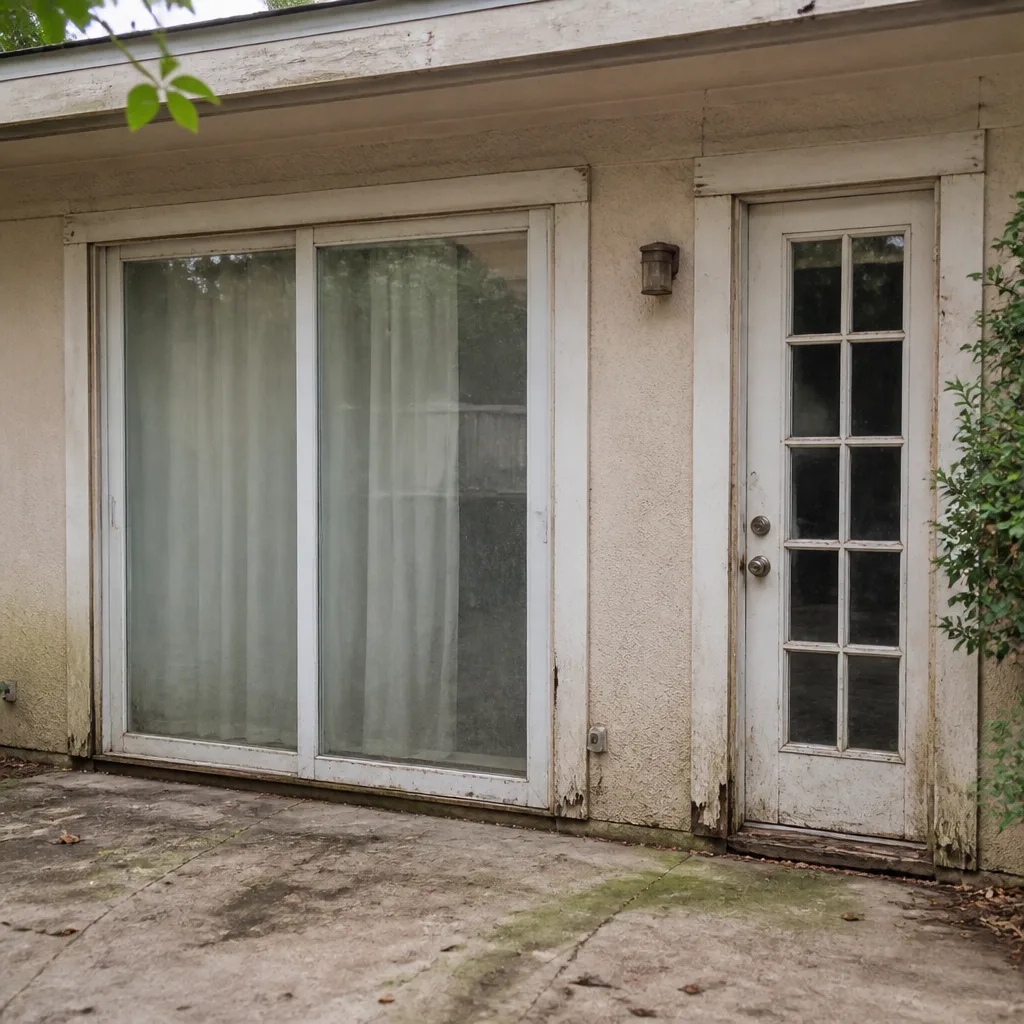 Before
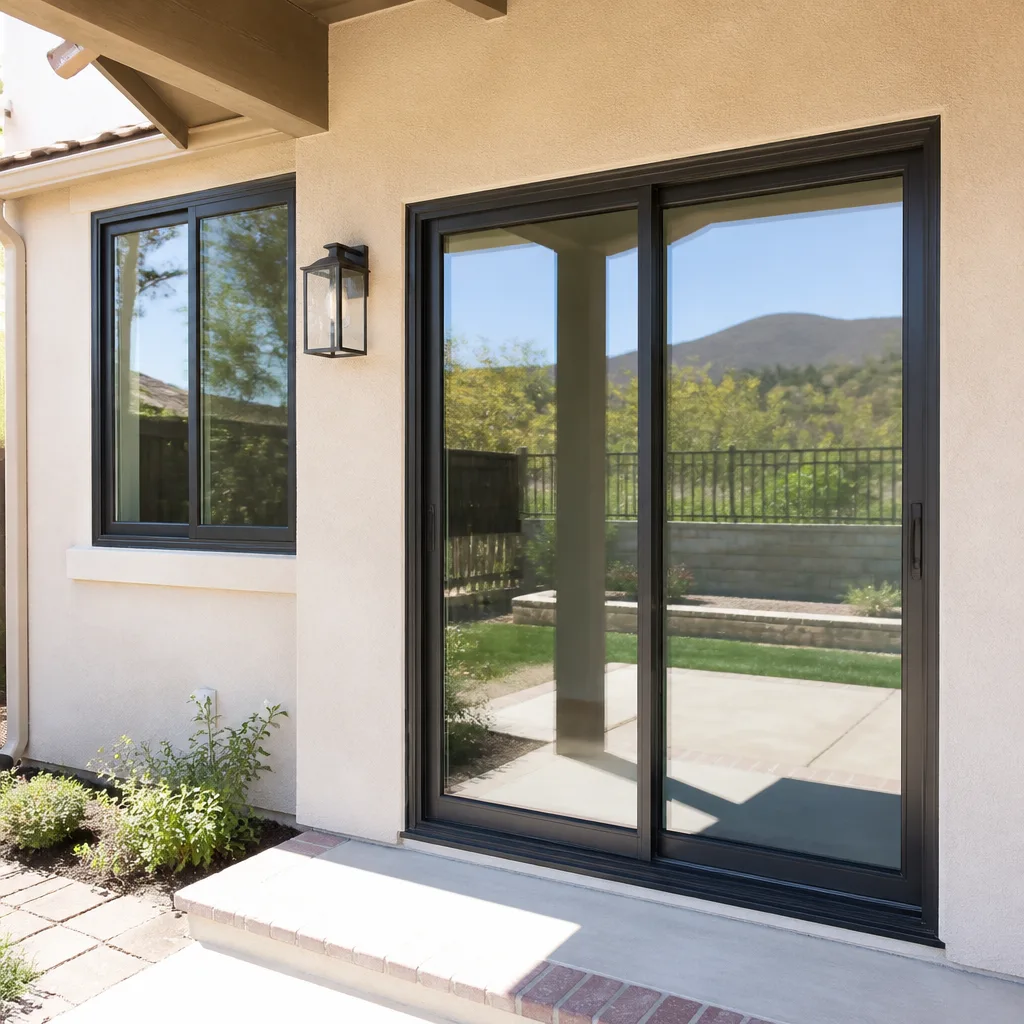 After
After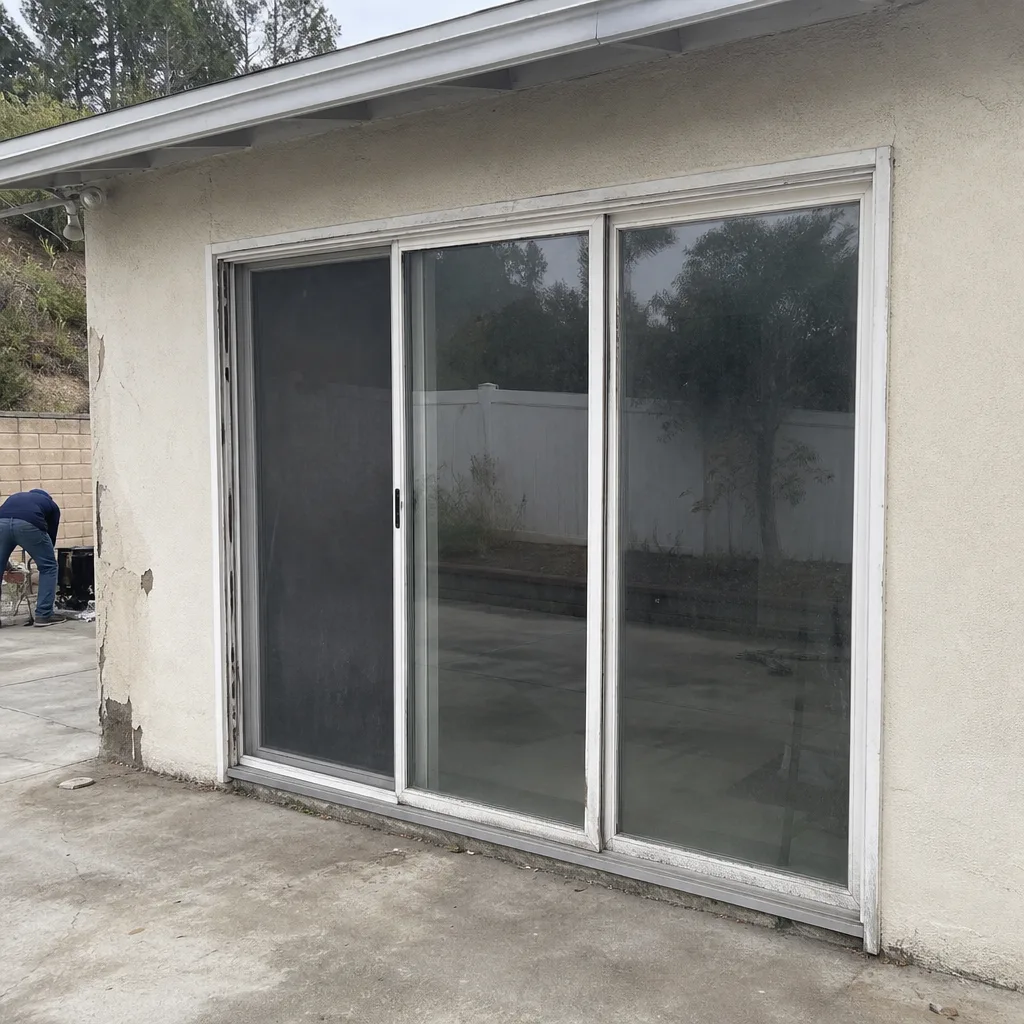 Before
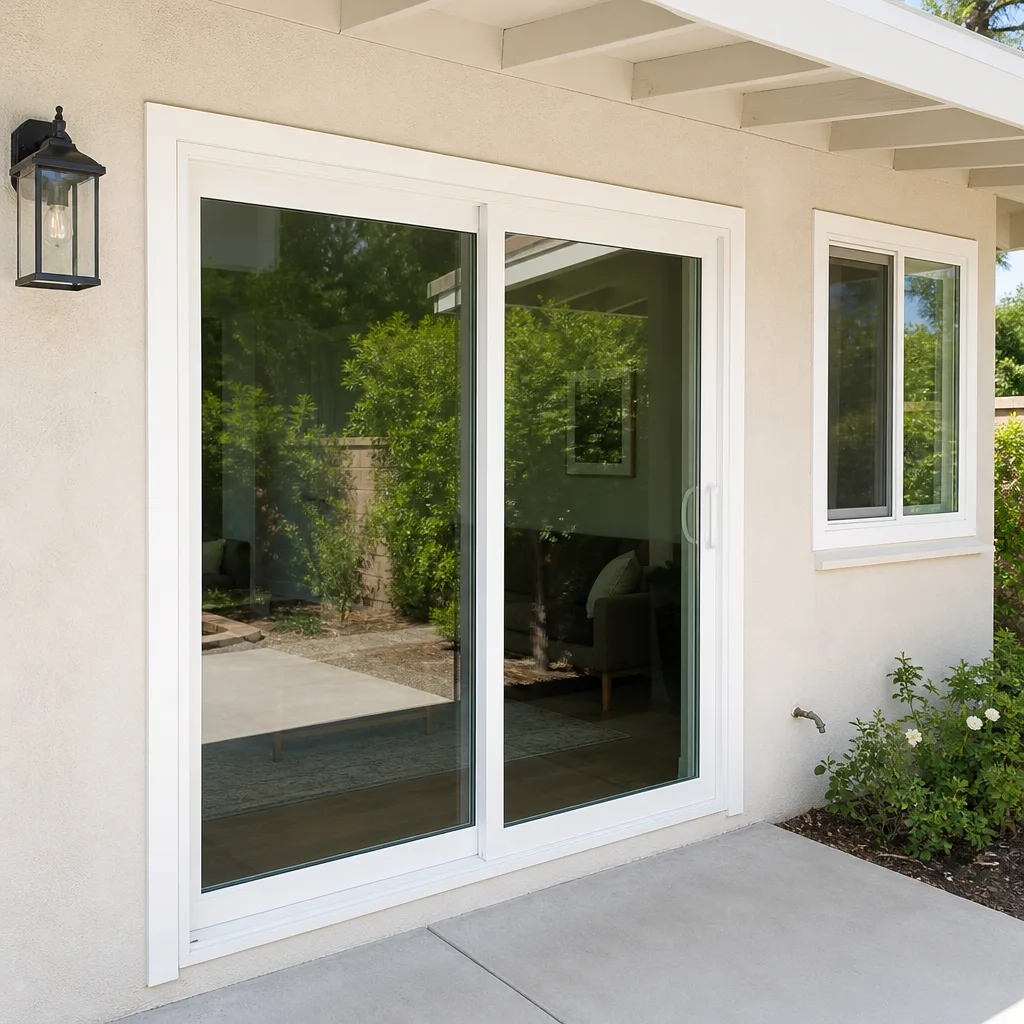 After
After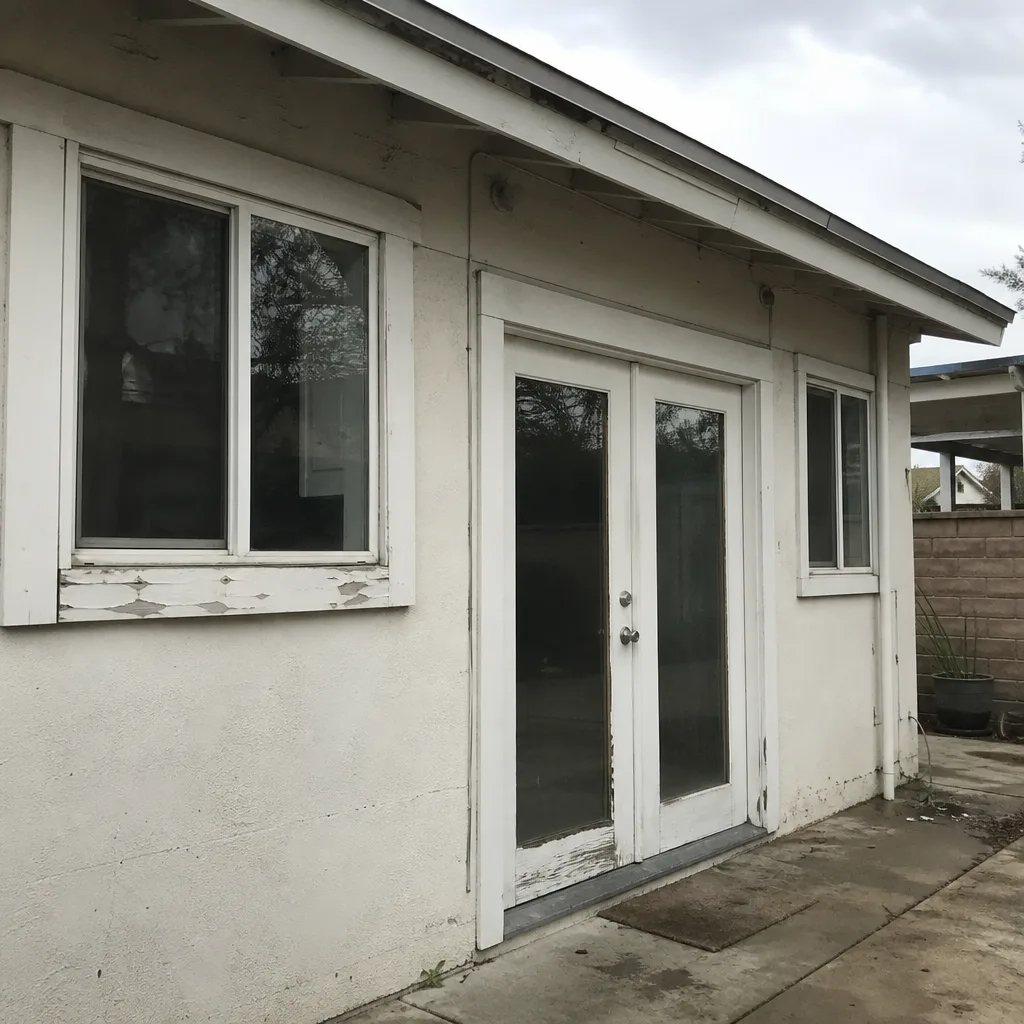 Before
 After
AfterSix Reasons Homeowners Choose Lightwell Windows Santa Clarita
Laminated glass and reinforced frames hold up to wind-driven rain, hail and flying debris, so your openings stay sealed when the weather turns.
Low-E insulated impact glass from our manufacturer lines commonly cuts monthly cooling bills 20-30%.
Laminated impact glass shuts out up to 40% of outside noise - traffic, neighbors, weather.
Monitoring services run $30-90 a month. Laminated impact glass resists forced entry around the clock, with no subscription.
Tighter seals and insulated glass even out hot and cold rooms and stop the drafts at the frame.
A full impact package upgrades curb appeal, buyer confidence and appraised value in one project.