
Last updated October 17, 2026
 Sliding glass doors
 Single hung
 Double hung
 Horizontal roller
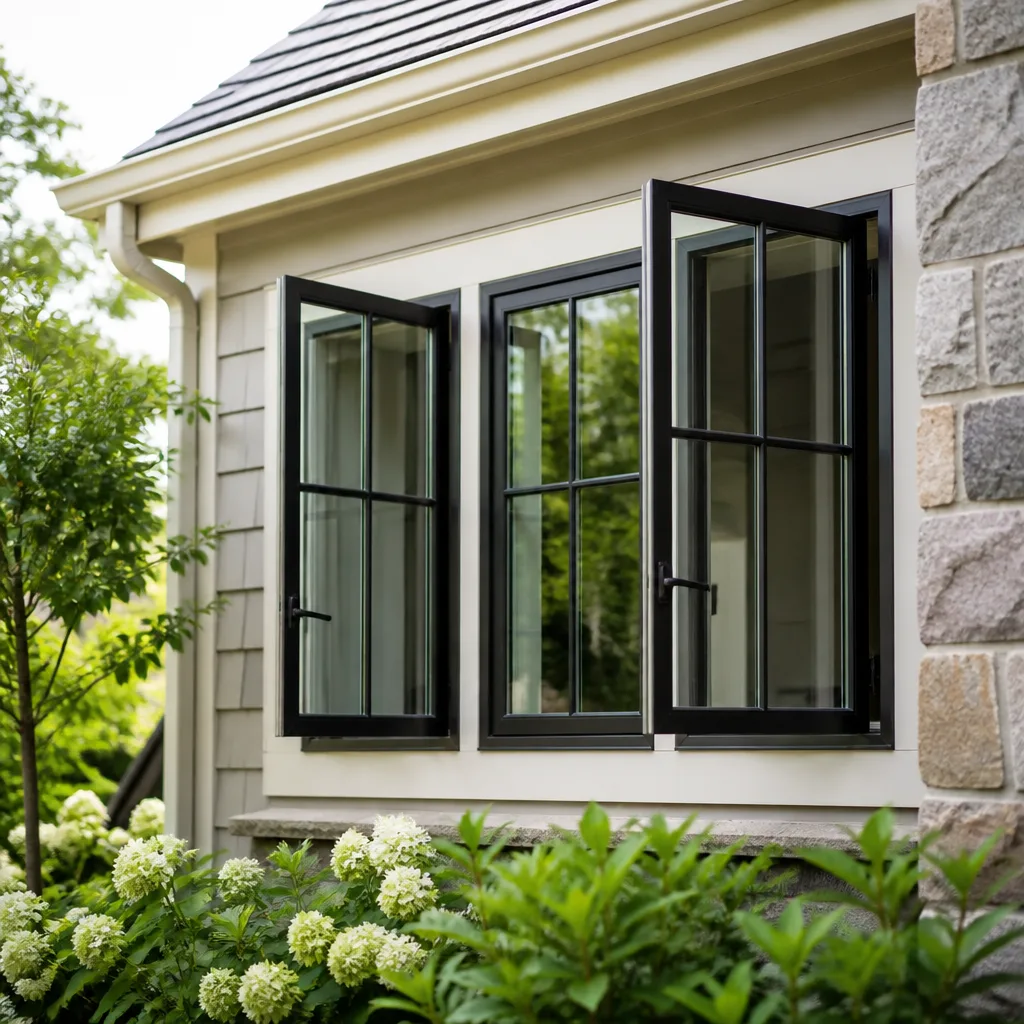 Casement
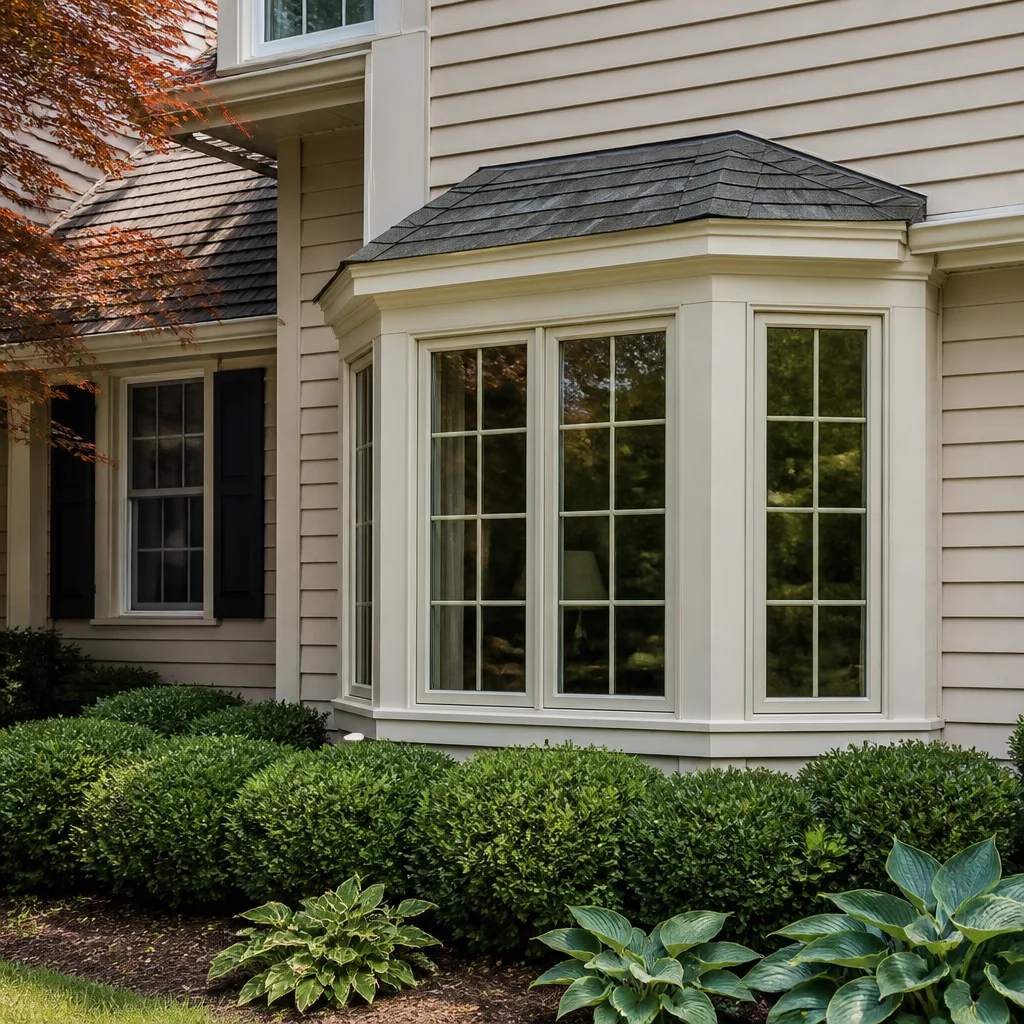 Bay & bow
 Entry doors
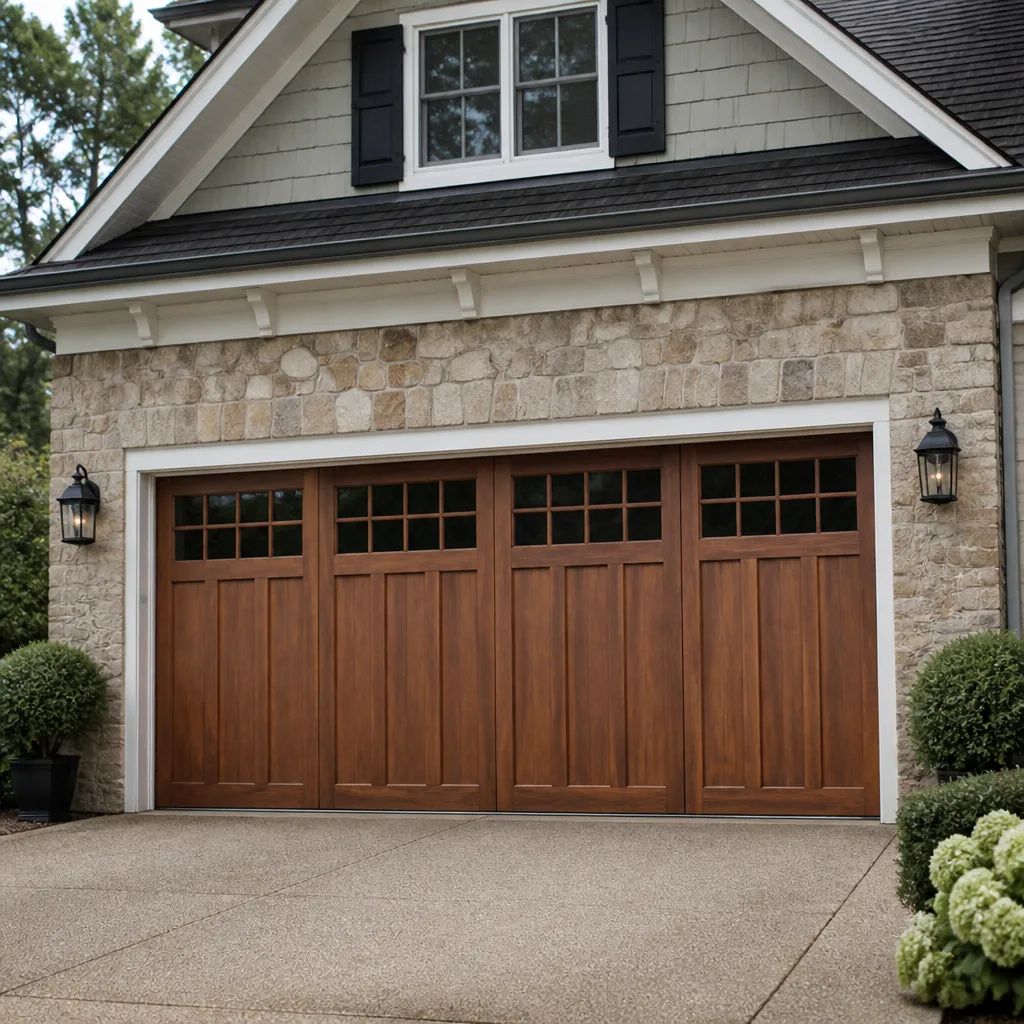 Impact garage doors
 PGT
PGT CGI
CGIFree in-home measure and quote - PGT, CGI and CWS impact lines compared on your actual openings, style by style
Get your free estimateWindows & Doors Warning Signs: A Santa Clarita Homeowner’s Reference Guide
Most warning-sign articles tell you a draft means your weatherstripping is worn. That’s true in Ohio. In Santa Clarita, a draft on a west-facing window in August is usually a different animal than a draft on a north-facing window in January. The same symptom, two different mechanisms, two different price tags. This guide is built around that idea: symptom, location, season. We’ll walk through a full symptom index organized by where the problem lives (frame, glass, hardware, sill, threshold), how to tell cosmetic trouble from structural trouble, and the exact words to say when you call a contractor so you don’t pay for a full-frame replacement when a $60 roller assembly was the real fix. This is written for Santa Clarita homeowners specifically, because our sun, our stucco, our hillside soil, and our hot-cold daily swings create failure patterns you won’t see in The Complete Guide to Windows & Doors in Santa Clarita or any generic guide.
Quick Answer
In Santa Clarita, the most common window and door warning signs are: a window that fogs between the glass panes (dead thermal seal, not broken glass), a door that suddenly drags or sticks in summer (frame or soil movement), a window that no longer stays up without a prop (failed sash balance), caulk pulling away from stucco around the frame (thermal expansion gap), and unexplained dust lines or light visible around a closed door (worn threshold gasket). Most of these are repairable without replacing the entire window or door, and the first step is documenting exactly where and when the symptom appears.
Styles & brands we work with
Table of Contents
- The Symptom Index: Find Your Problem by Location
- Glass Problems vs. Frame Problems in Santa Clarita
- Cosmetic or Structural? How to Tell the Difference
- Santa Clarita-Specific Warning Signs You Won’t See in Generic Guides
- The “Describe This to Your Contractor” Script for Every Major Symptom
- Emergency Call vs. Scheduled Appointment
- What You Can Do Overnight (Safely) While Waiting for a Crew
- Common Mistakes to Avoid
- When to Call a Professional
- Frequently Asked Questions
The Symptom Index: Find Your Problem by Location
Before we get into Santa Clarita-specific failure patterns, start here or browse more guides & resources. This index is organized by where the problem shows up. Find your symptom, confirm the likely cause, and note the section where we explain it in depth.
Glass Symptoms
- Fog or moisture between the panes – Dead insulated glass unit (IGU) seal. Any time of year, but most visible on cold mornings. Fixable without replacing the whole window. (See Glass vs. Frame section.)
- White haze or etching on the inside of the glass surface – Seal failure that has progressed. The desiccant inside the unit is saturated. Same fix as fog, but glass replacement is now the only option.
- A crack running from one edge in a straight line – Thermal stress crack, common on large west- or south-facing glass in Santa Clarita. Full glass replacement needed.
- A small chip or pit on the exterior surface – Impact damage, usually from gravel or a kicked-up rock. Cosmetic unless it spreads. Chip repair is sometimes possible; otherwise plan for glass replacement.
- Wavy or distorted reflection – Older annealed glass, not tempered. Not a failure, but worth understanding if you’re thinking about window replacement in Santa Clarita.
Frame Symptoms
- Visible gap between the frame and the stucco or drywall – Thermal expansion and contraction, or frame settling. Common on west-facing walls. (See Santa Clarita-Specific section.)
- Chalky residue when you rub a white vinyl frame – UV degradation of the vinyl surface. Common on south-facing windows in Santa Clarita after 8 – 12 years. Not structural, but it means the vinyl is losing its protective layer.
- Frame feels soft or spongy when pressed – Water intrusion in a wood frame, or a hollow vinyl extrusion that has lost internal support. Structural if it’s wood. (See Cosmetic or Structural section.)
- Discoloration at the bottom corners of the frame – Water staining, usually from failed sill drainage or clogged weep holes. Early stage of rot in wood frames.
- Frame is visibly bowed in the middle of a long run – Usually heat distortion in vinyl. Common on dark-colored frames in direct Santa Clarita sun.
Hardware Symptoms
- Window will not stay up when opened – Failed sash balance (the spring-loaded mechanism inside the frame). Repairable, usually under $100 parts and labor per window in this market.
- Crank handle spins without moving the sash – Stripped gear inside the crank mechanism. Replace the crank assembly, not the window.
- Lock does not engage or requires force – Alignment drift. Often fixable by adjusting the sash, not replacing hardware.
- Rollers grind or the slider feels heavy – Worn roller assembly, or debris in the track. Replacement rollers are the most common door hardware fix.
Sill and Threshold Symptoms
- Water pooling on the sill after rain – Clogged weep holes or failed sill dam. Clean the weeps first (a pipe cleaner works), then reassess.
- The threshold moves when you step on it – The seal beneath the threshold has compressed, or the substrate has settled. Common on hillside lots in Santa Clarita. (See Door Sag section.)
- Dust line on the interior floor along the bottom of the door – Failed or compressed door sweep. A $15 part in most cases.
- Daylight visible beneath a closed door – Threshold adjustment or sweep replacement needed. Same fix as above.
- Rust or corrosion on the sill of an aluminum or steel door – Older frames in Santa Clarita’s dry climate occasionally see this from irrigation overspray. Cosmetic unless pitting is deep.
Glass Problems vs. Frame Problems in Santa Clarita
A window that fogs between the panes in January isn’t broken glass. It’s a dead thermal seal. The glass isn’t cracked. The two sheets simply aren’t sealed as a unit anymore, so humid outside air works its way in, and the desiccant inside the spacer bar saturates and fails. The fix in most cases is replacing the insulated glass unit (the IGU), not the window. An IGU replacement runs roughly $200 – $450 per window in Santa Clarita depending on size and glass package. A full-frame replacement, by comparison, commonly runs $700 – $1,500 per opening for the window itself, before installation labor. The difference matters, and a homeowner who can describe the fog accurately over the phone saves a service call that ends in, “Oh, that’s just the seal.”
The distinction between glass issues and frame issues matters because the repair pathways and price tags are completely different. Glass replacements are common; frame replacements are bigger. In our experience in Santa Clarita, roughly 7 out of 10 fogged-glass calls are IGUs with healthy frames. The frame can stay. The glass gets swapped. That’s a one-day job with minimal interior disruption. A full window installation in Santa Clarita is a different project with different pricing.
How to Test Which One You Have
- Look at the fog. If it is between the two panes of glass and you cannot wipe it away from either side, it is an IGU seal failure. The glass is the problem, and the fix is glass replacement.
- Push gently on the glass from the inside. If the glass moves within the frame or the frame flexes, the frame is the issue, not the glass.
- Check the window corners. If the frame corner has separated or the sash doesn’t sit squarely in the frame, call a pro. This is a frame or installation issue.
- Check your home’s age. Homes built in the 1990s and early 2000s in Santa Clarita neighborhoods like Valencia, Saugus, and Canyon Country often have builder-grade aluminum windows. The glass may be fine. The frame might be the weak link. A 25-year-old aluminum frame in direct sun is more likely to be the source of a poor seal than the glass itself.
One more Santa Clarita note: low-E coatings break down differently here than in coastal climates. Our arid, high-UV conditions stress the coating from the outside in. If you see a faint rainbow pattern or cloudy appearance on the interior side of the glass, that’s the low-E coating starting to oxidize. It isn’t cleanable. It’s the beginning of the end for that IGU, and you should plan to address it within a year or two before the fog appears.
Cosmetic or Structural? How to Tell the Difference
The most expensive mistake a Santa Clarita homeowner can make is treating a structural symptom as cosmetic and letting it ride, or treating a cosmetic blemish as structural and overspending. Here’s how to sort them out.
Cosmetic Symptoms – Usually Fine to Monitor
- Small hairline cracks in stucco radiating from a window corner – These are usually shrinkage cracks in the stucco, not frame movement. If the crack is hairline-thin (less than 1/16 inch) and doesn’t widen over two seasons, it’s cosmetic. Keep an eye on it.
- Faded frame finish – UV fading on a south-facing window is cosmetic. The structural integrity of the frame is typically unaffected.
- Surface scratches on glass – Cosmetic. Unless the scratch is deep enough to compromise the glass, it doesn’t need replacement.
- Minor condensation on the interior surface of the glass on cold mornings – This is normal, especially in Santa Clarita’s cold December and January mornings. It forms on the room side, not between the panes. If you can wipe it away with a finger, it’s not a seal failure.
Structural Symptoms – Act on These
- A crack that runs through the window frame itself – This indicates frame movement, possibly from foundation settlement or thermal stress. It needs professional evaluation.
- A gap between the window frame and the wall that changes width seasonally – If the gap opens in summer and closes in winter, the building envelope is moving. On hillside lots in Santa Clarita, this can indicate soil movement. (See the Door Sag section below.)
- Water staining on interior drywall around a window – Never cosmetic. Water has found a path. The source needs to be found and fixed before the leak grows.
- A door that no longer latches or that binds mid-swing – The frame has moved. On a standard interior door this is a hinge adjustment. On an exterior door, it may indicate structural settlement.
- Glass that cracks spontaneously, with no impact – Thermal stress cracking in a large south-facing pane, especially if the window has a dark frame or dark interior shading. This will recur until the glass or the glazing configuration changes.
Here’s a practical rule of thumb from our team: if a symptom is visible and stable, it’s usually cosmetic. If a symptom is changing, growing, or interfering with how a window or door operates, it’s structural until proven otherwise. Take a photo every season and compare. Santa Clarita’s dry climate slows some failures (wood rot is less aggressive here than in humid climates), but our extreme summer heat accelerates others (thermal expansion, UV degradation, frame distortion).
Santa Clarita-Specific Warning Signs You Won’t See in Generic Guides
Here’s where the local angle matters. Generic guides describe drafts and sticking. In Santa Clarita, the same symptoms have different root causes based on where you live within the valley, what direction your windows face, and how old the home is.
UV-Bleached Vinyl That Has Become Brittle
Santa Clarita averages 280+ sunny days a year with summer temperatures regularly exceeding 95°F and occasionally hitting 110°F. Sunlight here isn’t just bright; it’s intense. Vinyl windows on south-facing and west-facing walls take direct UV for 6 – 10 hours a day. Over 10 – 15 years, that exposure breaks down the UV stabilizers in the vinyl. The first sign is chalky residue when you rub the frame. The second sign is brittleness: the frame corner may crack when a technician removes a sash, or a screw hole may strip where it once held firmly. A bleached, brittle vinyl frame on a 15-year-old south-facing window is not a repair candidate. It’s a replacement candidate. And here’s the part generic guides miss: the same age window on the north side of the same house might be fine. You don’t need to replace all of them just because one elevation failed. This is where a contractor’s walk-through matters: we look at each elevation separately because Santa Clarita treats each orientation differently.
Stucco-to-Frame Gaps That Open in Summer
Wood studs, stucco, vinyl, and aluminum all expand and contract at different rates. In a climate with modest temperature swings, the differences are small. In Santa Clarita, a day might swing 40 degrees from morning to afternoon, and a season might swing 70 degrees. The stucco around a window expands outward in summer heat. The window frame, if it’s vinyl, expands more than the stucco. The result is a hairline gap that appears around the frame in July and closes by January. This is normal thermal movement, not foundation failure. But here’s the risk: if water gets into that gap during winter rains, it can wick into the wall cavity and cause damage you won’t see until years later, when the drywall stains appear. The fix isn’t just caulking the gap every summer. It’s understanding that the sealant needs to be a high-quality elastomeric product that can stretch and recover with the movement. Cheap painter’s caulk hardens and cracks. A proper window-and-door sealant moves with the materials and lasts years. We regularly see Santa Clarita homes where someone caulked the window perimeter with the wrong product, and it failed within one season.
Door Sag Caused by Soil Settlement on Hillside Lots
Santa Clarita is hill country. Neighborhoods in Saugus, Canyon Country, and the hills around Valencia are built on slopes and compacted fill. Over years, that fill can settle a fraction of an inch. The slab moves. The door frame doesn’t. Suddenly an exterior door that closed cleanly for a decade now binds at the top corner, or the latch no longer lines up with the strike plate. The first instinct is to plane the door. That’s treating the symptom. The better first step is to check whether the slab has settled by looking at the threshold, the stucco around the door, and whether the gap between the door and frame is even on all sides. If the gap is wide at the bottom on the hinge side and tight at the top on the latch side, the frame has racked. This isn’t a door problem. It’s a structural movement problem, and the fix may involve re-hanging the door, adjusting the frame, or in more serious cases addressing the settling. We’ve seen sagging doors in hillside Santa Clarita homes where a simple re-hang buys five to ten more years. We’ve also seen cases where the soil movement is ongoing and the only long-term fix is a more serious structural evaluation. We’ll tell you which path you’re on, and we’ll put the recommendation in writing.
Weep Hole Blockage From Santa Clarita’s Dry Dust
Weep holes are the tiny drainage slits on the exterior bottom edge of a window frame. In rainy climates, the enemy is leaves and pine needles. In Santa Clarita, it’s fine dust and spiderwebs. Dry, dusty air plus the occasional rain creates a paste that clogs the weeps. When the weeps clog, water that would normally drain out of the frame finds another path: inward. The result is water pooling in the track interior or streaking down the drywall. The fix is surprisingly simple: clear the weep holes with a pipe cleaner or small wire. But the reason most homeowners miss it is that in a dry climate, months pass between rains, so they forget to check. A good habit for Santa Clarita homeowners: run a pipe cleaner through every exterior weep hole once a year, in October, before the winter rain season. It takes five minutes and costs nothing.
Thermal Stress Cracks on Large South- and West-Facing Glass
When a big pane of glass absorbs intense sun on one side while the shaded edge stays cooler, the temperature differential creates internal stress. If the pane is tempered, it’s designed to handle it. If it’s annealed (standard) glass, eventually the stress overwhelms the material and a crack runs from the edge straight across the pane. Santa Clarita gets more of these than most markets because we have the heat load, the clear sky, and the big view windows people put on their south-facing walls. The tell-tale sign is a crack with no visible impact point: no chip, no star pattern, just a line running from an edge. Once it happens, the repair is the same as any broken pane: glass replacement. But if you’re replacing the glass in a window that already thermally cracked once, consider moving to tempered or laminated glass on that elevation. Otherwise, you may be replacing it again in a few years.
The “Describe This to Your Contractor” Script for Every Major Symptom
When you call a contractor, the quality of the information you give determines whether the phone estimate is accurate or whether you burn a service-call fee for a 10-minute diagnosis. Here are the exact scripts we wish every homeowner would use, organized by symptom, before deciding on DIY vs Professional Windows & Doors help. Each one follows the same format: what you see, where it is, when it happens, and what you’ve tried.
Foggy or Condensed Window
- What you see: “There is fog or moisture trapped between the two panes of glass. I can’t wipe it from either side.”
- Where it is: “It’s the master bedroom window on the south side of the house. It’s about 4 feet by 5 feet.”
- When it happens: “It’s worse on cold mornings and sometimes clears partway by afternoon.”
- What you’ve tried: “I haven’t tried anything. It’s inside the unit.”
This description tells us it’s a failed IGU, not a surface condensation issue. We can price the glass replacement over the phone in many cases, or at least give you a tight range before we come out.
Window Won’t Stay Up
- What you see: “The window opens fine, but it slowly sinks back down when I let go. I have to prop it open.”
- Where it is: “It’s a double-hung window in the living room, east-facing, about 3 feet wide.”
- When it happens: “It started a few months ago and has gotten worse.”
- What you’ve tried: “I haven’t tried anything. I’ve just been propping it.”
This is a sash balance failure. We know the fix is likely a replacement balance, and we can give you a ballpark on the phone. No need for a full window replacement quote unless the window is old enough that other parts are failing too.
Door That Binds or Won’t Latch
- What you see: “The front door rubs against the frame at the top corner. The latch doesn’t line up with the strike plate anymore. I have to lift the handle to get it to catch.”
- Where it is: “It’s the front entry door. The house is on a hillside in Saugus.”
- When it happens: “It got worse over the last year. Some days it’s worse than others.”
- What you’ve tried: “I tightened the hinge screws. It helped a little but didn’t fix it.”
This tells us the door frame has likely shifted, and the hillside location points toward settlement. We know to bring trim-level evaluation tools, not just a hinge wrench. The fact that you tightened hinges and it didn’t resolve the problem is useful; it means the issue is frame movement, not loose hardware.
Gap Between Window Frame and Stucco
- What you see: “There’s a gap between the exterior window frame and the stucco. It’s wide enough to get a fingernail into.”
- Where it is: “It’s on the three west-facing windows on the second floor.”
- When it happens: “I noticed it in July. I haven’t checked in winter yet.”
- What you’ve tried: “Nothing yet. I wasn’t sure if it was normal.”
This is a thermal expansion gap, and the west-facing detail confirms it. We’d recommend checking it in January to see if it closes. Either way, the fix is an elastomeric sealant, and we’d want to inspect around the entire perimeter to make sure there’s no water staining inside the wall before we seal it.
Emergency Call vs. Scheduled Appointment
Not every warning sign needs a crew dispatched that day. Here’s how to sort urgency. The rule of thumb: if water is actively entering the home, or the home can’t be secured, it’s an emergency. Everything else is schedulable.
Emergency: Call Immediately
- Water actively entering around a window or door during rain – This is the big one. Water intrusion can damage drywall, insulation, and flooring within hours. This is an emergency in Santa Clarita’s rain season, which runs November through March.
- A door or window that will not close or lock – Security issue. If you can’t secure your home, call now.
- Shattered glass with shards falling or accessible to kids or pets – Safety issue. Board it up now, replace soon.
- A cracked pane in a window over a walkway, driveway, or child play area – The pane could fail further. Treat as urgent.
Scheduled: Book a Standard Appointment
- Fogged glass between panes – It’s ugly and getting worse, but it isn’t leaking and it isn’t dangerous. A regular appointment is fine.
- Window that won’t stay open – Inconvenient but not an emergency unless it falls and creates a safety hazard.
- Chalky or brittle vinyl frames – A replacement project, not an emergency. Plan for it.
- Door that binds but still closes and locks – Schedulable. Note whether it’s worsening.
- Stucco-to-frame gaps without active water intrusion – Schedulable. Take a photo and note the season. It will help the technician.
While you wait for a scheduled appointment, document the symptoms. Take photos in morning and afternoon light. Note which season it is and what the temperature was. A symptom that appeared in July and a symptom that appeared in January tell different stories, and having that context shortens the diagnosis time when the technician arrives.
What You Can Do Overnight (Safely) While Waiting for a Crew
If you called and booked a service visit, here’s what you can do in the meantime. None of these are permanent fixes. Each is a stopgap that prevents further damage or discomfort without risking injury or making the eventual repair harder.
For a Door Draft (Air or Water Moving Under the Door)
- Roll a bath towel tightly and place it along the bottom of the door on the interior side. It forms a temporary seal. Replace it if it gets wet.
- If the draft is at the sides or top, use 2-inch-wide weatherstrip tape. Apply it to the door stop, not the door itself. It peels off cleanly later.
- If you suspect the draft is from a broken threshold gasket, don’t replace it yourself. The threshold may be load-bearing. Let the technician handle it.
For a Window Draft
- Apply removable window film or clear plastic sheeting over the interior of the window for winter drafts. It creates an insulating air gap. It’s temporary and removes cleanly.
- If the draft is at the meeting rail on a double-hung window, close the window fully and engage the lock. The lock pulls the sashes together. It may close the gap enough to help.
- Don’t wedge anything between the sash and the frame. You can damage the frame or the weatherstripping, turning a $30 repair into a $300 one.
For a Fogged Window
- Reduce interior humidity in the short term. Run a dehumidifier in the room. It won’t fix the dead seal, but it reduces surface condensation that can streak and stain.
- Don’t use a heat gun or hairdryer on the glass. The thermal stress can crack the pane.
- Schedule the IGU replacement when it’s convenient. A fogged window isn’t an emergency, but it isn’t going to self-heal.
Safety Notes for Santa Clarita-Specific Conditions
Two notes that apply here more than in most climates. First, if you’re using a space heater near a fogged or stressed window, keep the heater at least three feet from the glass. Our cold winter mornings plus a space heater blasting directly on a compromised pane can trigger a thermal crack. Second, if you’re hoping to replace weatherstripping yourself on a second-story window, don’t. Working from a ladder on a stucco wall is a job for a pro with the right equipment. We regularly see homeowners turn a small repair into a fall risk. Call us at (661) 430-5327. We’d rather talk it through on the phone than see someone hurt.
Common Mistakes to Avoid
- Replacing a whole window for a dead glass seal. This is the most expensive mistake we see in Santa Clarita. An IGU replacement is often one-third to half the cost of a full-frame replacement. Get a second opinion before you approve a full replacement for fogged glass.
- Caulking over a moving gap without addressing the movement. If a stucco-to-frame gap is caused by seasonal expansion, caulking it with rigid product just moves the crack to a new spot. It doesn’t solve the envelope breach.
- Ignoring a door that gets progressively harder to close. In hillside Santa Clarita, door bind that worsens over time can signal ongoing soil movement. The longer it goes, the more involved the fix.
- Treating every symptom as a DIY weekend project. Window hardware, especially sash balances on older wood windows and spring-loaded mechanisms, can be dangerous to service without training. We’ve seen broken fingers from home repairs that went wrong.
- Assuming all windows fail at the same rate regardless of orientation. In Santa Clarita, south and west elevations fail years earlier than north and east. Don’t replace north-facing windows that are still in good shape just because the south side needs work.
- Waiting until the rainy season to address water intrusion symptoms. By November, every contractor in Santa Clarita is booked for roof and window leaks. The best time to address a window leak is in August or September, when you can watch it, diagnose it, and repair it in dry weather.
- Describing the problem as “the window is broken” without details. That phrase tells a contractor nothing useful. Use the scripts above. A good phone description saves a service call and usually saves you money.
When to Call a Professional
Call when you see water, when you see movement, or when the symptom changes. Water inside the home is always a professional visit. Movement, whether seasonal gaps, shifting door frames, or a window that suddenly operates differently, is a professional visit. Anything involving lifting a heavy sash, working from a ladder, or touching installed glass is a professional visit. If you’re uncertain, learn how to hire a windows and doors contractor in Santa Clarita or call Lightwell Windows Santa Clarita at (661) 430-5327. We offer free estimates throughout Santa Clarita, Valencia, Saugus, and Canyon Country. Describe what you see, and we’ll tell you over the phone whether it’s a same-week visit or something to monitor. We’d rather spend ten minutes on the phone saving you a service call than charge you for a visit that ends with “that’s normal in this climate.”
Frequently Asked Questions
Replacing a failed insulated glass unit in Santa Clarita typically runs $200 – $450 per window depending on size and glass package. Full window replacement is more, usually $700 – $1,500 per opening. Fogged glass alone rarely requires full replacement. Call (661) 430-5327 for a written estimate on your specific window.
A gap that opens in summer and closes in winter is normal thermal expansion in Santa Clarita. A gap that stays open year-round, or that widens each year, is not normal and should be evaluated. Take quarterly photos with a penny for scale so you can see if it’s growing.
No. Once the seal between the glass panes has failed, the insulated glass unit must be replaced. Clean-and-reseal services exist but are temporary, rarely warranty-backed, and do not restore the original thermal performance. Replacement is the only durable fix.
In Santa Clarita, sudden door binding usually means one of three things: the hinges have loosened, the frame has moved from thermal expansion, or the slab has settled. Tighten the hinge screws first. If that doesn’t help, call for an evaluation. On hillside lots, ongoing binding can indicate soil movement.
Don’t wait. A crack in a window facing daily sun will propagate. Thermal stress cracks grow quickly in Santa Clarita’s heat, and a cracked pane over a walkway or play area is a safety hazard. Call (661) 430-5327 and we’ll assess whether the pane alone can be replaced or if the window needs it.
Permit requirements in Santa Clarita depend on the scope. Glass-only replacements typically don’t require a permit. Full-frame replacements and structural work often do. We’ll tell you what your job requires and handle it. We’d rather do the paperwork than leave you with an unpermitted modification that complicates a future home sale.
The Bottom Line
Our advice, boiled down: identify the exact symptom, note which side of the house it’s on, and document what season it appears. When it comes to Santa Clarita windows and doors, the same symptom on a south-facing window and a north-facing window often has different causes. Fog between the panes is a dead seal, not broken glass. A gap around the frame in July is usually thermal expansion, not foundation failure. A door that suddenly binds on a hillside home is often soil settlement, not a warped slab. The right diagnosis determines the right repair, and the right repair is often smaller and cheaper than the worst-case scenario. When you’re ready for someone to take a look, call Lightwell Windows Santa Clarita at (661) 430-5327. We’ll give you a written price before any work starts, and if something isn’t right after the job, our 365-Day Done Right Promise means we make it right. Keith Yamada leads our team, and you can visit us at our Lightwell Windows Santa Clarita home page to learn more about who we are and how we work.
Written by Keith Yamada, Owner at Lightwell Windows Santa Clarita, serving Santa Clarita since 2010.
See the difference
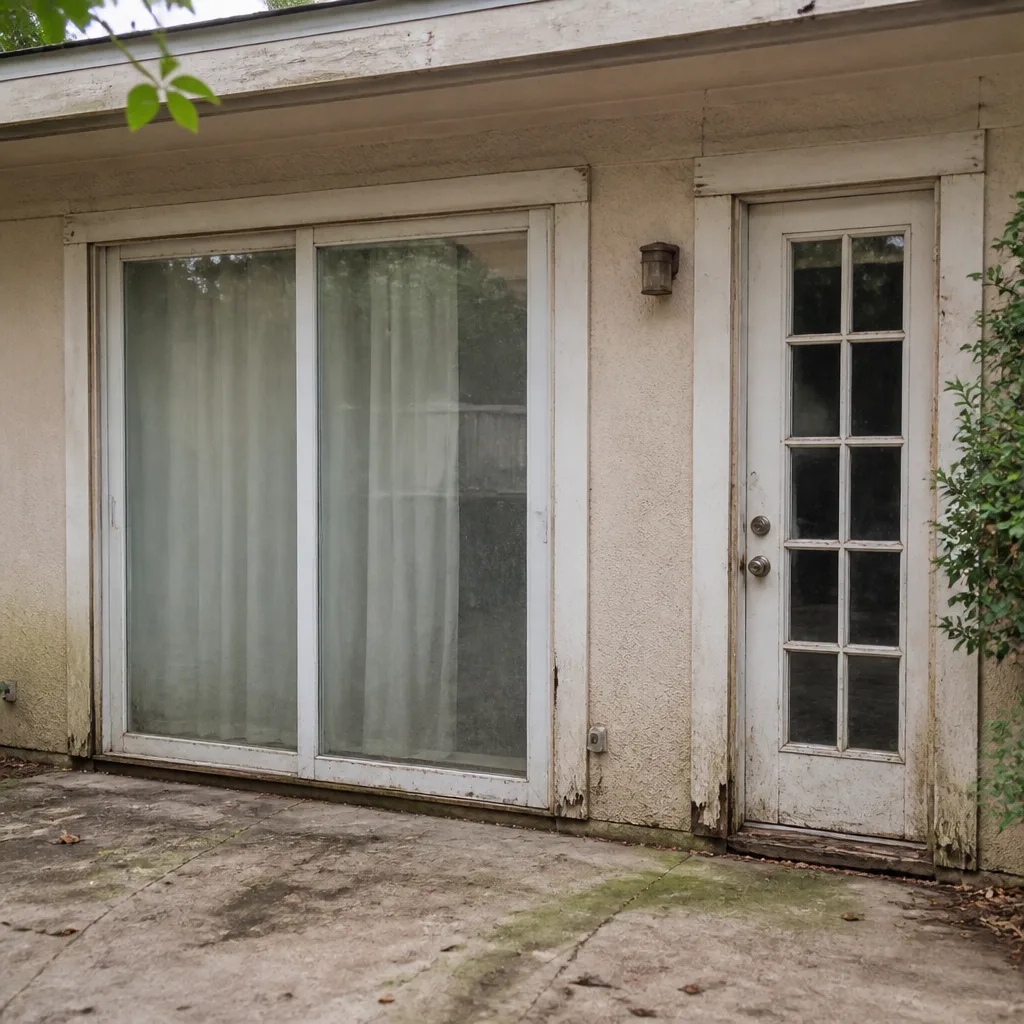 Before
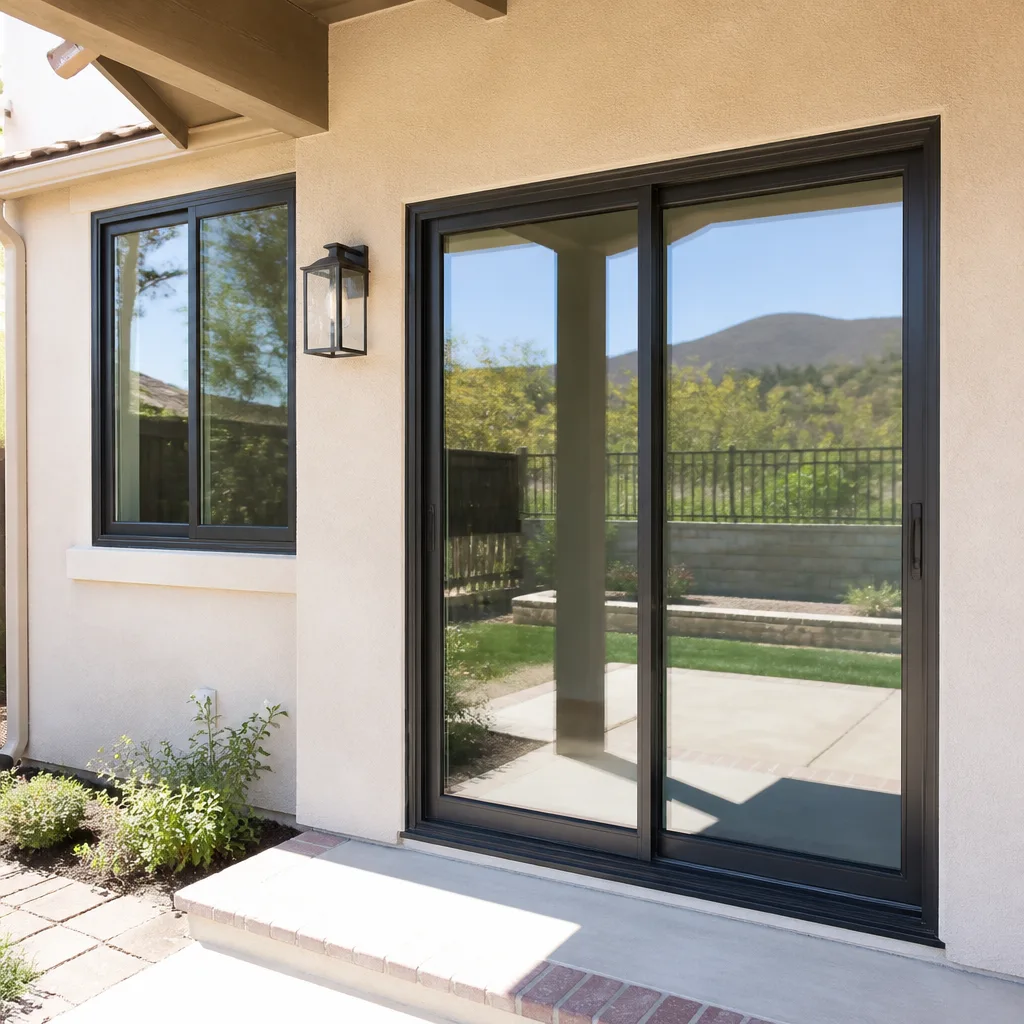 After
After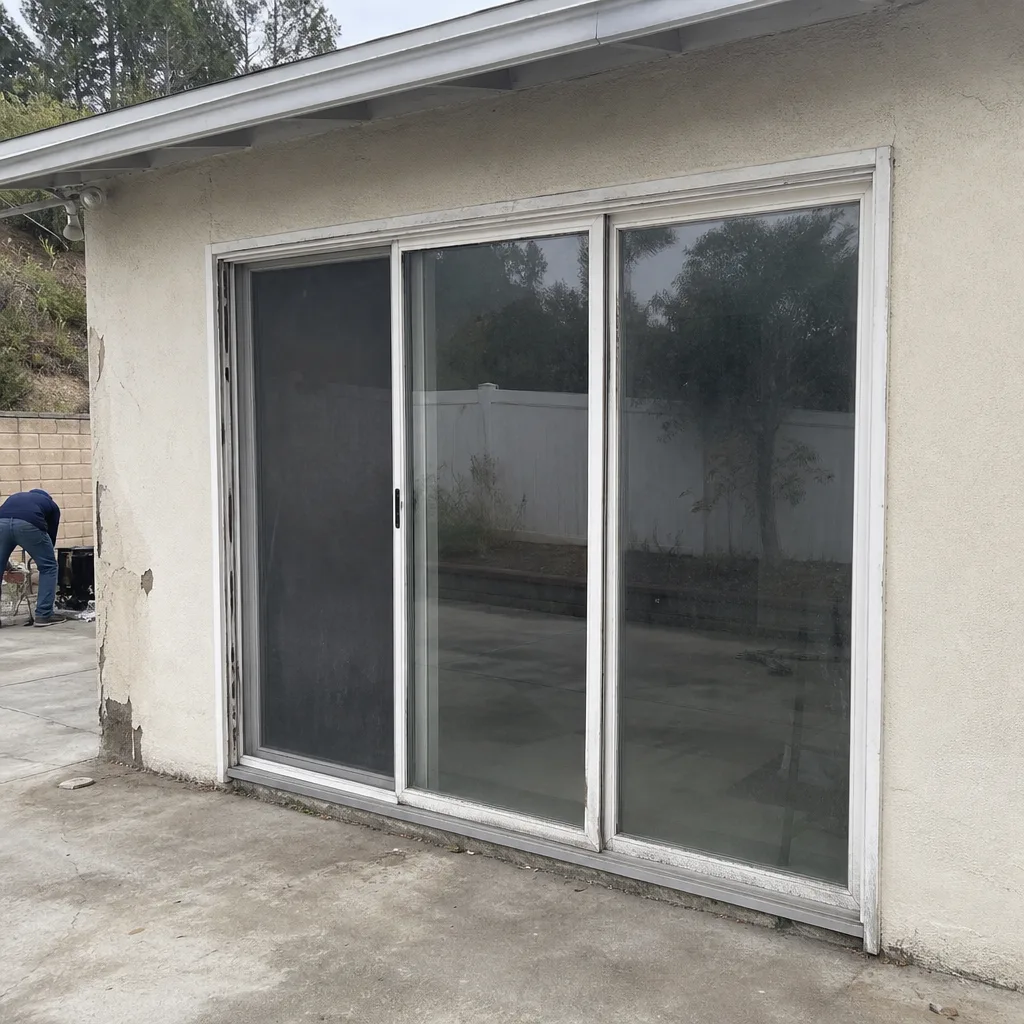 Before
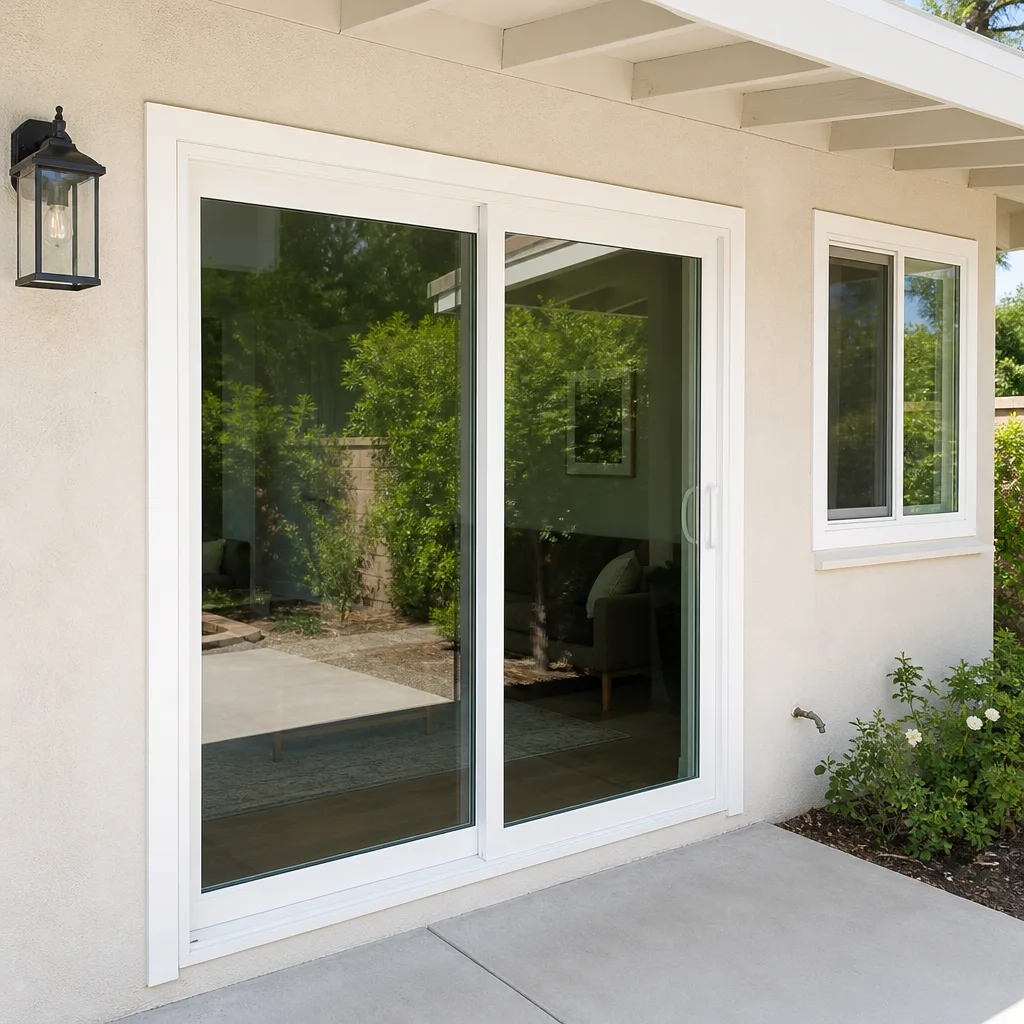 After
After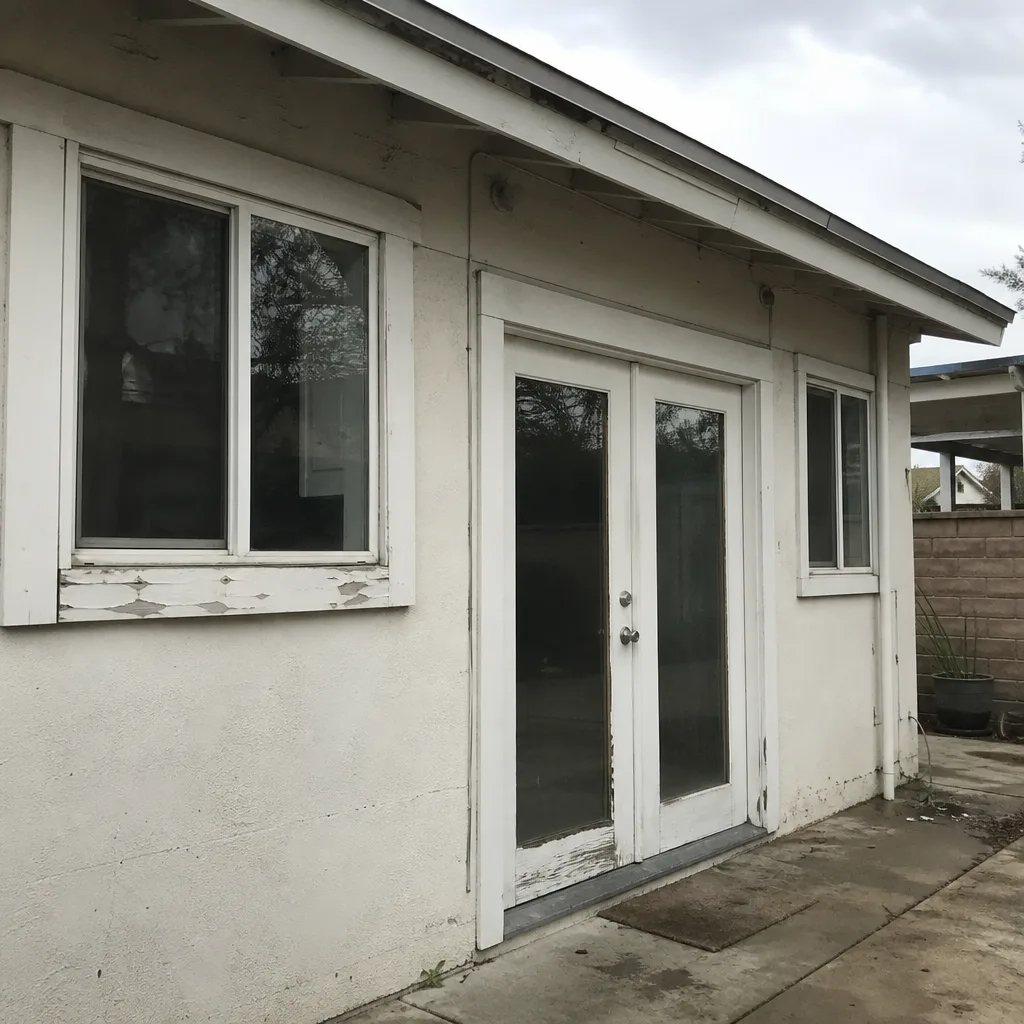 Before
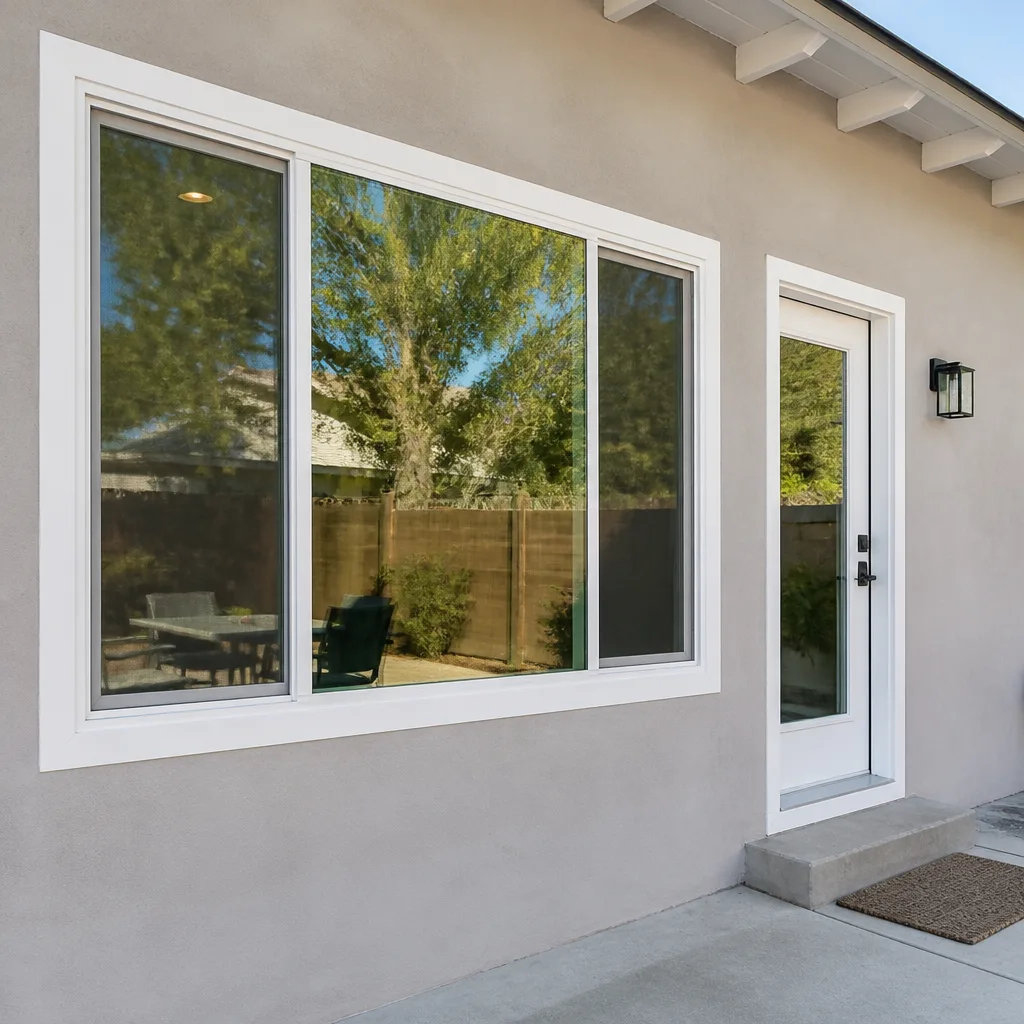 After
AfterSix Reasons Homeowners Choose Lightwell Windows Santa Clarita
Laminated glass and reinforced frames hold up to wind-driven rain, hail and flying debris, so your openings stay sealed when the weather turns.
Low-E insulated impact glass from our manufacturer lines commonly cuts monthly cooling bills 20-30%.
Laminated impact glass shuts out up to 40% of outside noise - traffic, neighbors, weather.
Monitoring services run $30-90 a month. Laminated impact glass resists forced entry around the clock, with no subscription.
Tighter seals and insulated glass even out hot and cold rooms and stop the drafts at the frame.
A full impact package upgrades curb appeal, buyer confidence and appraised value in one project.